 English
 Español
 العربية
Corrosion-Resistant Submersible Pump for for Heavy-Duty Applications
The Corrosion-Resistant Submersible Pump is a robust and durable solution engineered for demanding...
See Details


Wastewater management is a key part of urban and industrial infrastructure. From residential buildings to manufacturing plants, systems are needed to move sewage safely and consistently through pipelines and treatment stations. A Sewage Pump Factory is where these pumping systems are designed, assembled, and tested before being used in real environments.
Instead of focusing only on individual components, a Sewage Pump Factory works with full system design to ensure pumps can handle different flow conditions and waste types.
The production process begins with selecting materials that can handle corrosive and abrasive conditions. Cast iron, stainless steel, and engineered alloys are commonly used depending on application requirements.
Inside a Sewage Pump Factory, engineers evaluate material thickness, corrosion resistance, and mechanical strength before production begins. Pump casings and impellers are designed to handle solid particles without clogging or excessive wear.
Sealing systems are also an important part of design. Mechanical seals and gaskets are chosen based on pressure levels and wastewater composition.
Once design specifications are finalized, manufacturing moves to casting and machining. Pump housings are shaped using molds, followed by precision machining to ensure proper alignment of internal components.
A Sewage Pump Factory typically uses CNC equipment to refine impellers and shafts. This helps maintain consistent rotation and reduces imbalance during operation.
Each part is inspected before assembly to reduce the chance of misalignment or internal friction once the pump is in use.
After individual components are prepared, assembly begins. Motor units, impellers, seals, and housings are combined into a complete pumping system.
In a Sewage Pump Factory, assembly lines are organized to separate mechanical fitting from electrical integration. This allows technicians to focus on specific installation steps.
Wiring and motor connections are tested during assembly to confirm operational readiness before moving to final testing stages.
Before pumps leave the factory, they go through testing procedures that simulate working conditions. These tests may include flow rate measurement, pressure resistance, and continuous operation cycles.
A Sewage Pump Factory uses water tanks and controlled environments to evaluate how pumps handle different waste densities and flow loads.
Vibration and noise levels are also observed during testing. If irregular movement is detected, adjustments are made to internal alignment or balancing.
Sewage pumps are used in residential buildings, commercial complexes, industrial facilities, and municipal wastewater stations. They help transport waste from lower elevation points to treatment systems or main drainage pipelines.
Products from a Sewage Pump Factory are often selected for basement drainage, construction site water removal, and industrial waste handling systems.
Because usage environments vary, pumps are designed in different sizes and power ranges to match installation needs.
Regular maintenance helps maintain stable operation over time. Pump inspection typically includes checking seals, cleaning impellers, and monitoring motor temperature.
In a Sewage Pump Factory, design considerations often include ease of maintenance. This allows on-site technicians to access key parts without disassembling the entire system.
Proper installation also plays a role in reducing wear, especially in systems that operate continuously or handle heavy debris loads.
Wastewater movement depends on structured engineering and reliable mechanical systems. A Sewage Pump Factory plays a central role in producing equipment that supports drainage and treatment infrastructure across different environments.
From material selection to final testing, each stage contributes to how pumps perform in real-world applications, supporting consistent wastewater handling in modern infrastructure systems.
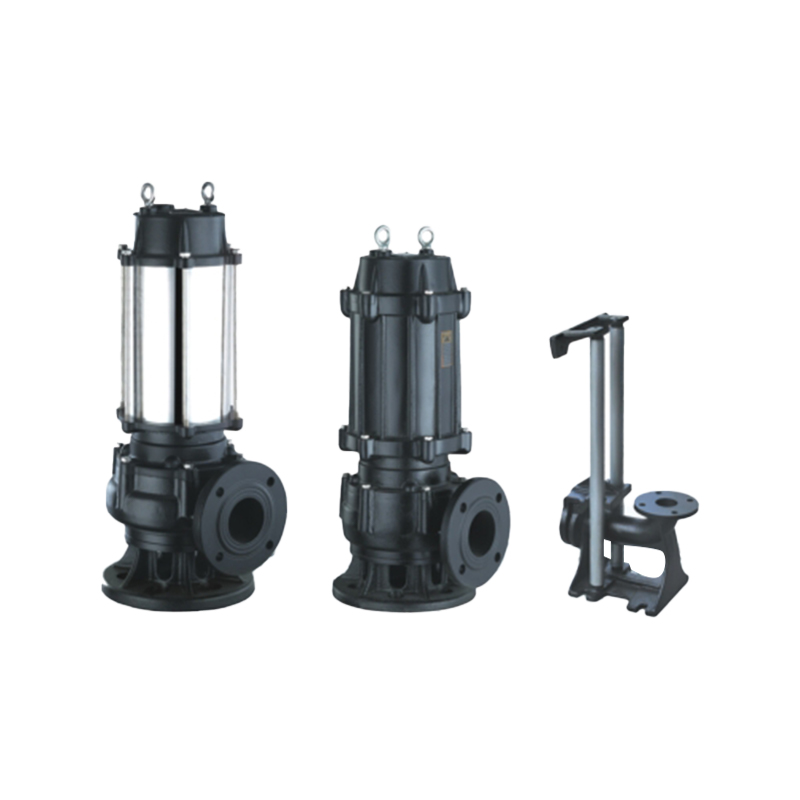
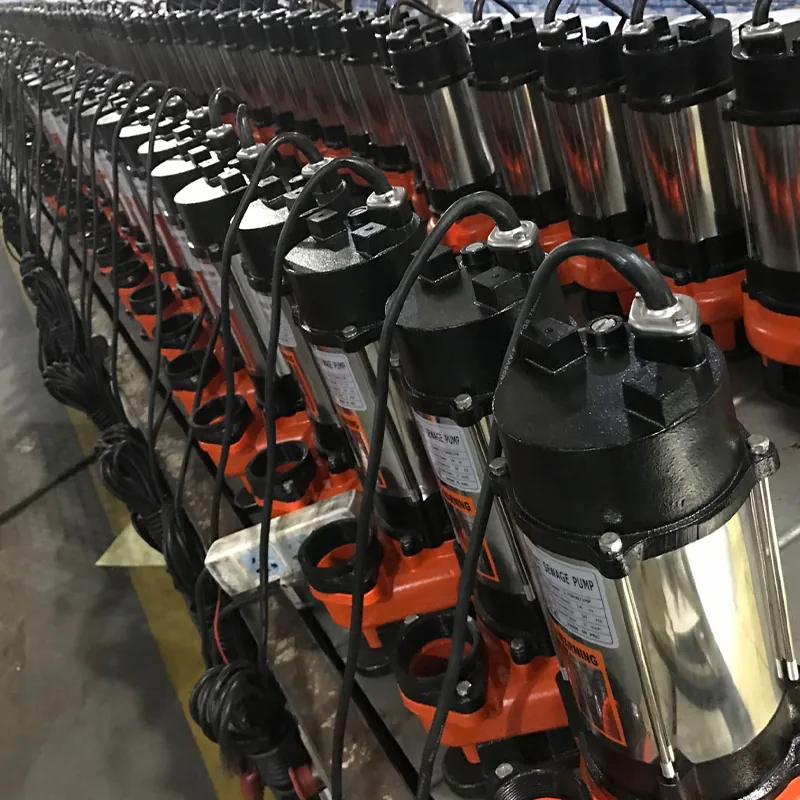
The Corrosion-Resistant Submersible Pump is a robust and durable solution engineered for demanding...
See Details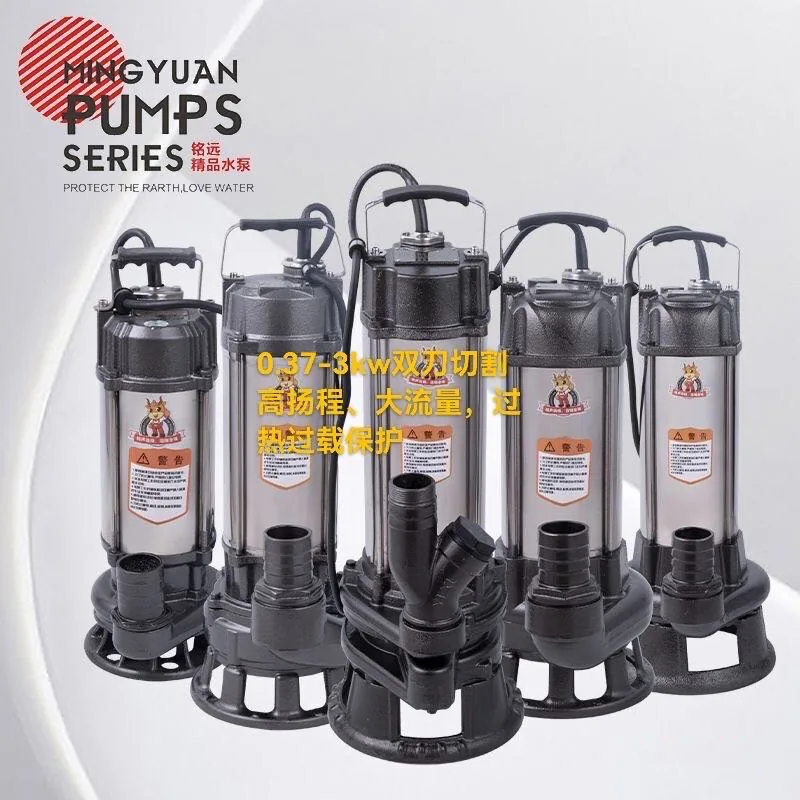
The Double Blade Cutting High Lift Overheat Protection Submersible Pump is an advanced solution...
See Details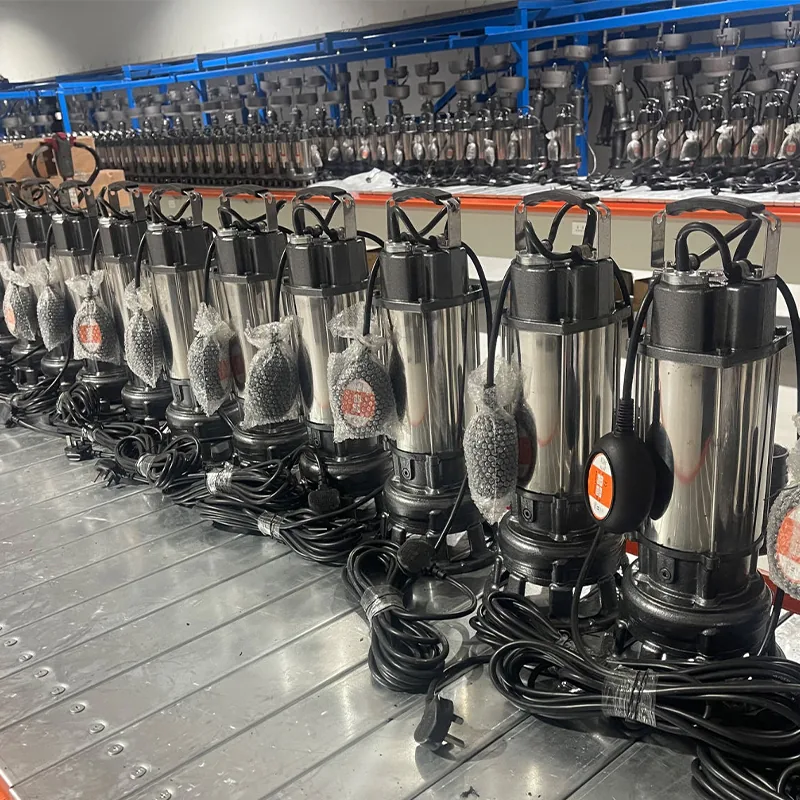
The Efficient High-Pressure Submersible Pump is a good solution engineered to meet the demanding...
See Details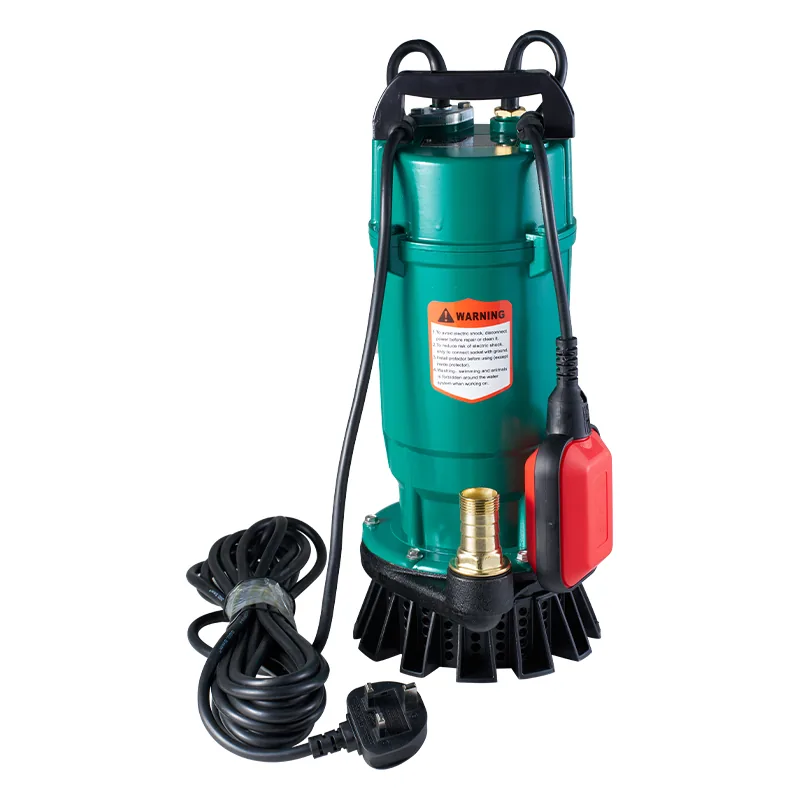
The Efficient Powerful Submersible Pump is a versatile and robust piece of equipment designed to...
See Details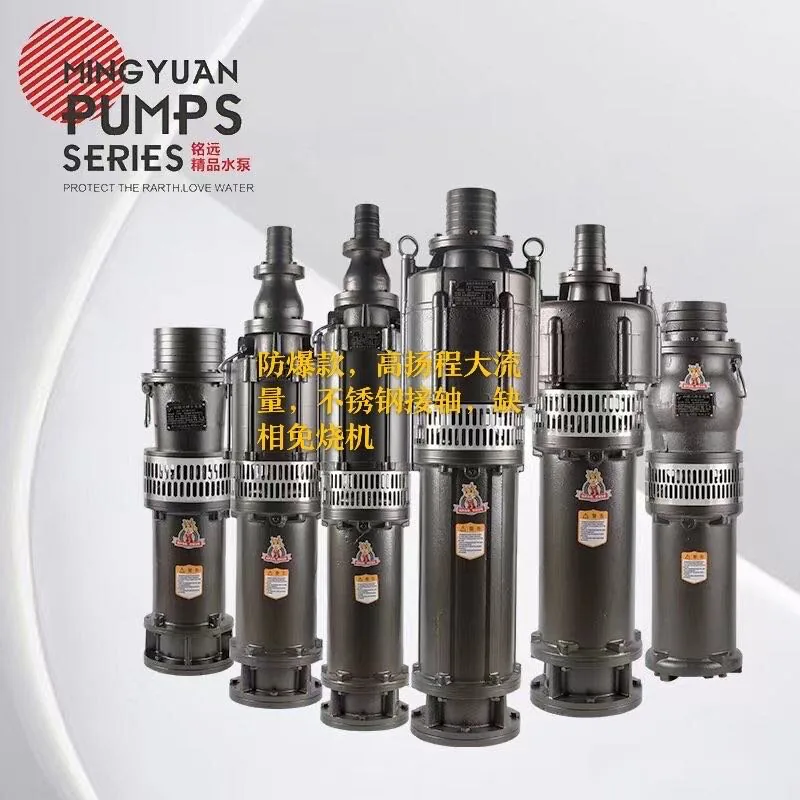
The Explosion-Proof Large Flow Phase-Loss Protection Submersible Pump is a robust and reliable...
See Details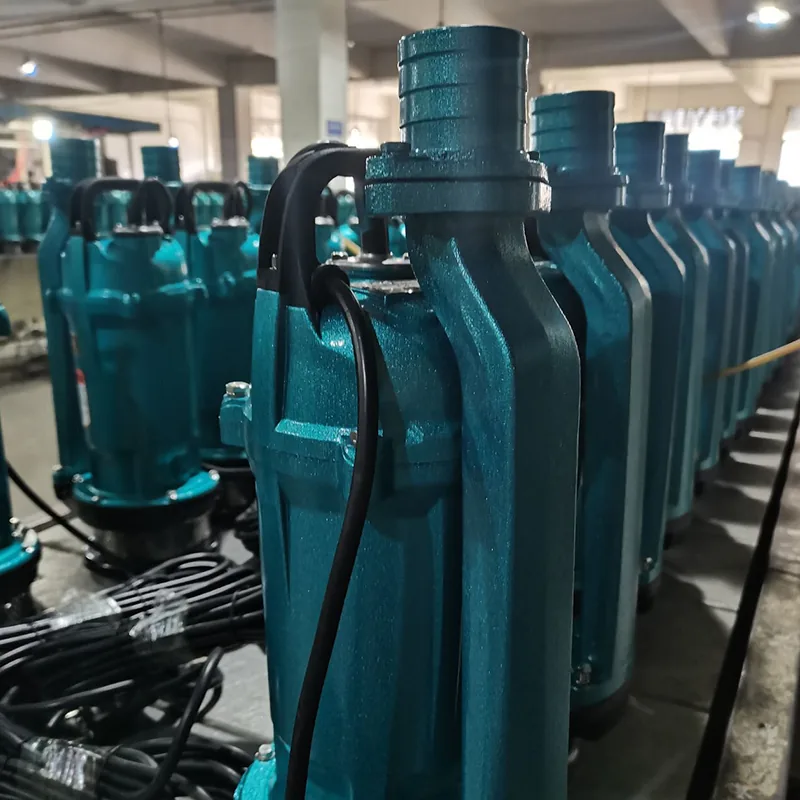
The Heavy-Duty Versatile Submersible Pump is engineered to meet the demanding needs of rural...
See Details