 English
 Español
 العربية
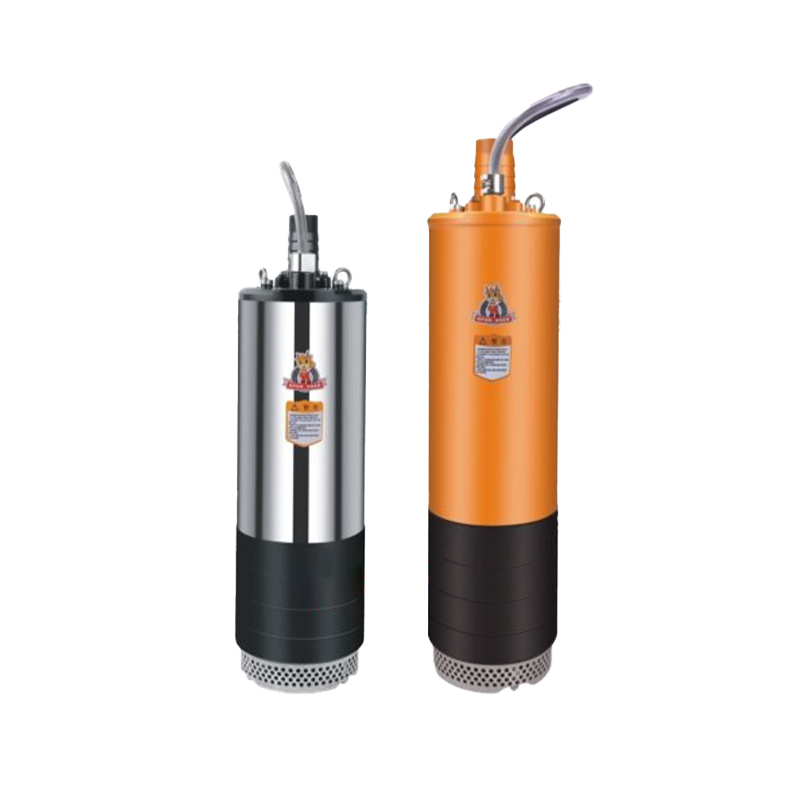
Corrosion-Resistant Submersible Pump for for Heavy-Duty Applications
The Corrosion-Resistant Submersible Pump is a robust and durable solution engineered for demanding...
See Details


Water movement systems are an essential part of agriculture, construction, and residential infrastructure. From irrigation fields to drainage systems, equipment used for fluid transfer plays a key role in maintaining stable operations. Among these systems, the Submersible Pump is widely used due to its ability to operate directly within water environments.
Unlike surface-based pumping systems, this equipment works while fully submerged, allowing direct interaction with the liquid being moved.
Water management requirements vary depending on the environment. Agricultural fields may require irrigation support, while construction sites often need groundwater removal. Residential areas may use pumps for drainage or emergency water control.
A Submersible Pump is commonly applied in:
Each use case involves different water depth and flow conditions, which influence pump selection.
The design of a submersible system allows the motor and pump body to operate underwater. This reduces the need for long suction pipes and helps maintain direct water intake.
In a Submersible Pump, key components usually include:
These parts work together to support continuous operation while submerged in liquid environments.
One advantage of submersible systems is their suitability for deep water extraction. Since the pump is placed inside the water source, it reduces distance-related pressure loss.
A Submersible Pump is often selected for wells, underground reservoirs, and deep drainage points where surface pumps may require additional suction support systems.
In many installations, placement depth is adjusted based on water level fluctuations and operational requirements.
Proper installation plays a role in how the system performs over time. Positioning, sealing, and cable protection are important factors when setting up underwater equipment.
A Submersible Pump typically requires:
Maintenance intervals depend on water quality and usage frequency. In areas with sediment or debris, cleaning may be required more often.
Energy consumption is an important consideration in continuous water transfer systems. Submersible designs reduce the need for additional suction mechanisms, which can simplify overall system layout.
A Submersible Pump is often integrated with control systems that regulate start-stop cycles based on water levels. This helps maintain steady operation without continuous manual monitoring.
In some installations, float switches or sensors are used to automate activation when water reaches a certain level.
Water management systems continue to evolve as industries expand their use of automated and efficient fluid transfer equipment. Submersible designs remain widely used due to their adaptability across different environments.
The Submersible Pump plays a consistent role in agriculture, construction, and residential water control applications. Its underwater operation method allows it to function in varied conditions while supporting practical water movement needs across multiple sectors. In modern supply chains, MINGYUAN continues to support this equipment category with application-focused solutions for different working environments. Many users also choose it for long-term drainage projects in rural and urban areas where stable water handling is required across seasons and changing conditions.
The Corrosion-Resistant Submersible Pump is a robust and durable solution engineered for demanding...
See Details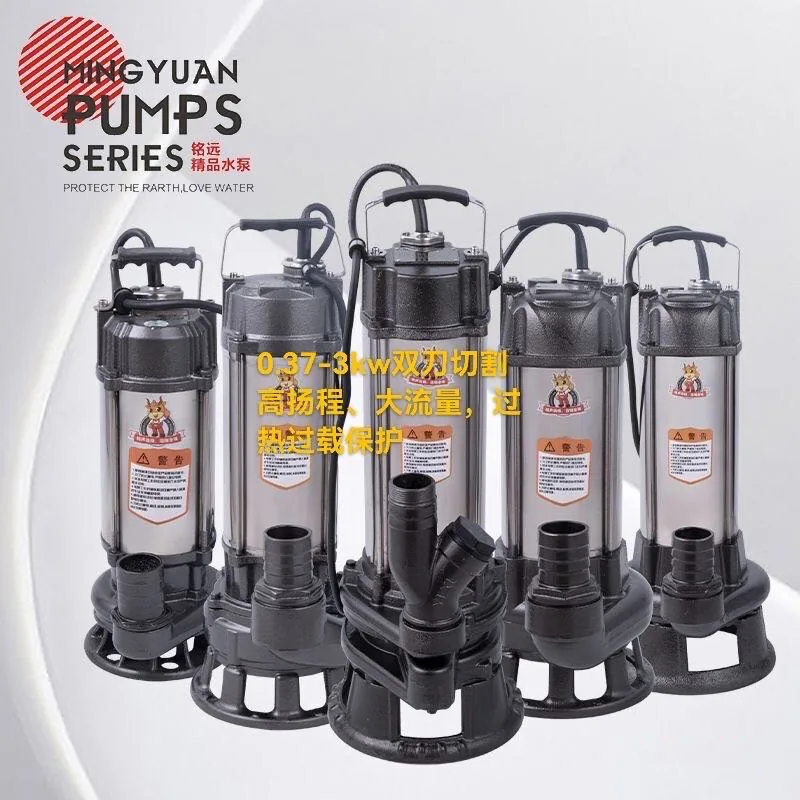
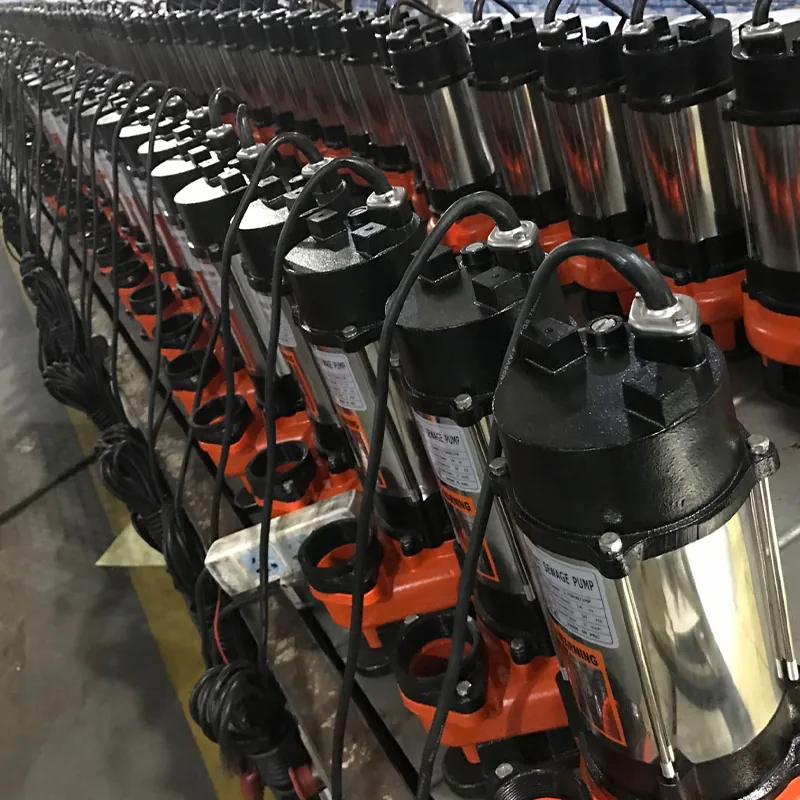
The Double Blade Cutting High Lift Overheat Protection Submersible Pump is an advanced solution...
See Details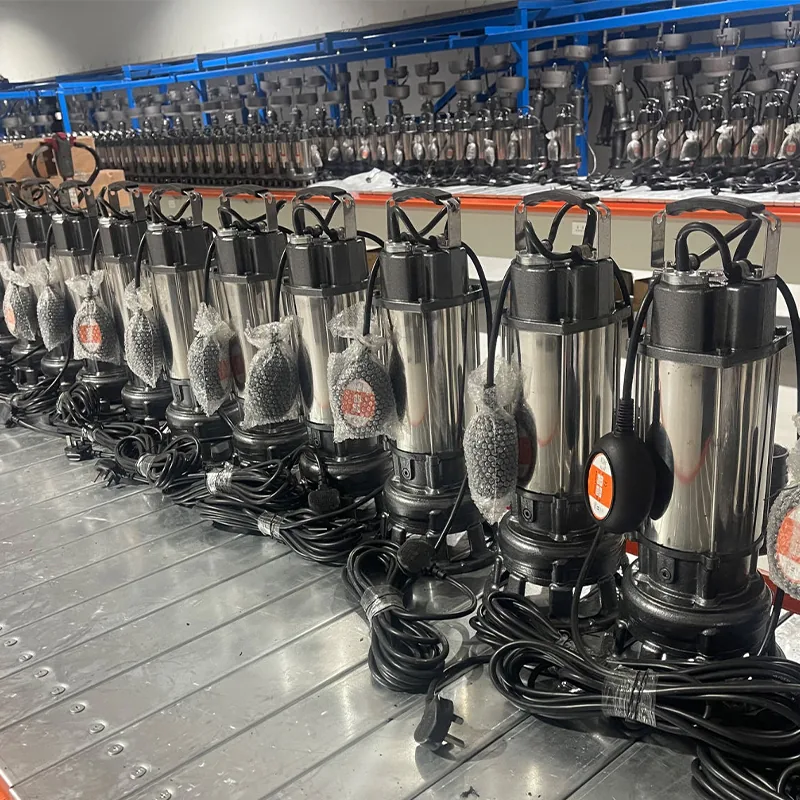
The Efficient High-Pressure Submersible Pump is a good solution engineered to meet the demanding...
See Details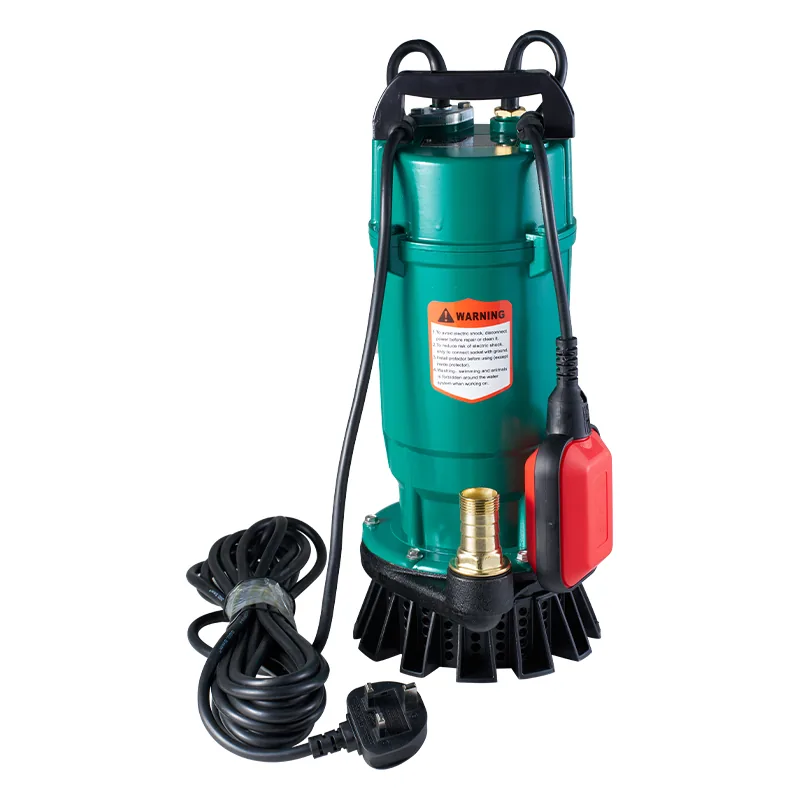
The Efficient Powerful Submersible Pump is a versatile and robust piece of equipment designed to...
See Details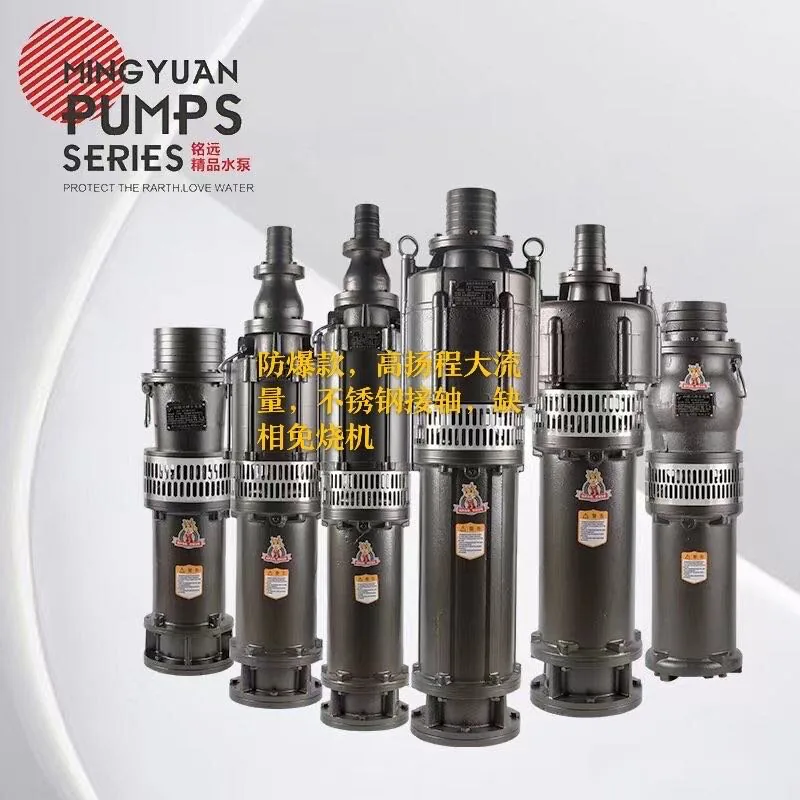
The Explosion-Proof Large Flow Phase-Loss Protection Submersible Pump is a robust and reliable...
See Details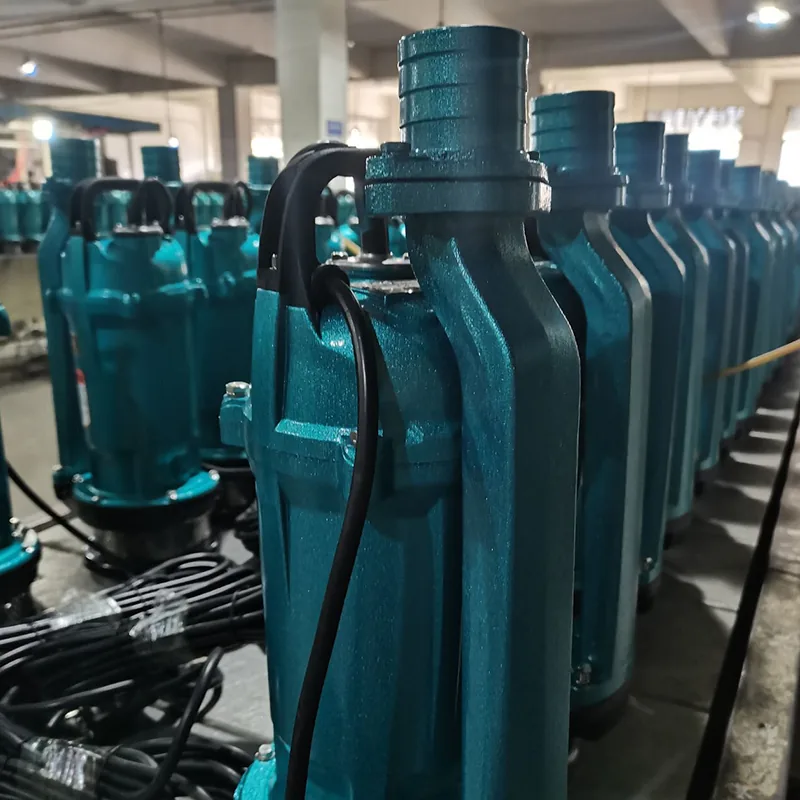
The Heavy-Duty Versatile Submersible Pump is engineered to meet the demanding needs of rural...
See Details