 English
 Español
 العربية
Corrosion-Resistant Submersible Pump for for Heavy-Duty Applications
The Corrosion-Resistant Submersible Pump is a robust and durable solution engineered for demanding...
See Details


When people talk about a Solar Water Pump Factory, they usually expect a clear system behind it rather than just a product line. In reality, it is closer to a workflow that connects design, assembly, and field behavior.
What matters most is not only how parts are produced, but how the final system behaves once it is placed in different water conditions. That gap between factory output and real usage is where most of the attention goes.
Inside most production environments, the idea is simple on the surface: take solar input and turn it into water movement. But the actual setup is more layered than it sounds.
A typical factory does not treat components separately. Motors, pump bodies, and control units are arranged as a single working system. Not everything is fully standardized either. Adjustments are often made depending on where the system will eventually be used.
Some points that usually matter in practice:
It is less about isolated parts and more about how everything behaves after connection.
Production is not a single straight line process. It moves through stages, but not always in a perfectly clean sequence.
Motor assembly is usually where consistency starts to matter. If rotation is not smooth at this point, later steps only reveal the problem more clearly.
After that, pump integration happens. This is where small mismatches between parts become noticeable. Not always immediately, but during continuous use.
Before anything leaves the factory, systems are typically run under extended operation conditions. Not because everything must be perfect, but because weak points tend to appear under time.
| Stage | What actually matters |
|---|---|
| Assembly | Whether parts behave consistently together |
| Integration | Small structural mismatches |
| Running check | Stability over time rather than instant performance |
| Field review | Whether behavior matches real installation conditions |
The idea is simple: problems rarely show up at the beginning.
Not every water source behaves the same way, so pump selection usually follows the environment rather than a fixed rule.
Deep wells, for example, are less forgiving. The system needs to maintain steady lifting behavior for long vertical distances. Irrigation setups feel different. Flow distribution matters more than pressure extremes.
In practice, matching is often based on usage patterns like:
| Scenario | What tends to matter most |
|---|---|
| Deep water access | Steady lifting behavior |
| Irrigation use | Consistent distribution |
| Livestock supply | Simplicity in daily handling |
| Remote locations | Flexibility in setup |
There is rarely a single universal configuration that fits everything.
Solar input changes during the day, and the system does not always receive stable energy. That alone changes how control logic is designed.
Instead of running at a fixed level, the system adjusts based on available input. Sometimes the difference is subtle, sometimes more noticeable, especially when light conditions shift quickly.
What matters here is not the technical label, but the behavior:
Control design becomes part of the overall system behavior, not just a separate function sitting on the side.
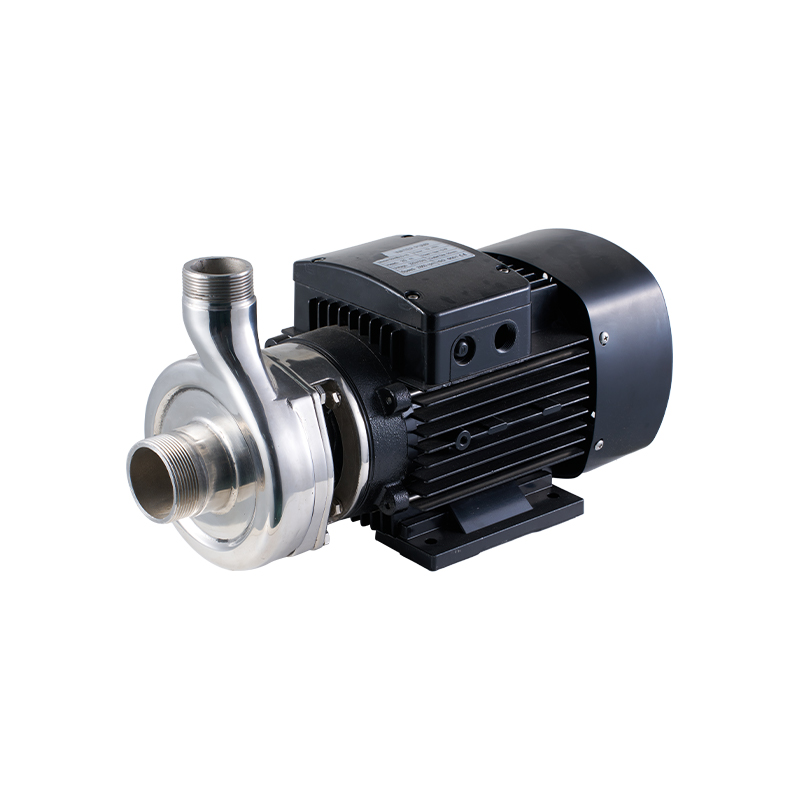
In real use, sunlight is rarely consistent. That is one of the main challenges any Solar Water Pump Factory has to deal with. A system might work smoothly at noon, but behave differently in the morning or late afternoon. So the design focus is usually on keeping things steady, not just on peak operation.
A lot of effort goes into how the system reacts when input power drops or changes quickly. It is not always about keeping full output. Sometimes it is more about avoiding sudden stops or unstable starts.
What tends to matter in practice is simple:
There is also a mechanical side. Heat, dust, and long outdoor exposure slowly affect performance. So sealing, cooling behavior, and structural resistance become part of the real design logic, not just lab conditions.
Matching the solar input with the pump is not always straightforward. A Solar Water Pump Factory usually deals with combinations rather than standalone products. The balance between energy supply and water output is what decides whether the system feels stable or not in real use.
If the solar side is too weak, the pump struggles to maintain flow. If it is too strong without proper control, energy is wasted or behavior becomes unstable. So the pairing process is more about balance than maximum capacity.
| System Element | What needs attention | What can go wrong if mismatched |
|---|---|---|
| Solar panels | Energy consistency | Weak or unstable water output |
| Pump unit | Load handling | Overheating or irregular flow |
| Control unit | Energy adjustment | Sudden stops or uneven operation |
| Installation setup | Real environment fit | Reduced efficiency in field use |
In most cases, the goal is not pushing one side higher, but keeping both sides aligned in a way that feels stable during daily operation.
Customization is often where different factories separate themselves. In a Solar Water Pump Factory, OEM and project based requests usually mean adjusting the system rather than rebuilding it from scratch.
Some clients only need small changes. Others require full system adaptation for specific environments. It depends on how the pump will be used and where it will be installed.
Common adjustment points include:
It is rarely about changing everything. More often, it is about fine tuning so the system fits a specific setup without unnecessary complexity.
There is also a practical side. Too many variations can slow down production or make maintenance harder later. So customization usually stays within a controlled range.
In agriculture and remote locations, water access is often shaped by how far the site is from stable infrastructure. That is where Solar Water Pump Factory solutions tend to fit in a practical way. The basic idea is straightforward: instead of relying on external power sources, the system uses available sunlight to keep water moving.
In farming environments, water demand is not always steady. It can shift during the day depending on crops, weather, and irrigation timing. Because of that, the system is expected to keep working without constant manual adjustment. The behavior matters more than complexity. If it requires frequent attention, it becomes harder to manage in daily use.
Remote areas bring a different challenge. Maintenance is not always easy, and sometimes access to service support is limited. So the equipment is generally expected to run in a predictable way over long periods, even when conditions are not ideal. Stability becomes more important than fine tuning.
What makes these systems practical in such environments is mainly their ability to reduce dependency on external energy supply, avoid reliance on fuel or grid connections, and simplify installation in open land conditions. They also adapt more easily to different water sources, which is important when site conditions vary.
In the end, the value is not tied to complexity. It is more about keeping water available in places where traditional systems are harder to maintain or operate consistently.
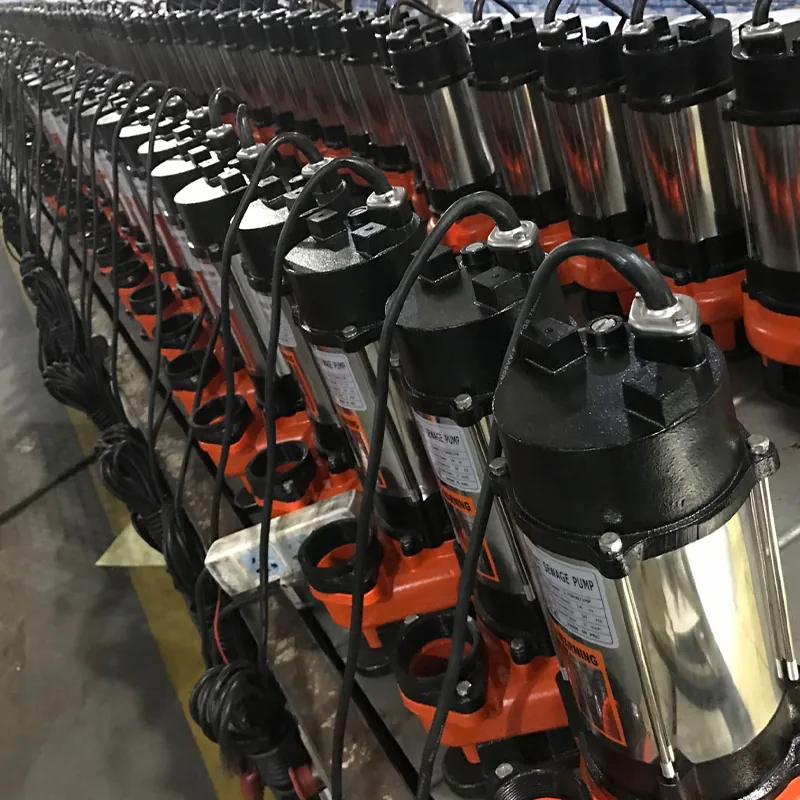
The Corrosion-Resistant Submersible Pump is a robust and durable solution engineered for demanding...
See Details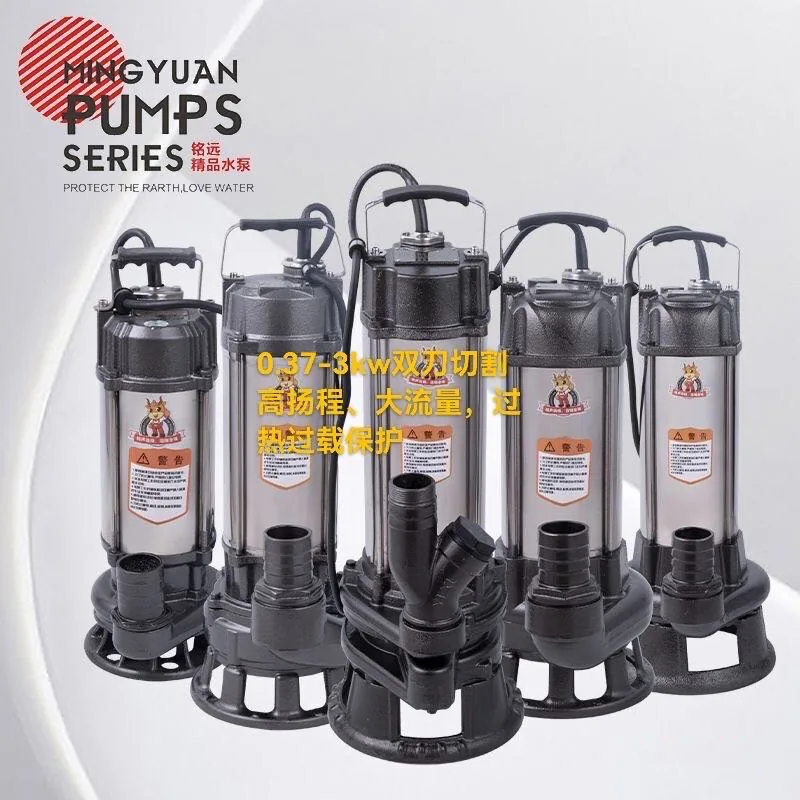
The Double Blade Cutting High Lift Overheat Protection Submersible Pump is an advanced solution...
See Details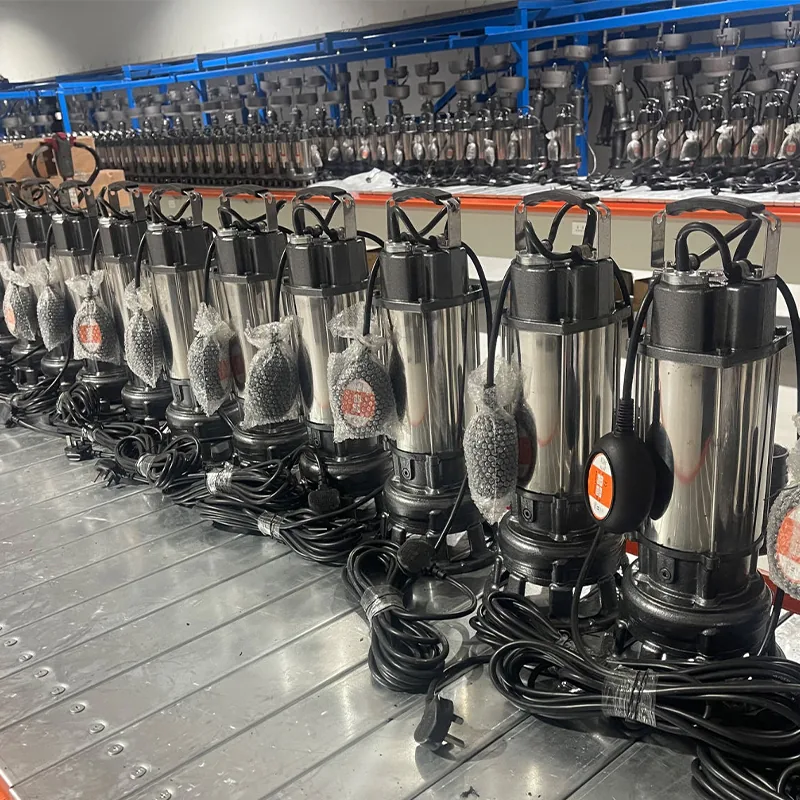
The Efficient High-Pressure Submersible Pump is a good solution engineered to meet the demanding...
See Details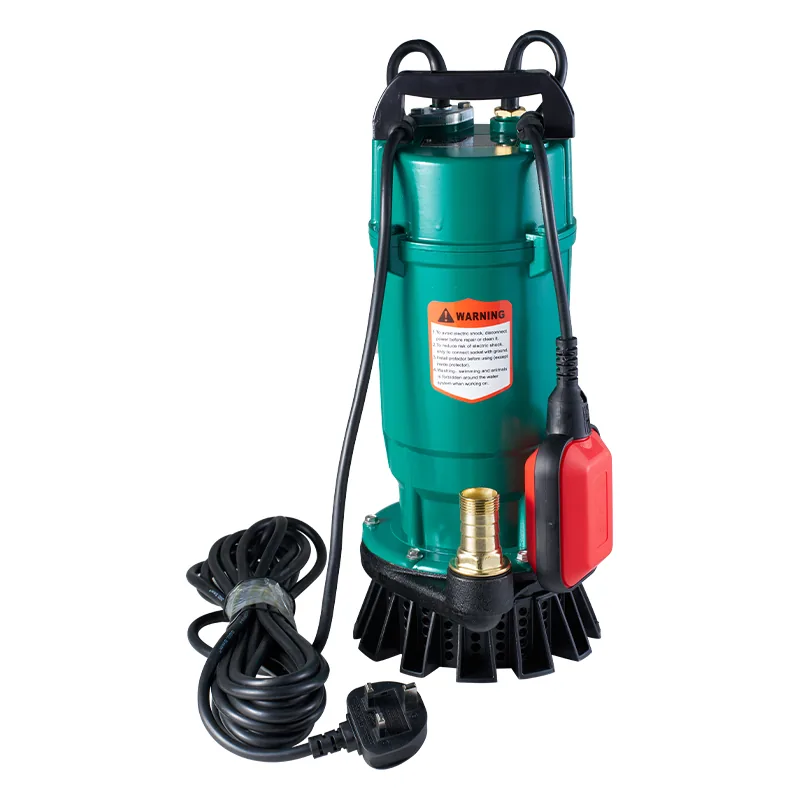
The Efficient Powerful Submersible Pump is a versatile and robust piece of equipment designed to...
See Details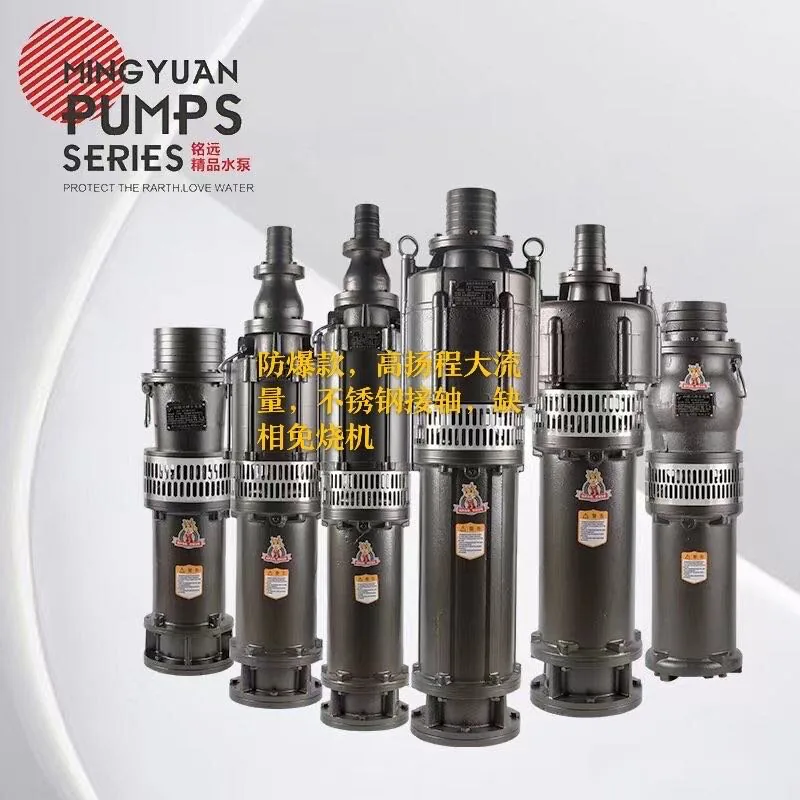
The Explosion-Proof Large Flow Phase-Loss Protection Submersible Pump is a robust and reliable...
See Details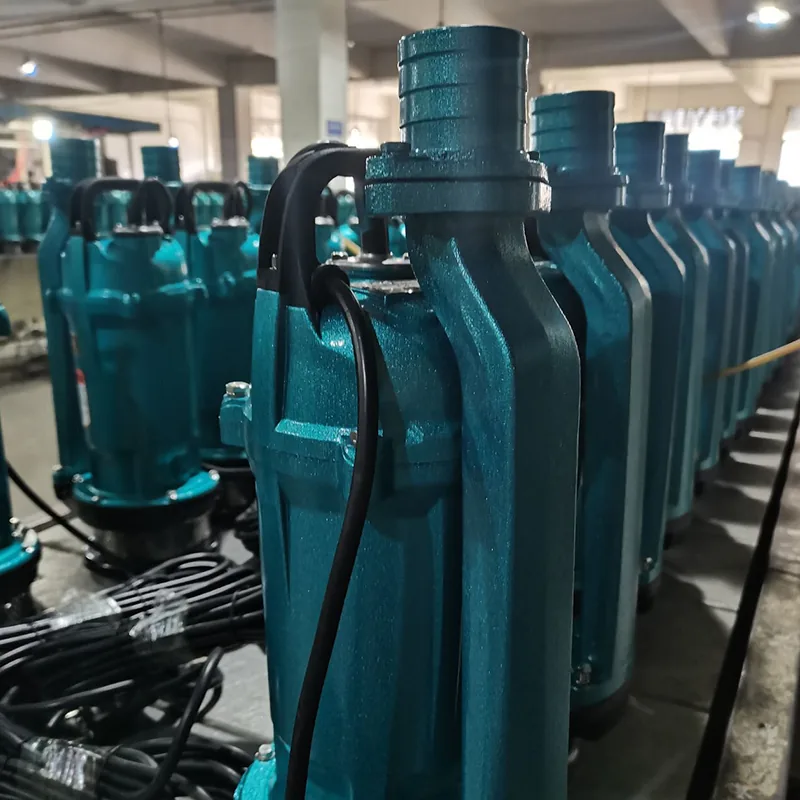
The Heavy-Duty Versatile Submersible Pump is engineered to meet the demanding needs of rural...
See Details