 English
 Español
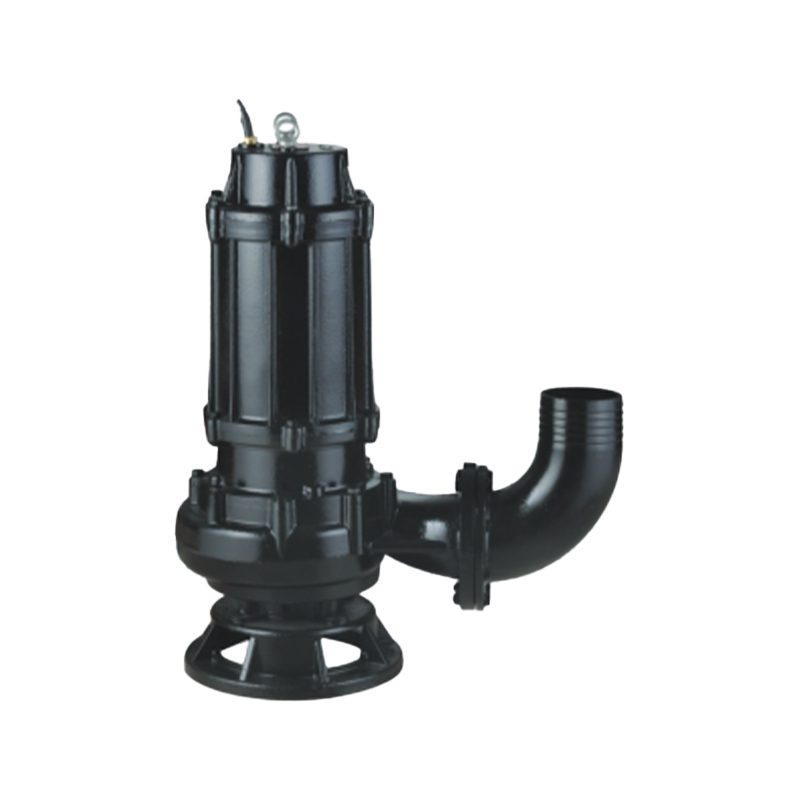
Stable Industrial-grade Submersible Pump
The Stable Industrial-grade Submersible Pump is engineered to deliver ...



Working with an OEM Factory For Sewage Pumps often involves more than selecting a product and placing an order. Behind each pump system, there are layers of cost structure, technical choices, production planning, and coordination between different stages of manufacturing and delivery. These elements influence how a project moves from concept to finished equipment in real use environments.
Cost structure in an OEM sewage pump manufacturing setup is usually formed through several connected parts that reflect different stages of production, engineering input, and service coordination.
In most cases, this type of manufacturing partner reviews all cost-related elements as a whole rather than separating them into isolated sections. This approach makes early technical alignment and clear requirement sharing an important step before production starts.
| Cost Layer | Description | Influence on Final Structure |
|---|---|---|
| Material selection | Metal, sealing parts, internal components | Affects durability requirements |
| Manufacturing process | Casting, assembly, finishing steps | Impacts production complexity |
| Testing stage | Performance and safety checks | Ensures operational consistency |
| Custom requirements | Branding, design adjustments | Adds specific engineering effort |
| Logistics preparation | Packaging and handling | Supports transportation needs |
Price variation between similar pump systems is usually related to differences in internal design choices, production methods, and material selection. Even when two products appear similar externally, internal configurations may differ significantly.
Key factors that influence pricing differences:
Instead of focusing only on appearance or basic specifications, comparison is often more meaningful when structured by function and application suitability.
A comparison approach that is often used:
This approach helps reduce misunderstanding when reviewing options from different sources within OEM Factory For Sewage Pumps networks.
Cost control in procurement is rarely achieved by focusing only on unit price. In practice, it is more closely linked to how the pump system is defined at the early stage, how requirements are communicated, and how closely the selected configuration matches the actual working environment. When working with an OEM Factory For Sewage Pumps, small decisions made before production often have a greater impact than adjustments made later.
One of the more effective approaches is to keep product requirements as consistent as possible across projects, avoiding frequent structural changes that do not bring functional improvement. When the pump design is repeatedly modified for similar use cases, it usually increases manufacturing complexity and leads to additional processing steps that could otherwise be avoided. At the same time, selecting a configuration that matches real operating conditions helps prevent over-specification, which can introduce unnecessary material or structural layers that are not required in practice.
Order planning also plays a role in overall cost balance. When production is arranged in a more continuous flow rather than in isolated batches, the manufacturing process tends to become more efficient, reducing interruptions in setup and calibration. This is often more effective than trying to adjust cost after the production stage has already begun.
Clear communication with the OEM Factory For Sewage Pumps is another important factor. When technical expectations, installation conditions, and material preferences are shared early, it reduces the likelihood of redesign or repeated confirmation steps. In many cases, misunderstandings during the early discussion phase are what lead to additional time and resource use later in the process.
In addition, maintaining consistency in specifications across different projects can help simplify both production and future maintenance planning. Material selection should also reflect the actual environment where the pump will operate, rather than being based on general assumptions. When these elements are considered together from the beginning, cost optimization becomes more of a structural decision rather than a reactive adjustment during manufacturing.
Planning order quantity and production timing plays an important role in maintaining steady workflow between procurement teams and manufacturing units.
Typical planning considerations include:
A structured planning flow:
Clear communication at this stage helps reduce delays caused by repeated adjustments or missing specification details.
Delivery timing in OEM Factory For Sewage Pumps projects is usually influenced by several connected steps rather than a single point in the process. Even if production itself is running normally, delays can still appear if other parts of the chain are not aligned.
Material availability is often one of the first things that affects timing. Some components are shared across different pump models, so their availability can impact when production can fully start. Coordination between different production steps also matters, especially when assembly and inspection need to follow a specific order.
Packaging preparation and shipping arrangement can also shift timing slightly. If transport schedules or handling requirements are not aligned early, finished products may need to wait before dispatch.
The time needed from production to delivery in an OEM Factory For Sewage Pumps project is not fixed, since it depends on how complex the requirements are and how smooth the coordination is between each stage.
When product design is simple and materials are ready, production usually moves through each stage without many interruptions. If customization is involved, additional steps may be needed before assembly begins, which can extend the overall process.
| Stage | What happens | What can affect timing |
|---|---|---|
| Requirement confirmation | Finalizing specifications | Frequent changes slow down progress |
| Material preparation | Sourcing parts and components | Availability differences |
| Assembly process | Pump construction | Complexity of design |
| Testing stage | Performance checking | Additional checks if needed |
| Packaging and dispatch | Preparing for shipment | Transport arrangement timing |
Each stage is connected, so delays in one step can influence the next. Clear planning at the beginning usually helps reduce unexpected changes later in the process.
After sales support from an OEM Factory For Sewage Pumps is usually focused on helping the equipment operate normally after delivery. In many cases, support starts with installation guidance, especially when systems are used in different working environments.
Technical communication is often available when questions appear during operation. This can include advice on usage conditions or adjustments based on site requirements. Spare parts availability is also an important part, since pumps operating in wastewater environments may require component replacement over time.
Maintenance guidance is often shared in a practical way, helping operators understand how to handle routine checks and basic servicing. This kind of support can reduce interruptions during operation, especially for long term projects.
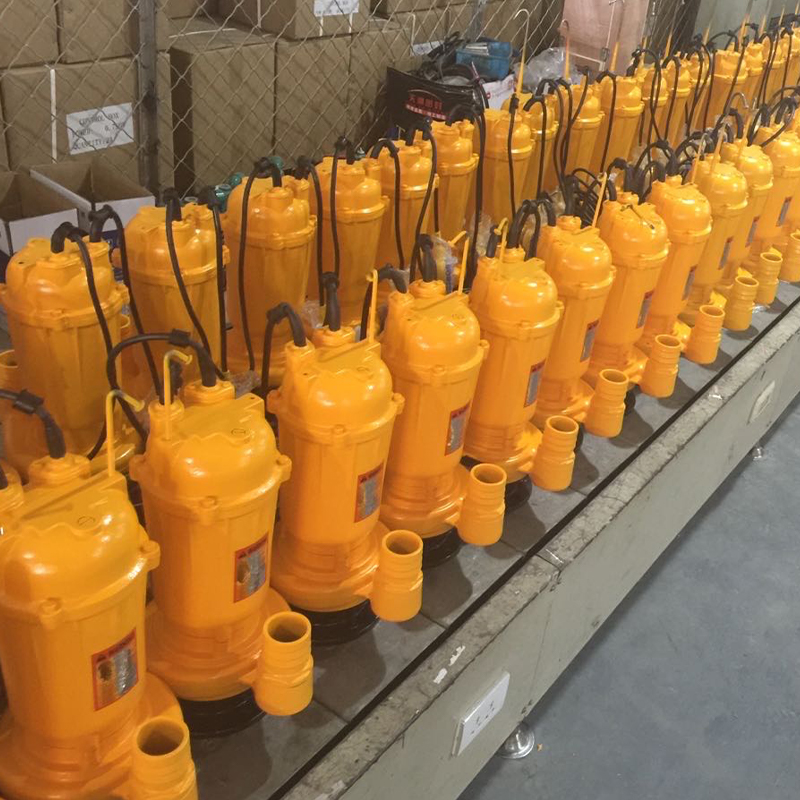
When working with an OEM Factory For Sewage Pumps, risk evaluation is usually less about a single issue and more about how consistent the overall cooperation feels over time. One common point is whether communication stays clear when technical details are discussed, since unclear requirements can lead to differences in expectation later.
Another point is whether production results stay consistent across different batches. Even small variations in structure or performance can create additional work during installation or maintenance. It also helps to pay attention to how quickly and clearly the factory responds when questions or adjustments appear during the process.
A more stable cooperation often comes from early alignment on technical details and keeping documentation simple but clear. When both sides understand expectations from the beginning, the overall process tends to move with fewer interruptions.
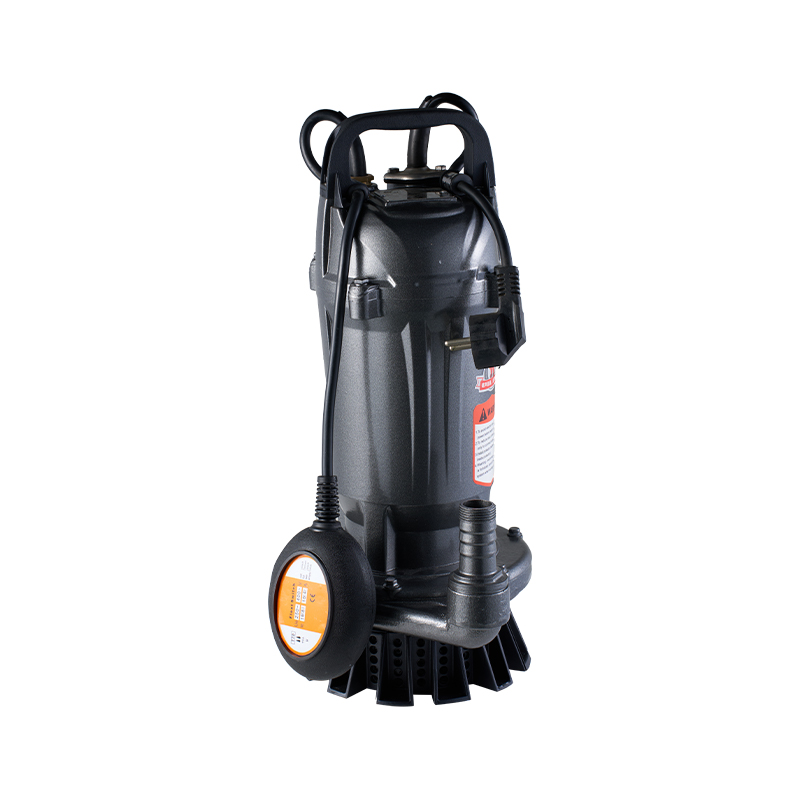
The Stable Industrial-grade Submersible Pump is engineered to deliver ...
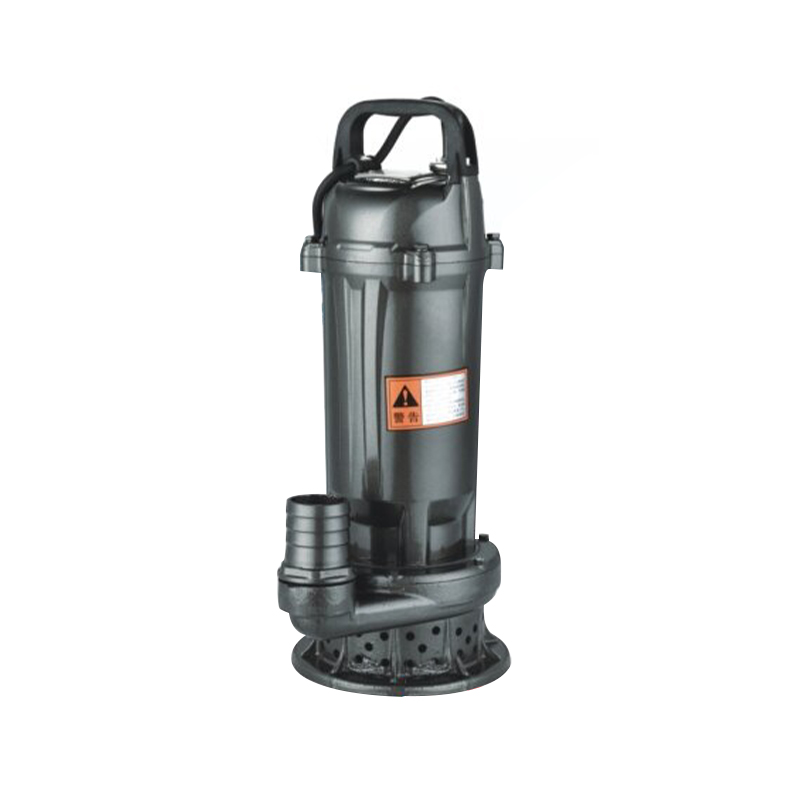
The Small-Sized Submersible Pump is an efficient and versatile solutio...
The Robust Submersible Pump is an engineered solution designed to meet...
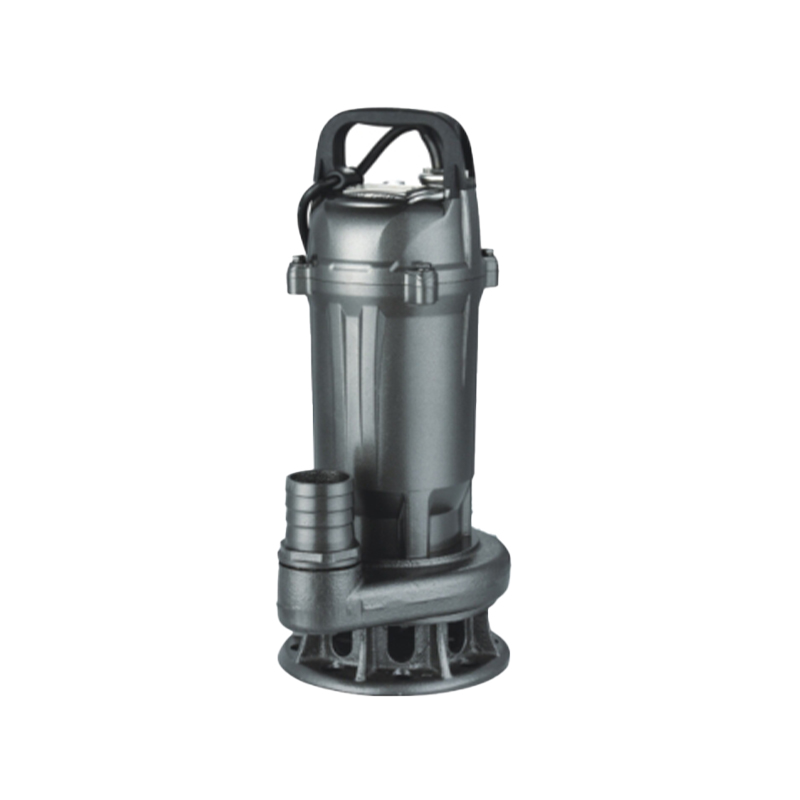
The Robust Submersible Sewage Pump is engineered to excel in the deman...
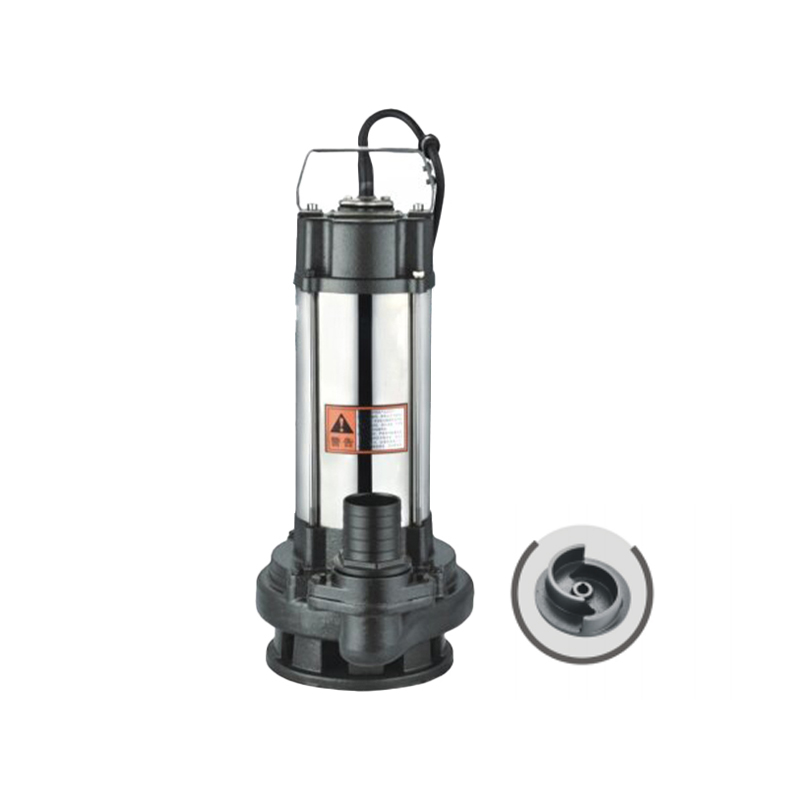
The Anti-Clog Submersible Sewage Pump is a robust and versatile soluti...
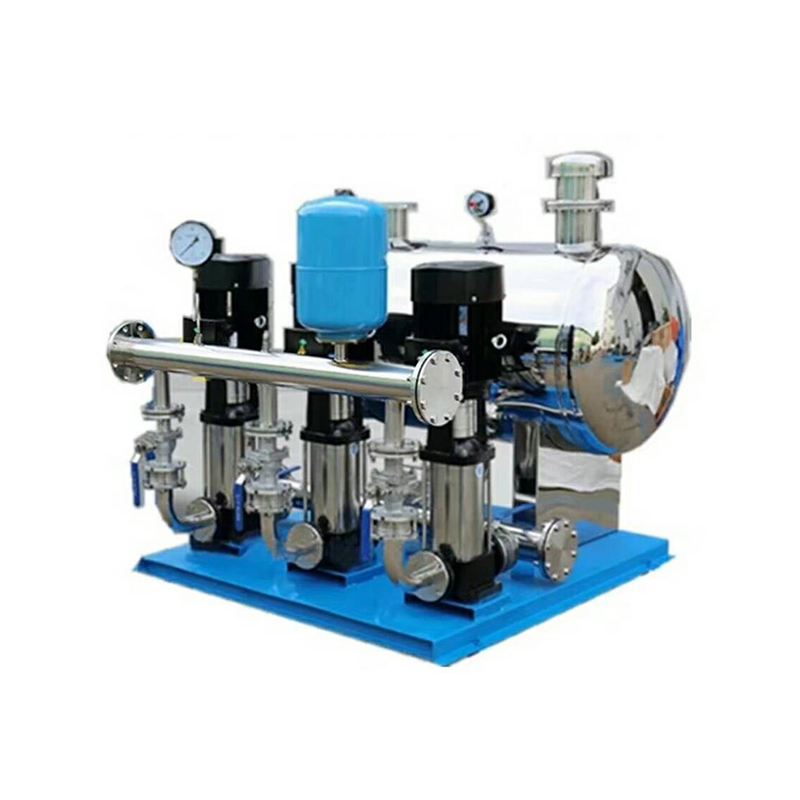
The Corrosion-Resistant Horizontal Multistage Centrifugal Pump is a sp...
Copyright © Zhejiang MingYuan Pump Co., Ltd. All Rights Reserved

Industrial Water Pump Manufacturer