 English
 Español
High-quality Waterproof Submersible Pump
Our high-quality waterproof submersible pump is a versatile and essent...



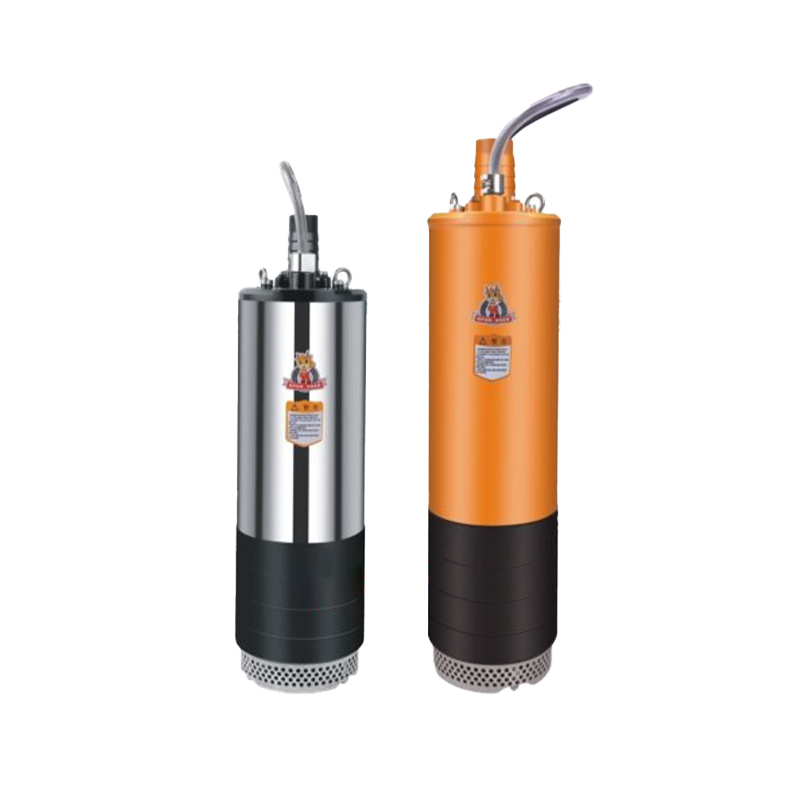
For manufacturers in the water and wastewater industry, producing dependable pumps is essential for both safety and operational efficiency. A Sewage Pump Factory focuses on designing and assembling pumps that can withstand continuous operation, abrasive materials, and corrosive liquids, while meeting client-specific requirements.
At the core of any pump's reliability is the quality of materials used. Sewage pump manufacturers typically use stainless steel, cast iron, and corrosion-resistant alloys to ensure long-term durability. Components such as impellers, shafts, and seals are engineered to handle high-pressure conditions and resist wear.
The manufacturing team in a Sewage Pump Factory carefully selects each material based on the type of wastewater, solids content, and operating environment. This ensures that pumps meet performance expectations and maintain efficiency over time. In addition, suppliers of raw materials are evaluated to guarantee consistency and traceability, which is crucial for industrial-grade equipment.
A modern Sewage Pump Factory integrates automated machining, assembly, and testing lines to maintain consistent quality. Each pump undergoes a series of inspections, including flow rate verification, pressure testing, and seal integrity checks. Technicians monitor tolerances closely, identifying potential issues before the pumps leave the factory.
Many factories also maintain a controlled production schedule to reduce downtime and ensure timely delivery. Advanced software and monitoring systems track production metrics, helping engineers adjust processes and maintain efficiency. Regular audits and preventive maintenance of machinery help avoid deviations in production quality. The factory's focus on controlled workflows ensures that every pump meets manufacturing standards and reduces the risk of operational failures for clients.
One advantage of working with a sewage pump manufacturer is the ability to customize designs according to client needs. Factories collaborate with municipalities, industrial plants, and commercial clients to determine flow requirements, motor specifications, and casing materials.
For example, some applications require pumps that handle large solids or operate in energy-efficient modes. A Sewage Pump Factory can adjust impeller types, motor power, and protective coatings to suit these needs. Engineers often prototype new configurations in-house to verify performance before full-scale production. This flexibility allows clients to receive solutions tailored to their operational environment.
Manufacturers also provide detailed maintenance instructions and supply replacement parts to support long-term operation. Scheduled inspections, lubrication routines, and component checks help extend pump life and maintain reliability. Factories may offer service packages, ensuring that clients have ongoing support for critical installations.
Responsible sewage pump manufacturers integrate safety and environmental standards into their production. Handling lubricants, coatings, and waste materials is carefully managed, while dust control and proper ventilation protect factory workers. Many factories also explore energy-efficient pump designs to reduce operational costs and environmental impact.
From a manufacturing perspective, a Sewage Pump Factory is more than a production facility—it is a hub of engineering, quality control, and client-focused solutions. By carefully selecting materials, implementing precise production workflows, prototyping and testing new designs, customizing pumps, and supporting maintenance, manufacturers ensure that their pumps operate reliably across diverse applications. Partnering with a capable factory allows clients to trust that their wastewater management systems are supported by durable, well-engineered equipment.
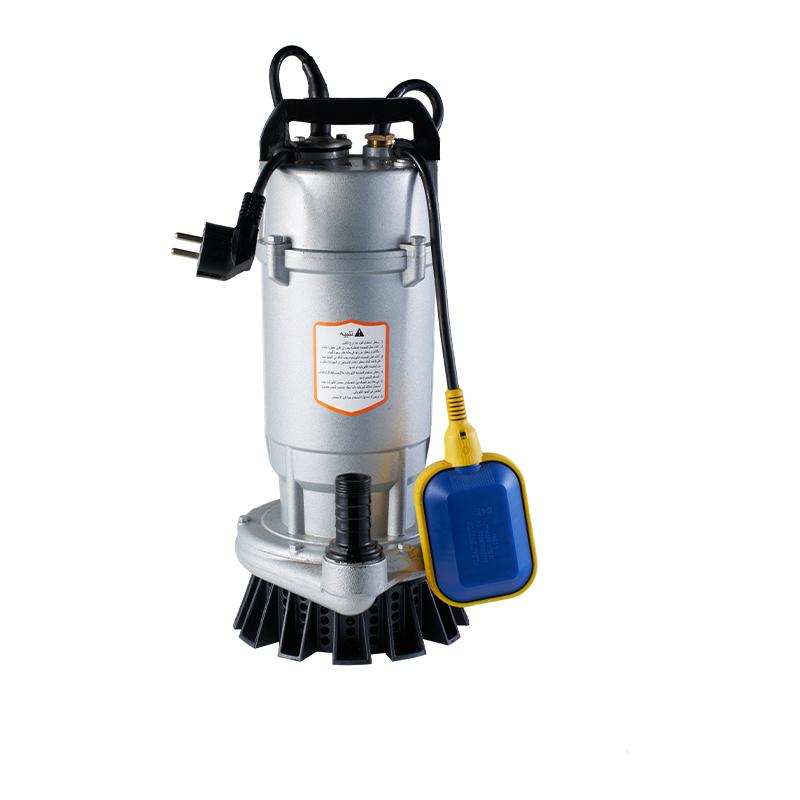
Our high-quality waterproof submersible pump is a versatile and essent...
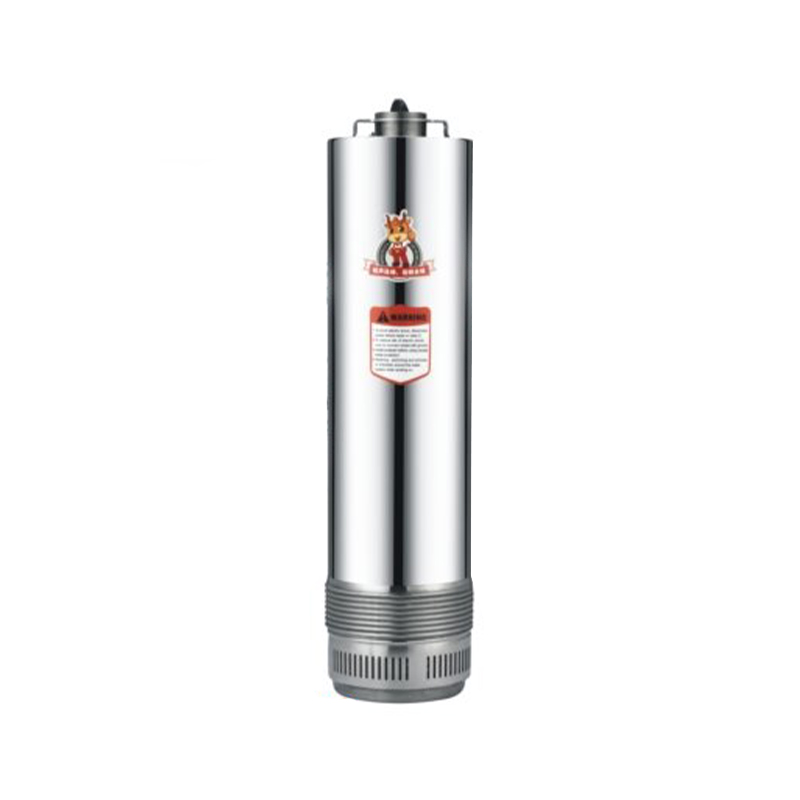
The Dual-Motor Submersible Pump is a versatile and robust solution eng...
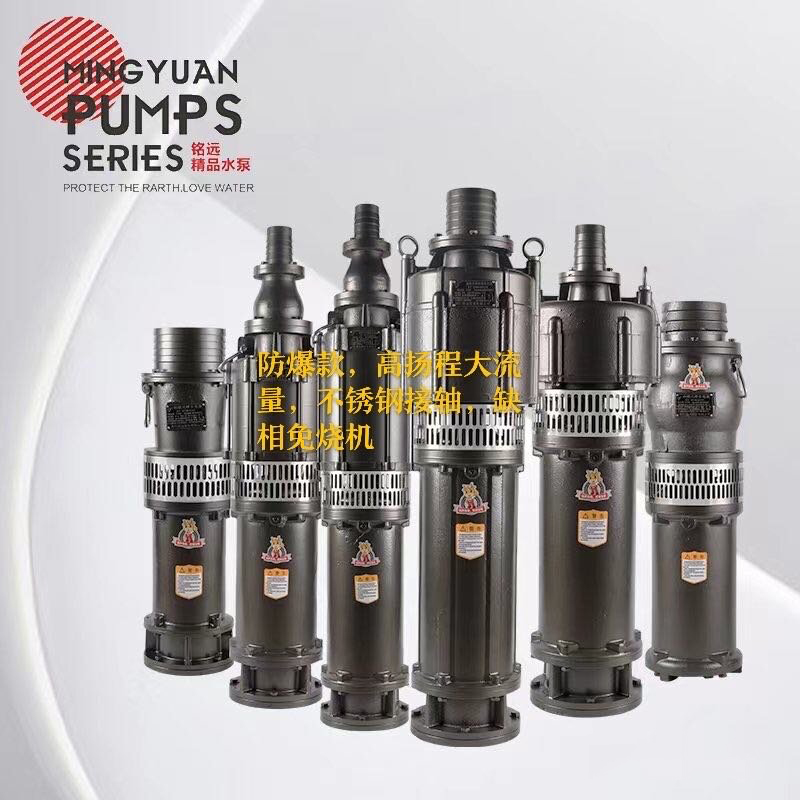
The Explosion-Proof Large Flow Phase-Loss Protection Submersible Pump ...
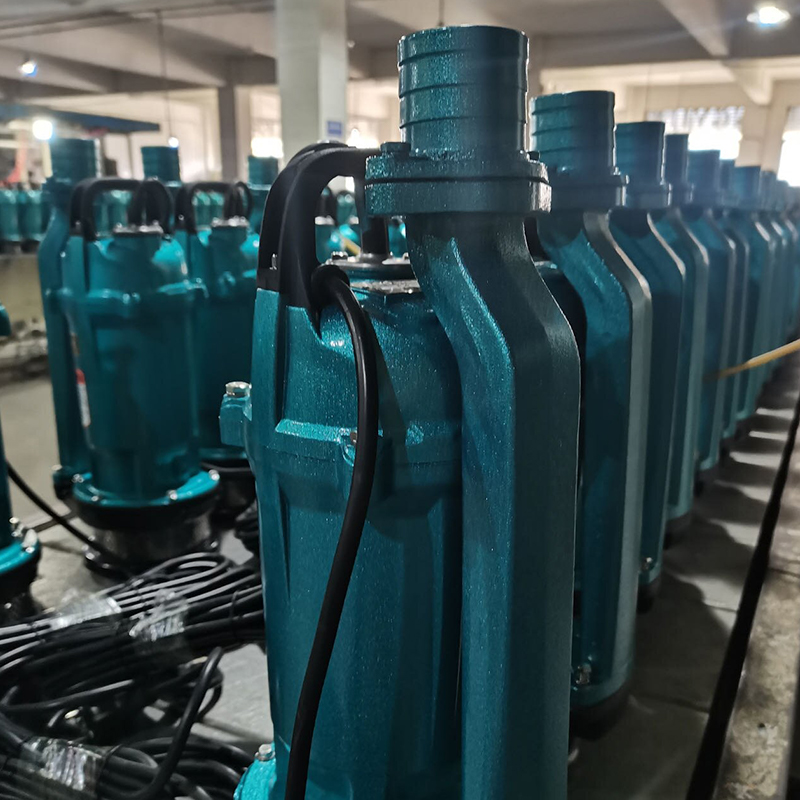
The Heavy-Duty Versatile Submersible Pump is engineered to meet the de...
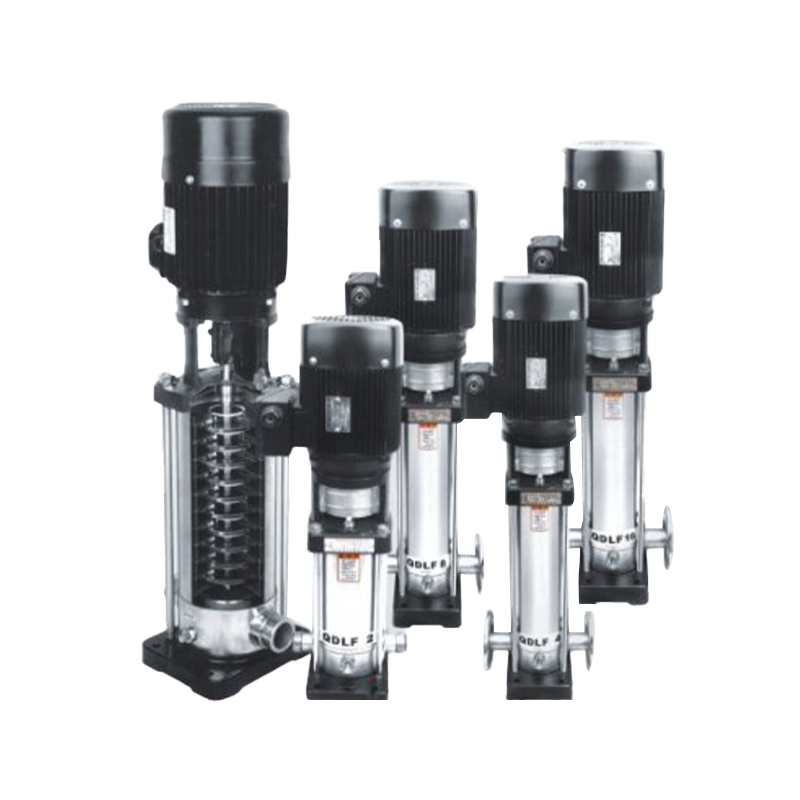
The Efficient Cooling Water Horizontal Multistage Centrifugal Pump is ...

Crafted for durability and efficiency, this stainless steel deep well ...
Copyright © Zhejiang MingYuan Pump Co., Ltd. All Rights Reserved

Industrial Water Pump Manufacturer