 English
 Español
 العربية
Corrosion-Resistant Submersible Pump for for Heavy-Duty Applications
The Corrosion-Resistant Submersible Pump is a robust and durable solution engineered for demanding...
See Details


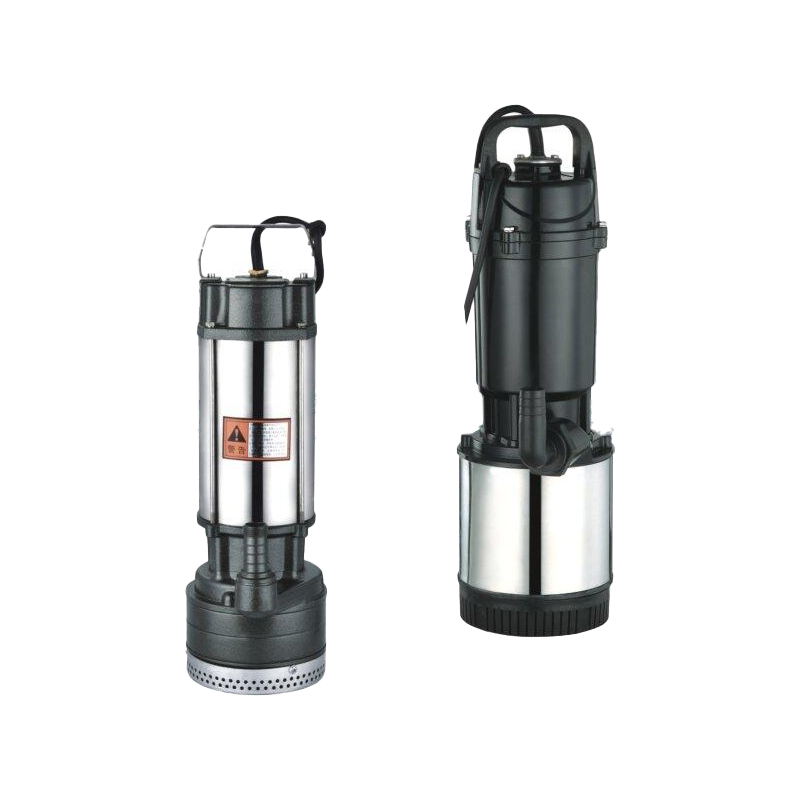
High efficiency submersible pumps are critical components in many industries, and producing them requires attention to design, materials, and assembly processes. From a manufacturer's perspective, the goal is to ensure each unit delivers consistent performance, durability, and operational reliability. Achieving this involves a combination of precise engineering, quality materials, controlled production techniques, and systematic factory procedures.
The foundation of a high efficiency submersible pump is its materials. Stainless steel or corrosion-resistant alloys are commonly used for pump casings, shafts, and impellers to withstand prolonged water exposure. Bearings and seals must tolerate constant rotation and pressure without degradation. Manufacturers also test the hardness, tolerance, and compatibility of each material batch to ensure consistent quality. Additionally, suppliers' raw materials are inspected for impurities or inconsistencies that could affect pump longevity. Selecting the right materials is essential for producing a High Efficiency Submersible Pump capable of enduring demanding operational conditions.
Precision machining is a key part of the manufacturing process. CNC machines are used to shape impellers, housings, and other components to tight tolerances, reducing friction and energy loss. Balanced components minimize vibration, while exact alignment of bearings and seals prevents leaks and premature wear. During assembly, technicians verify rotational smoothness, component clearance, and alignment using calibrated gauges. Modern factories may incorporate semi-automated assembly lines to increase consistency while allowing skilled operators to manage complex installation steps. This attention to detail ensures that each pump operates efficiently and reliably after installation.
Manufacturers optimize impeller geometry, volute shape, and diffuser design to maintain consistent flow and head pressure while reducing energy consumption. Mechanical parts are designed to operate smoothly under load, minimizing resistance, heat generation, and wear over time. Computational simulations and prototype testing help refine these designs before full-scale production. Combining hydraulic efficiency with mechanical reliability is critical to producing a High Efficiency Submersible Pump that performs well over extended periods with minimal maintenance.
Every pump is subjected to comprehensive quality control before shipment. Performance tests simulate real-world conditions, including load trials, vibration analysis, and leak checks. Electrical inspections verify motor function, while pressure testing ensures seal integrity. Some manufacturers also perform accelerated life testing to identify potential failures early. Any defects detected during testing are corrected before packaging. Rigorous quality control ensures each High Efficiency Submersible Pump meets manufacturer specifications for safety and operational reliability.
After production, pumps are carefully packaged to prevent damage during transport. Manufacturers include documentation for assembly, installation, and maintenance. Traceability systems track material batches, component origins, and testing results, allowing manufacturers to monitor production quality and respond to potential issues efficiently. Automated labeling and inventory systems further support consistent delivery and quality assurance across multiple production lines.
From a manufacturing perspective, producing a High Efficiency Submersible Pump involves careful material selection, precision machining, hydraulic and mechanical optimization, rigorous quality control, and systematic factory operations. By controlling each stage of production, manufacturers deliver pumps that are durable, reliable, and efficient. Modern production practices, combined with skilled technicians and controlled processes, ensure that these pumps meet the demanding requirements of industrial, agricultural, and municipal applications while maintaining consistent long-term performance.
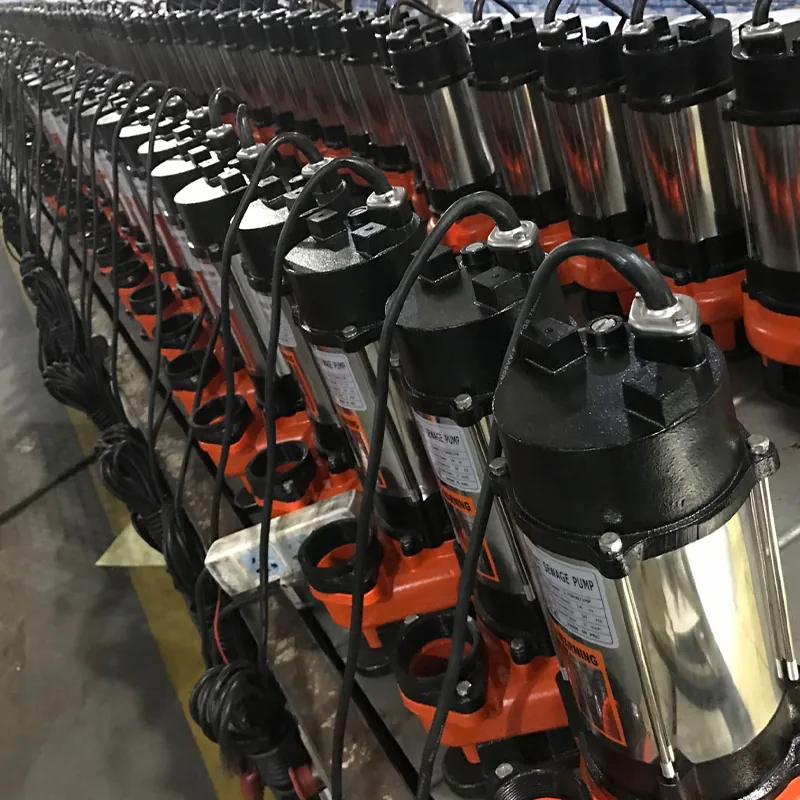
The Corrosion-Resistant Submersible Pump is a robust and durable solution engineered for demanding...
See Details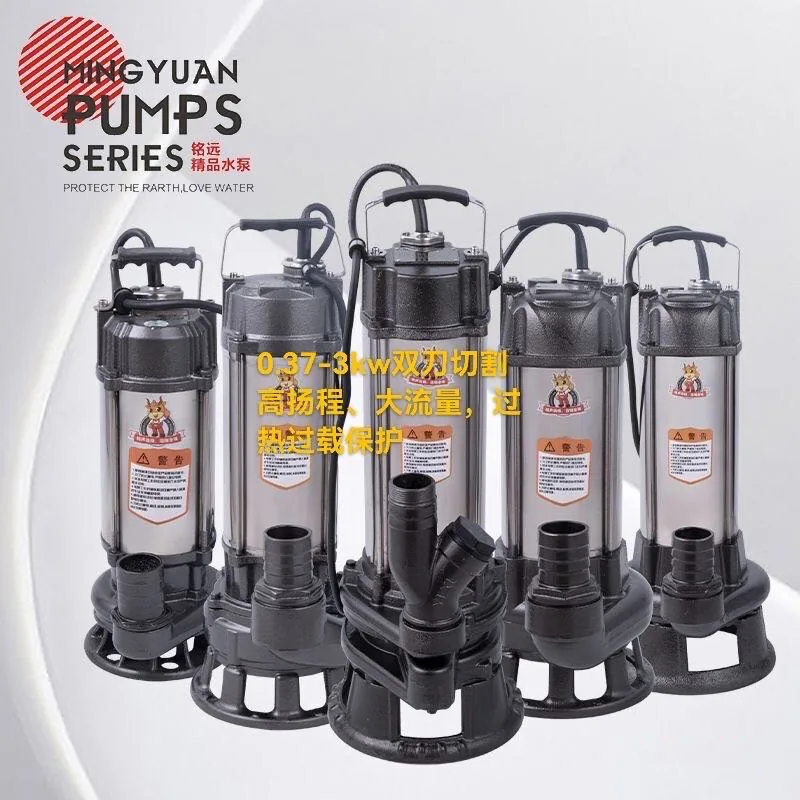
The Double Blade Cutting High Lift Overheat Protection Submersible Pump is an advanced solution...
See Details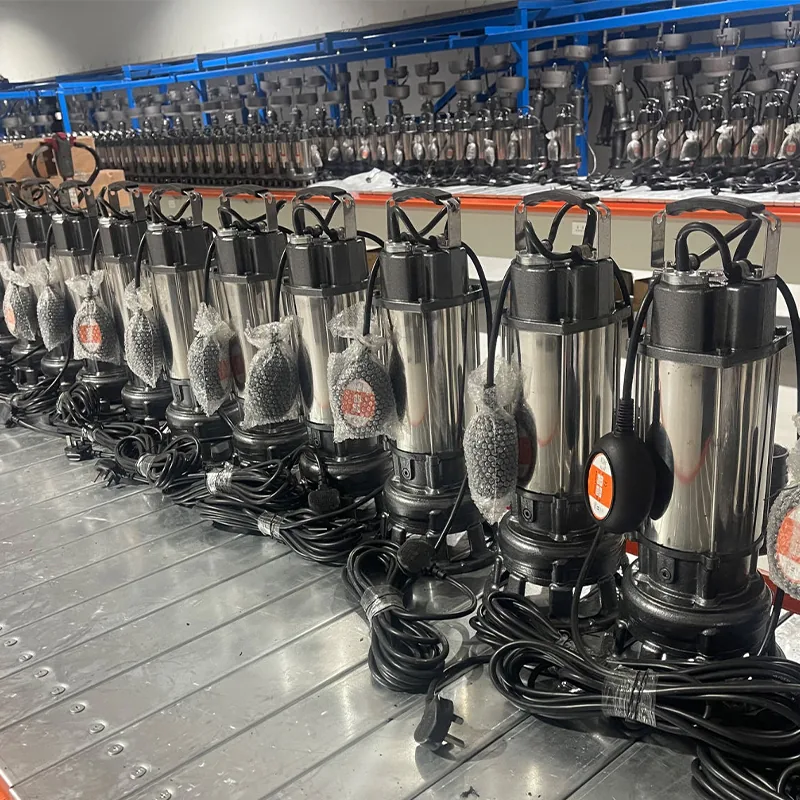
The Efficient High-Pressure Submersible Pump is a good solution engineered to meet the demanding...
See Details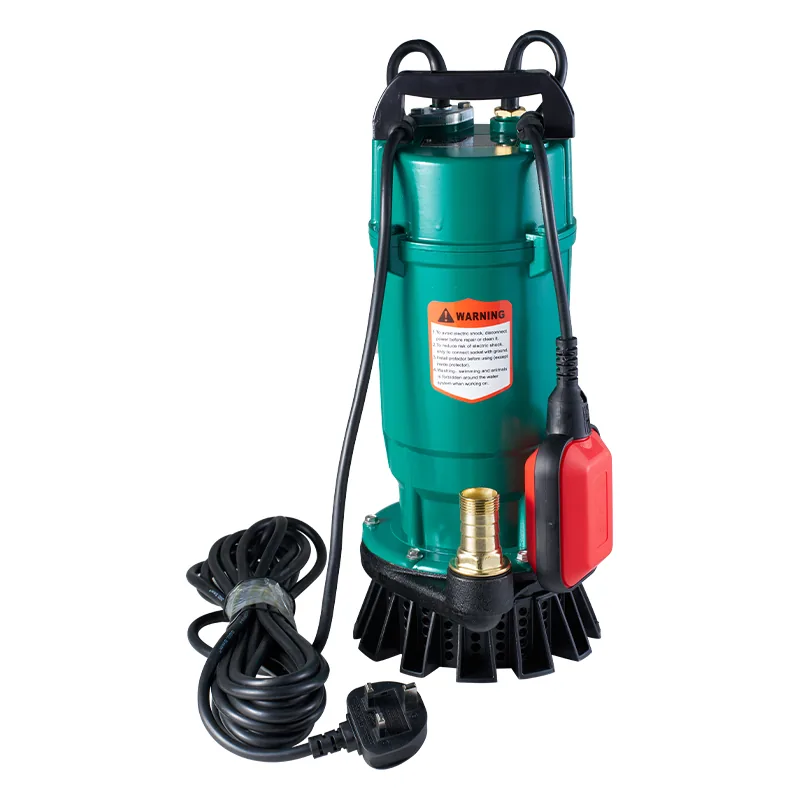
The Efficient Powerful Submersible Pump is a versatile and robust piece of equipment designed to...
See Details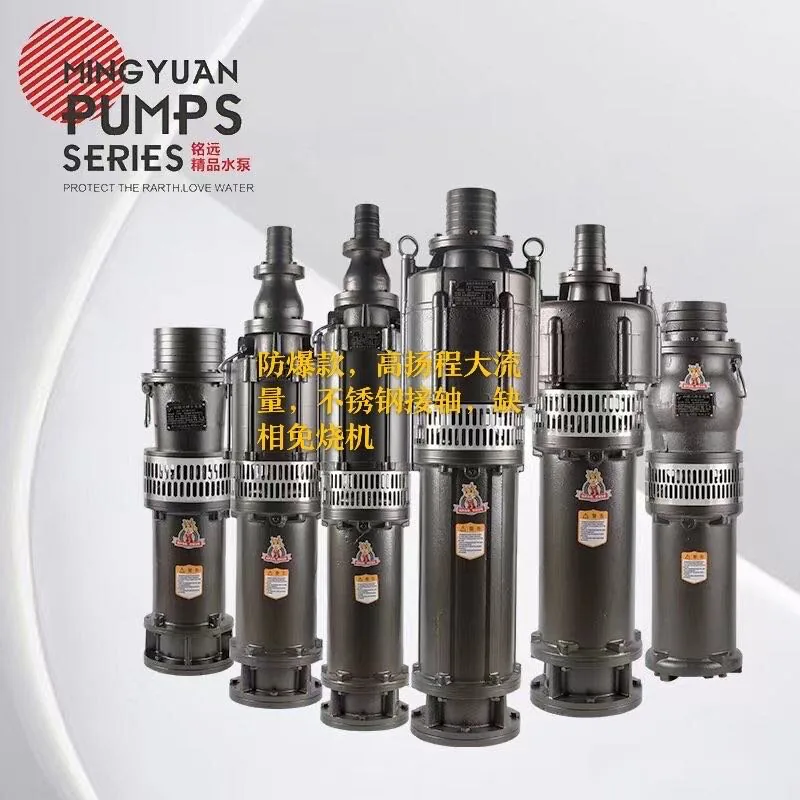
The Explosion-Proof Large Flow Phase-Loss Protection Submersible Pump is a robust and reliable...
See Details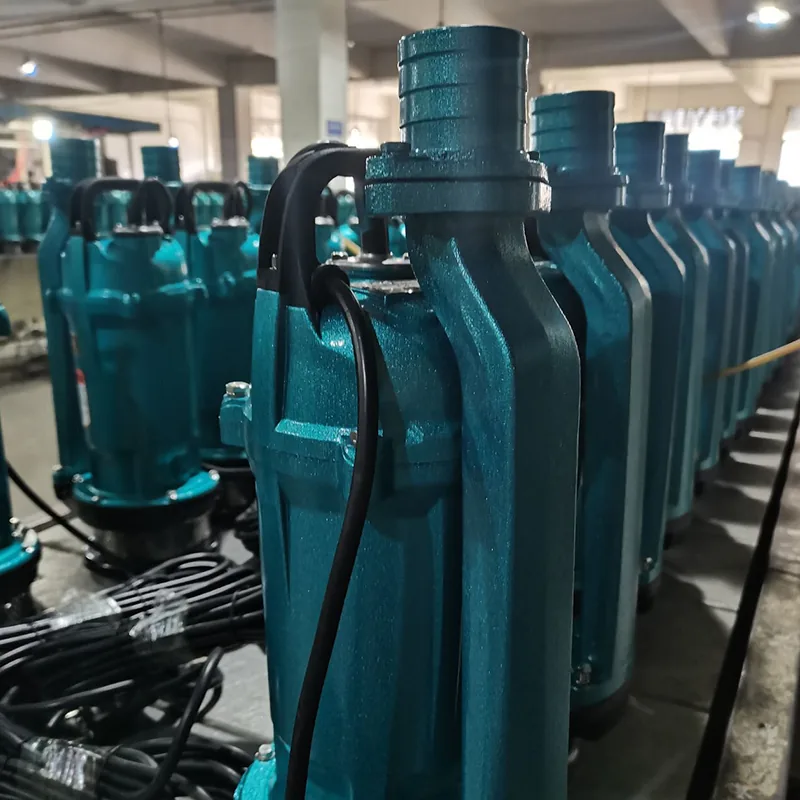
The Heavy-Duty Versatile Submersible Pump is engineered to meet the demanding needs of rural...
See Details