 English
 Español
 العربية
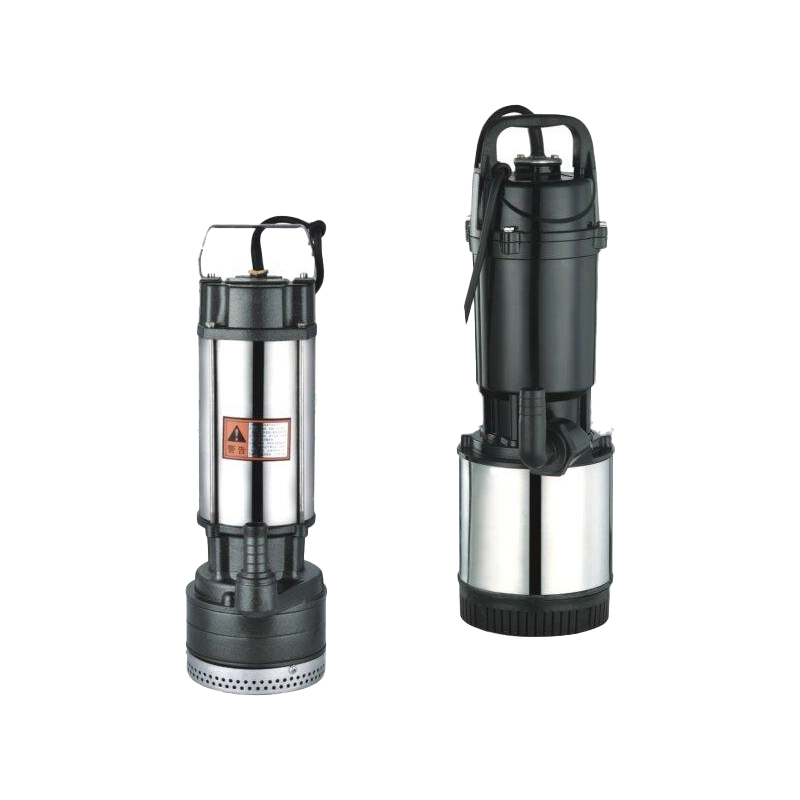
Corrosion-Resistant Submersible Pump for for Heavy-Duty Applications
The Corrosion-Resistant Submersible Pump is a robust and durable solution engineered for demanding...
See Details


Submersible pumps run underwater. That is a harsh environment. Motors overheat. Seals leak. Impellers wear out. A pump that works fine on a test bench can fail within months in a well or a sump. A high efficiency submersible pump supplier is not just selling a pump. They are selling a promise that their pump will keep working when it is submerged and out of sight. Efficiency matters because the pump runs for hours each day. A small improvement in efficiency saves significant electricity over the life of the pump.
The hydraulic design determines how much water moves per unit of electricity
A high efficiency submersible pump supplier focuses on the impeller and volute. These are the parts that move water. A poorly designed impeller creates turbulence. Turbulence wastes energy. A well-designed impeller moves water smoothly from the inlet to the outlet with small losses.
The number of impeller stages also affects efficiency. More stages create more pressure. But each stage adds friction losses. A good high efficiency submersible pump supplier matches the number of stages to the required head. Too many stages waste energy. Too few stages cannot deliver the pressure.
The motor needs to run cool and maintain efficiency at operating temperature
Motor efficiency is about losses. Heat is wasted energy. A high efficiency submersible pump supplier uses motors with high-quality laminations and copper windings. Cheap motors use aluminum windings. Aluminum has higher resistance than copper. Higher resistance means more heat. More heat means shorter motor life.
The motor also needs cooling. Submersible pumps rely on the surrounding water to remove heat. A high efficiency submersible pump supplier designs the motor housing with adequate surface area and internal circulation paths. The motor should run below the insulation temperature rating even at full load.
Good suppliers publish efficiency curves and stand behind them
A high efficiency submersible pump supplier that knows their product will provide pump curves. The curve shows flow rate at different pressures. It also shows efficiency at each operating point. Not just outstanding efficiency point, but the whole range.
Here is what to look for on a pump curve from a high efficiency submersible pump supplier:
If the supplier cannot provide curves or gives vague numbers, walk away. They do not have real data.
Suppliers who test every pump catch problems before shipping
A high efficiency submersible pump supplier that cares about quality tests every pump before it leaves the factory. The test includes flow rate, head pressure, input power, and motor current. The test results should match the published curve.
Some suppliers only test sample pumps from each batch. That works for commodity pumps. For high efficiency pumps that cost more, you want 100 percent testing. A bad pump in the batch will fail early. The cost of replacing it exceeds the cost of testing.
Beware of suppliers who only quote outstanding efficiency point numbers
Some high efficiency submersible pump supplier companies will quote a single efficiency number. Eighty percent. Sounds great. But that is the outstanding efficiency point, which occurs at a specific flow and pressure. Your application probably operates at a different point.
A pump running at 80 percent peak efficiency might drop to 60 percent at your actual operating point. A different pump with 75 percent peak efficiency might stay above 70 percent across your range. The second pump is better for you, even though the peak number is lower.
Energy savings claims need verification with your actual operating conditions
A high efficiency submersible pump supplier might claim their pump saves 20 percent energy compared to competitors. That number comes from a specific test condition. Your well depth, pipe size, and required flow might be different.
Ask the supplier to calculate expected energy use for your specific application. Provide them with your well depth, pipe diameter, and required flow rate. A good supplier will do the calculation. A bad supplier will give you more marketing numbers.
Replacement parts availability determines your long-term costs
A high efficiency submersible pump supplier needs to stock parts for the pumps they sell. Impellers, seals, bearings, and motors. If the supplier does not carry parts, you will buy a whole new pump when a seal fails or an impeller wears out.
Ask about parts availability before buying. How long does it take to get a replacement seal? Is the motor repairable or is it a throwaway unit? Good suppliers support their products for years, not just until the sale closes.
Finding the Right Supplier for Your Needs
The outstanding high efficiency submersible pump supplier for a municipal water plant is not the same as the outstanding supplier for a farm or a mine. Match the supplier to your application. Ask for references from similar installations. Visit the factory if possible. Test samples before ordering large quantities. The upfront work finding a good supplier pays off in lower energy bills and fewer pump replacements.
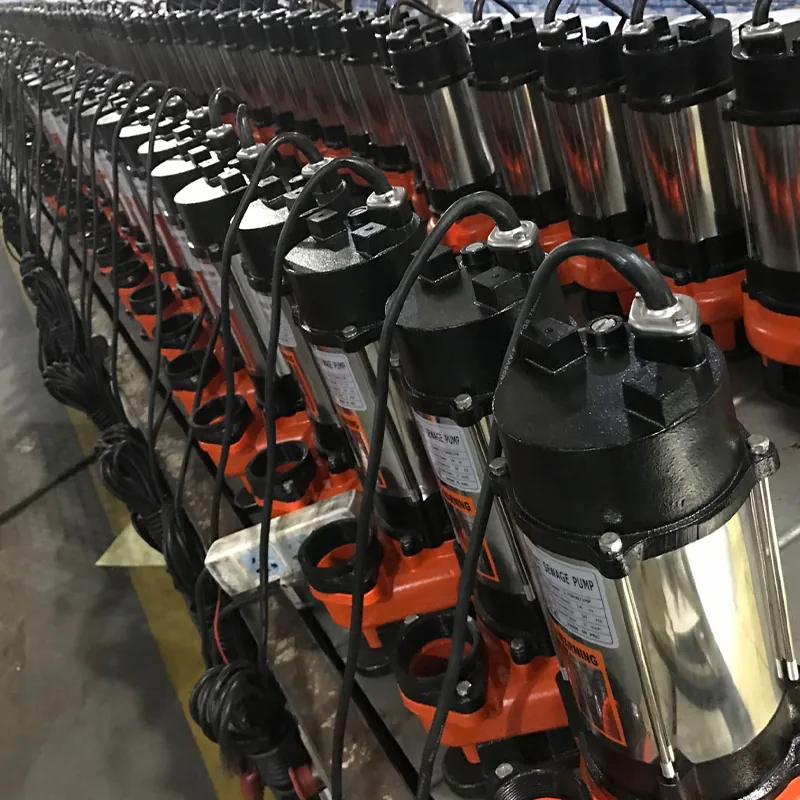
The Corrosion-Resistant Submersible Pump is a robust and durable solution engineered for demanding...
See Details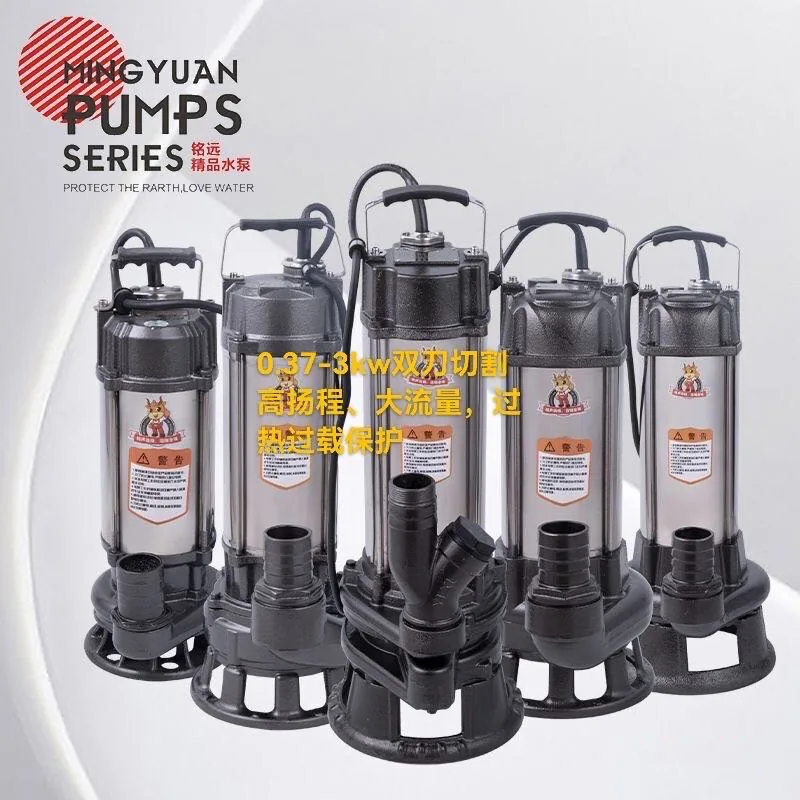
The Double Blade Cutting High Lift Overheat Protection Submersible Pump is an advanced solution...
See Details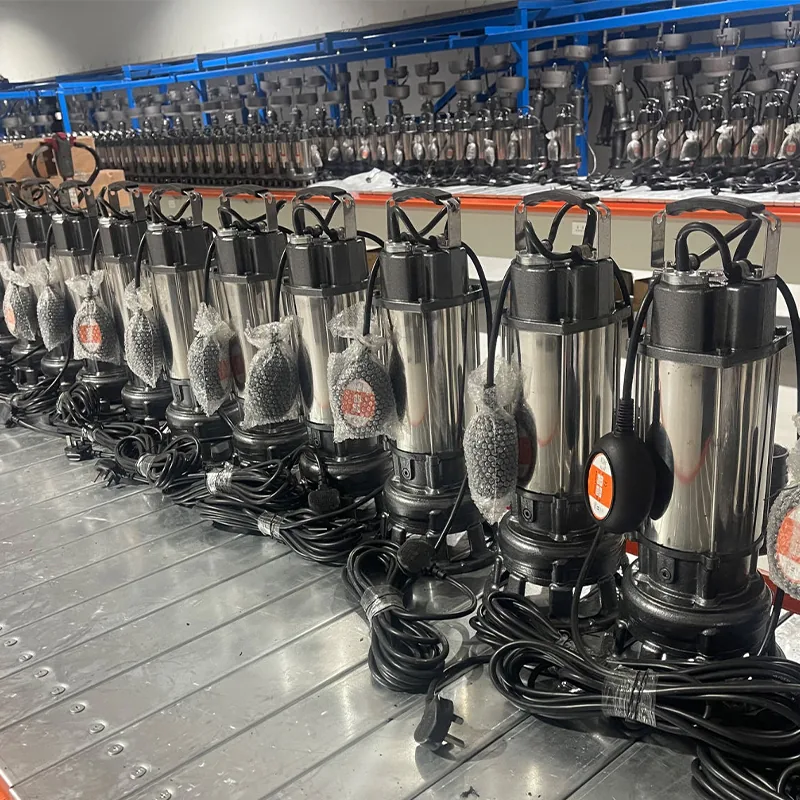
The Efficient High-Pressure Submersible Pump is a good solution engineered to meet the demanding...
See Details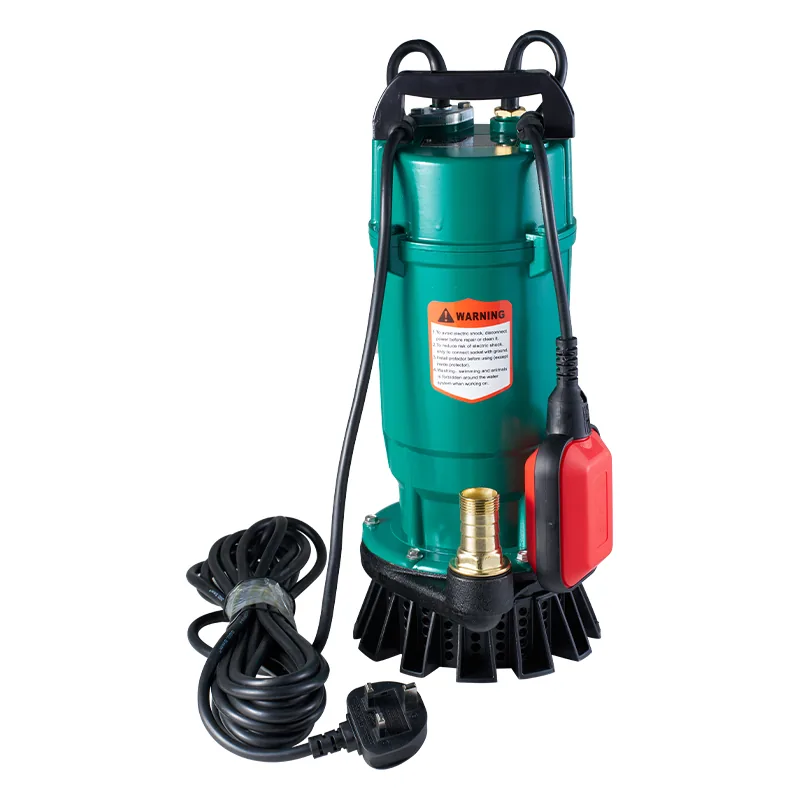
The Efficient Powerful Submersible Pump is a versatile and robust piece of equipment designed to...
See Details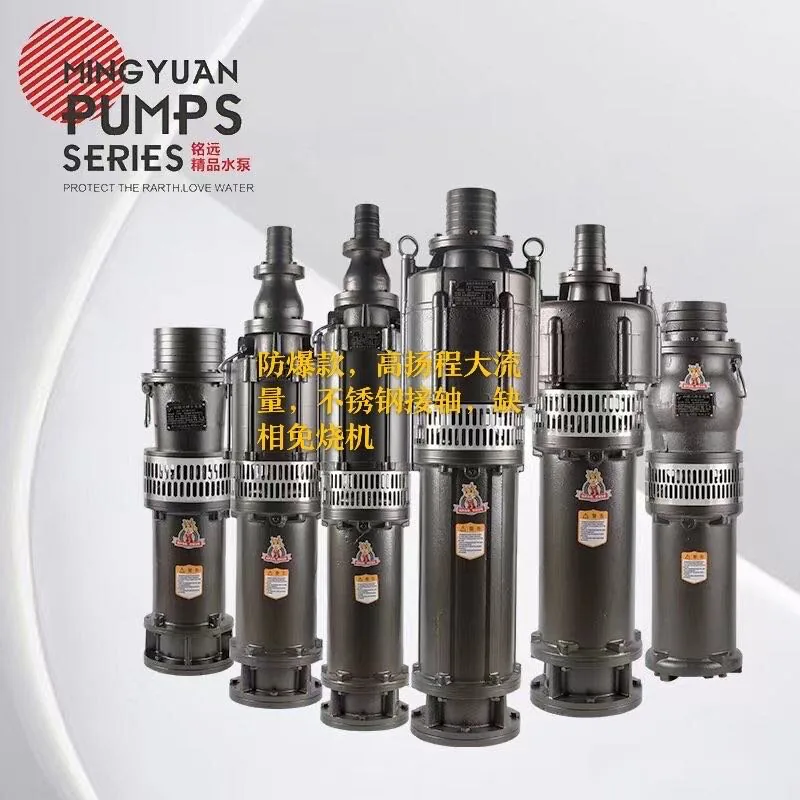
The Explosion-Proof Large Flow Phase-Loss Protection Submersible Pump is a robust and reliable...
See Details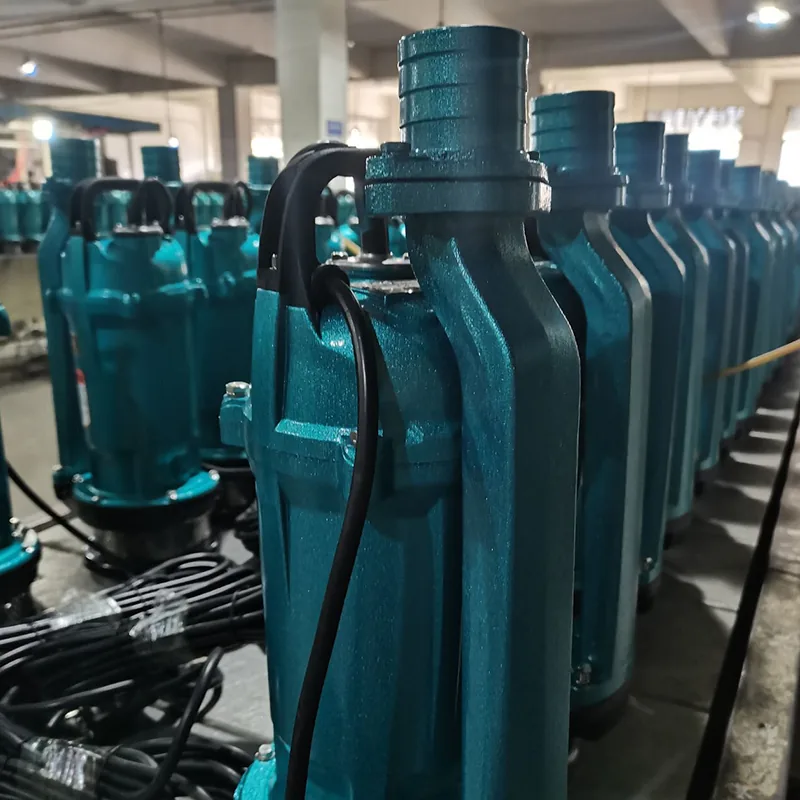
The Heavy-Duty Versatile Submersible Pump is engineered to meet the demanding needs of rural...
See Details