 English
 Español
 العربية
Corrosion-Resistant Submersible Pump for for Heavy-Duty Applications
The Corrosion-Resistant Submersible Pump is a robust and durable solution engineered for demanding...
See Details


A standard electric pump needs the grid. No power, no water. A solar pump runs on sunlight. Remote fields. Off-grid farms. Villages without electricity. A solar water pump factory produces pumps that work where wires do not reach. The pump is only half the system. Panels. Controller. Sometimes batteries. Here is what buyers need to know before ordering.
The pump runs on DC power from solar panels
A solar water pump factory makes two types. Submersible pumps go down a well. Surface pumps sit above ground. Both use DC motors. Solar panels produce DC power. No inverter needed. The pump runs when the sun shines.
The pump speed varies with sunlight. More sun, faster pumping. Less sun, slower pumping. Cloudy day, less water. Sunny day, more water.
A controller manages power between panels and pump
The controller is the brain. A solar water pump factory includes a controller with the pump. The controller starts the pump when there is enough sun. It stops the pump when the sun drops. It protects the pump from running dry.
Some controllers have MPPT (big Power Point Tracking). MPPT squeezes more power from the panels. The pump runs earlier in the morning. It runs later in the afternoon. More water per day.
Irrigation for remote farmland
A field has no power line. Running a line costs thousands. A solar water pump sits next to the well. Panels on a frame. The pump fills a tank. Gravity feeds the irrigation. No grid. No fuel. No monthly bill.
Livestock watering
Cattle need water. A pond dries up. A solar water pump pulls from a well. The water fills a trough. The cattle drink. The farmer checks the system once a week.
Village water supply
A village needs clean water. A solar water pump fills a storage tank. The tank feeds taps. The system runs unattended. No diesel. No generator fuel to haul.
Pump type matched to the water source
Submersible pumps go down the well. They push water up. A solar water pump factory offers submersibles for deep wells. The pump is underwater. Quiet. No priming.
Surface pumps sit above ground. They pull water from a pond or shallow well. A solar water pump factory offers surface pumps for shallow sources. The pump needs to be below the water level. Or it needs a foot valve to hold prime.
Here is what pump types are good for:
Flow rate and head requirements
Flow rate is liters per hour. Head is the vertical distance the pump lifts water. A solar water pump factory publishes pump curves. The curve shows flow at different heads.
A pump that moves 5,000 liters per hour at 10 meters head will move less at 20 meters head. Match the pump to your well depth and desired flow.
Panel sizing and compatibility
The pump needs enough panels. A solar water pump factory sells matched sets. Pump. Panels. Controller. The buyer does not need to size anything.
If the buyer already has panels, the pump needs to match. Voltage and power. A 48V pump needs 48V panels. A 72V pump needs 72V panels. Mismatch, and the pump does not run.
The pump runs dry and burns out
No water level sensor. The well runs low. The pump keeps running. The impeller spins in air. Heat builds. The motor burns. A solar water pump factory that skips the dry-run sensor ships pumps that die in the first dry season.
The controller fails in the heat
The controller sits outside. Sun bakes it. Cheap controllers have no heat protection. They shut down at 50 degrees. The pump stops. The water stops. The crops wilt.
The panels degrade quickly
Cheap panels lose power in a year or two. A solar water pump factory that uses low-grade panels ships a system that works fine on day one. A year later, the pump runs slower. The farmer gets less water. The panels need replacement.
The pump impeller wears from sand
Well water has sand. Sand grinds the impeller. A solar water pump factory using plastic impellers ships pumps that wear out. Nylon or stainless steel impellers last longer.
A solar water pump factory provides water where grid power does not exist. The right system runs for years with little maintenance.
Match the pump to your water source. Submersible for deep wells. Surface for ponds. Get the flow and head right. Buy the complete kit — pump, panels, controller. Look for dry-run protection. Heat-rated controllers. Quality panels. Durable impellers.
A cheap solar pump saves money upfront. It fails in a year. The farmer buys another. The total cost is higher. A good system costs more. It runs for a decade. The water keeps coming. The crops keep growing. The cattle stay hydrated.
Solar water pumping is proven technology. It works. But only if the components are quality. Choose your solar water pump factory carefully. Your water supply depends on it.
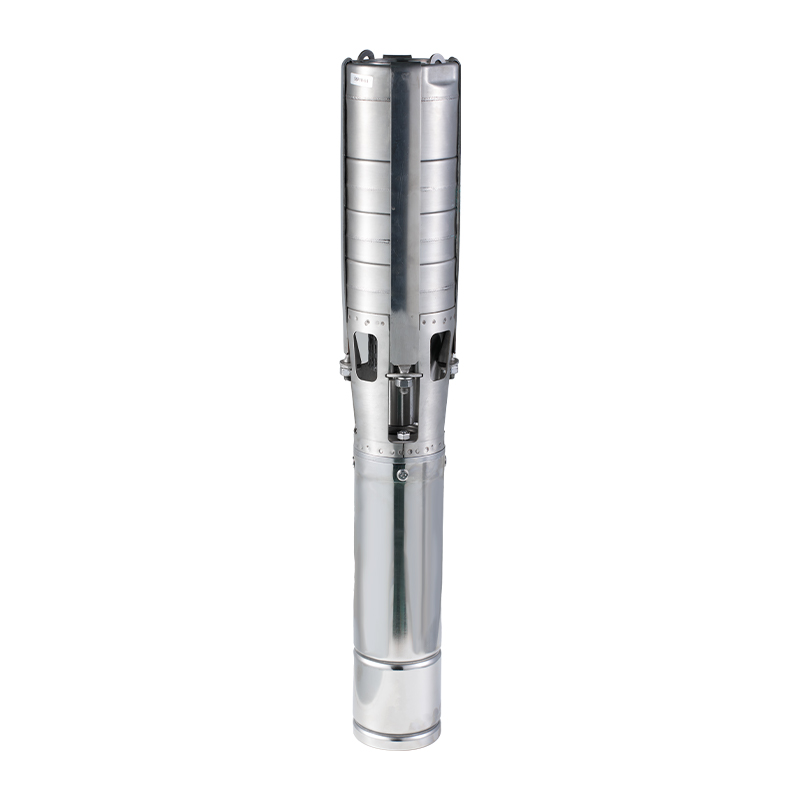
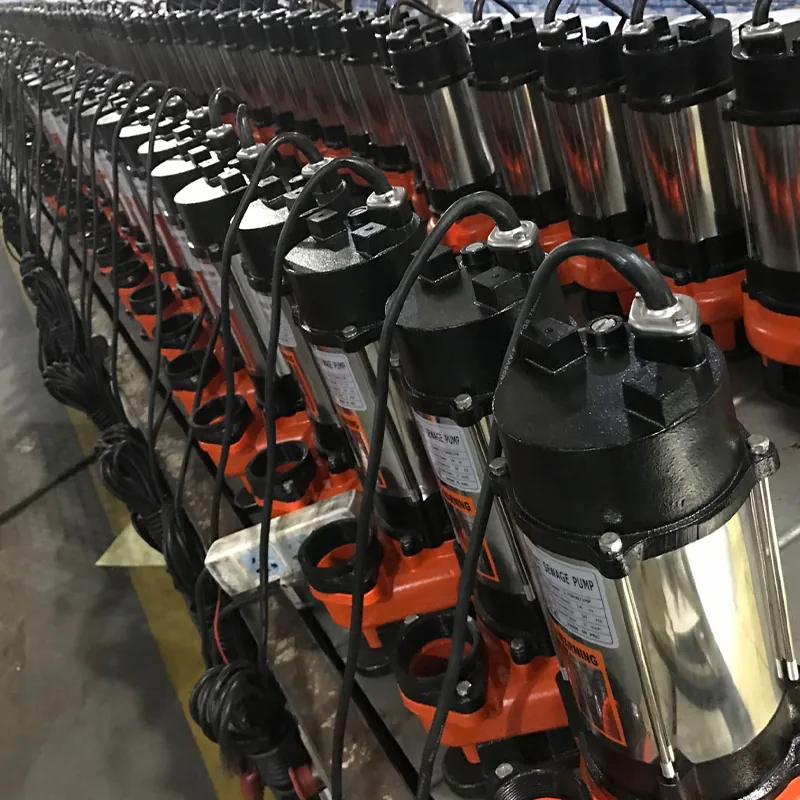
The Corrosion-Resistant Submersible Pump is a robust and durable solution engineered for demanding...
See Details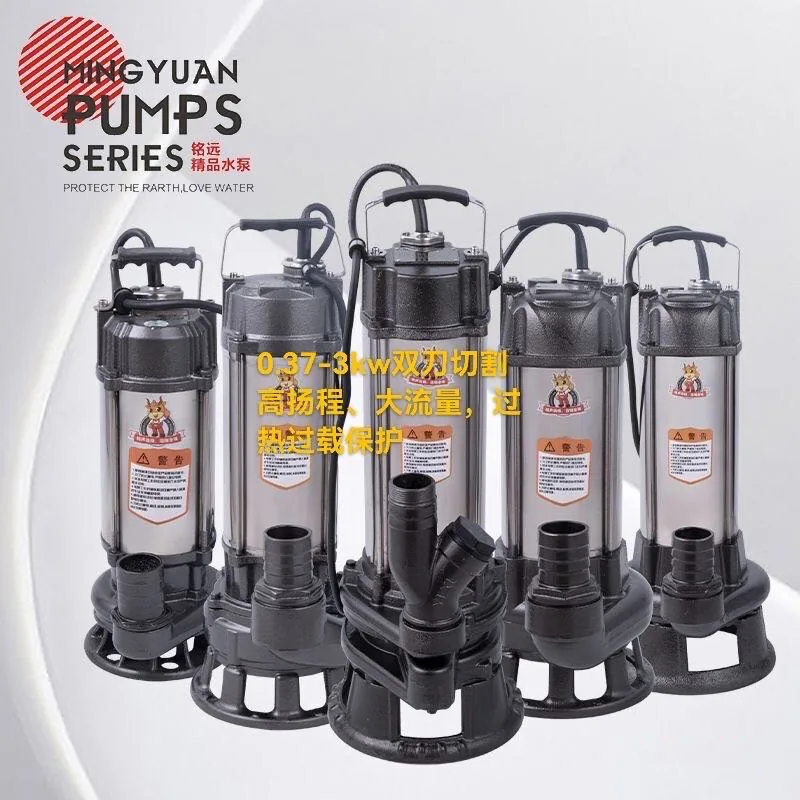
The Double Blade Cutting High Lift Overheat Protection Submersible Pump is an advanced solution...
See Details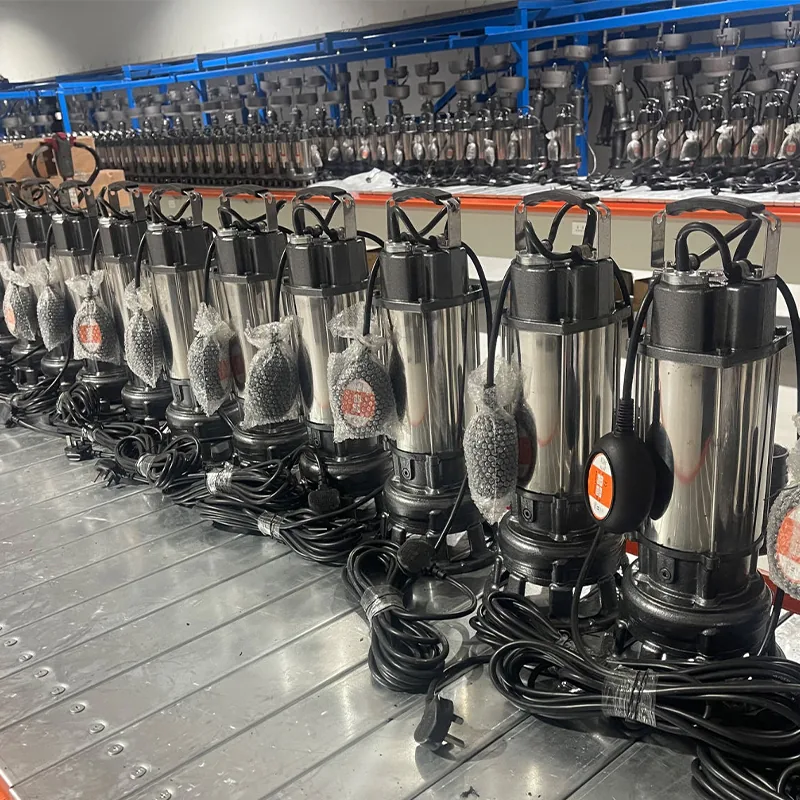
The Efficient High-Pressure Submersible Pump is a good solution engineered to meet the demanding...
See Details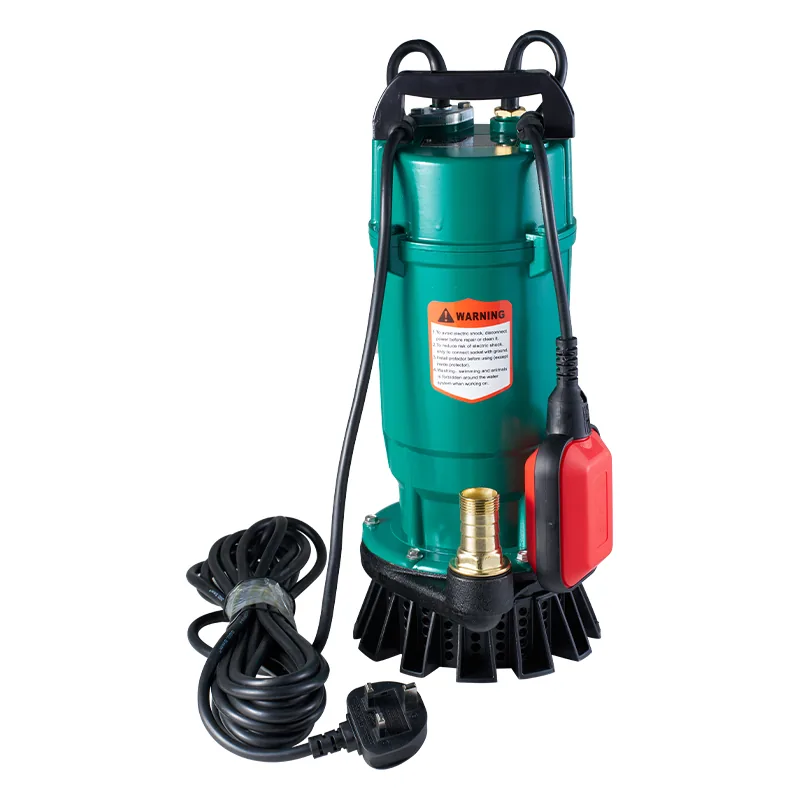
The Efficient Powerful Submersible Pump is a versatile and robust piece of equipment designed to...
See Details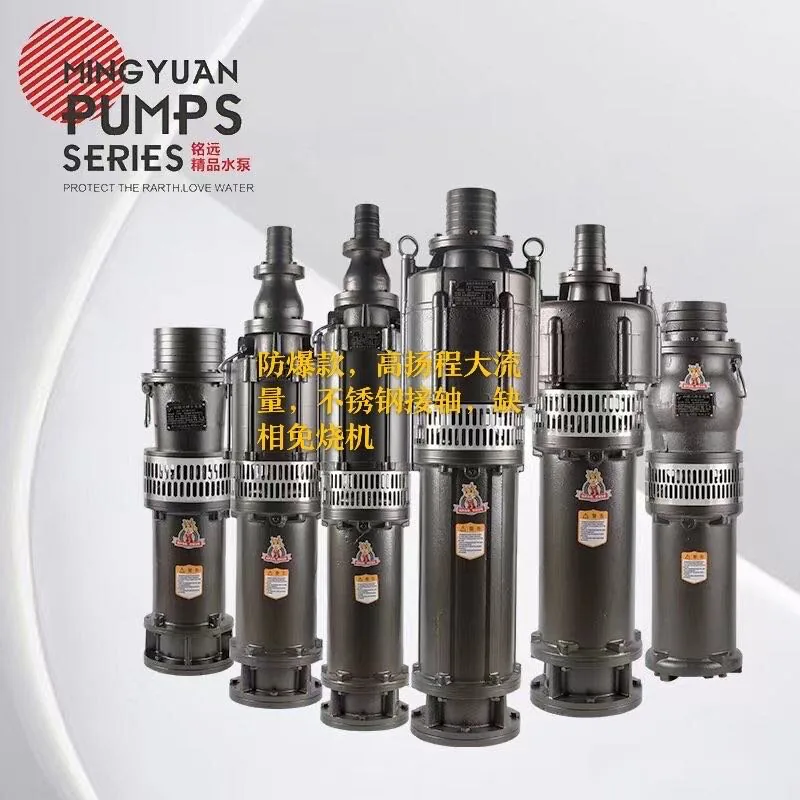
The Explosion-Proof Large Flow Phase-Loss Protection Submersible Pump is a robust and reliable...
See Details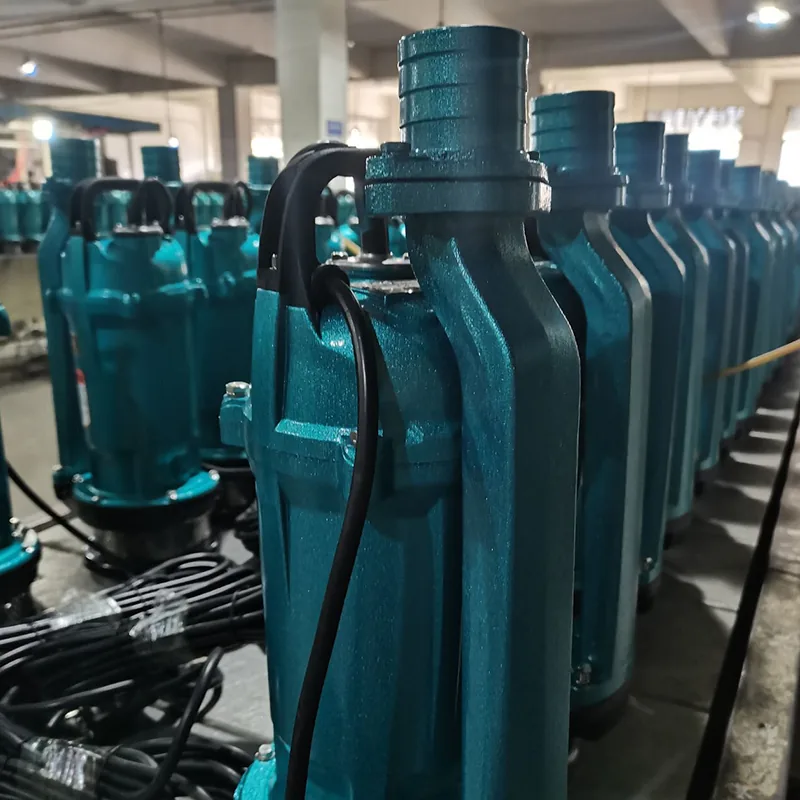
The Heavy-Duty Versatile Submersible Pump is engineered to meet the demanding needs of rural...
See Details