 English
 Español
SCM Dual-Motor Submersible Pump for Industrial and Agricultural Use
The Dual-Motor Submersible Pump is a versatile and robust solution eng...



A shallow well pump sits above ground. It pulls water up. It works for wells 25 feet deep or less. Go deeper, and it fails. A deep well pump goes down into the well. It pushes water up. It works for wells hundreds of feet deep. A deep well pump factory produces these pumps. Here is what buyers should know.
The pump sits underwater and pushes water to the surface
A deep well pump is a submersible pump. The motor and pump are at the bottom of the well. The pump pushes water up the pipe. No suction. No priming. The pump works in deep wells.
The pump is attached to a drop pipe. The pipe goes from the pump to the surface. Water flows up the pipe. The pump runs. Water comes out.
The motor is sealed to keep water out
The motor runs underwater. It needs to be sealed. A deep well pump has a sealed motor housing. Water cannot get in. The motor stays cool from the surrounding water.
The electrical connections are waterproof. The power cable runs down the well. The cable connects to the motor.
Stainless steel is common for deep well pumps
Stainless steel resists corrosion. It handles the minerals in well water. A deep well pump with stainless steel components lasts for years. The pump body, motor housing, and impellers are stainless.
Cast iron for some components
Some pumps use cast iron for the motor housing. Cast iron is strong. It is less expensive than stainless. It can rust. A deep well pump with cast iron parts is for less corrosive water.
Thermoplastic for lightweight pumps
Some pumps use thermoplastic for the impellers and diffusers. They are lighter. They cost less. They wear out faster. A deep well pump with thermoplastic parts is for lower volume use.
Here is how materials compare:
Flow rate and head pressure
Flow rate is gallons per minute. Head pressure is the vertical distance the pump pushes water. A deep well pump needs to match the well depth and water demand.
A pump that moves 10 GPM at 100 feet head is different from one that moves 10 GPM at 300 feet head. The pump curve shows the relationship. Match the pump to your well.
Motor horsepower
The motor needs enough power to push water to the surface. A shallow well pump uses 1/2 HP. A deep well pump might use 1 HP, 2 HP, or more. A deep well pump with 5 HP pushes water from 500 feet.
Here is what horsepower does:
Pump diameter
The pump has to fit inside the well casing. Standard well casing is 4 inches, 6 inches, or 8 inches. A deep well pump for a 4-inch well is slim. The pump diameter is less than 4 inches. A 6-inch well uses a larger pump.
Control box
The motor has a control box at the surface. It houses the start capacitor and overload protection. A deep well pump with a reliable control box starts every time. The box protects the motor from damage.
A deep well pump factory produces pumps that move water from deep wells. The pumps are submersible. They push water up. They run for years. Match the pump to your well depth. Flow rate, head pressure, and horsepower matter. A good pump delivers water reliably. A bad pump fails. Your well goes dry. Your crops wilt. Your house has no water. That is not worth the savings. Choose the right pump for your well. Your water supply depends on it.
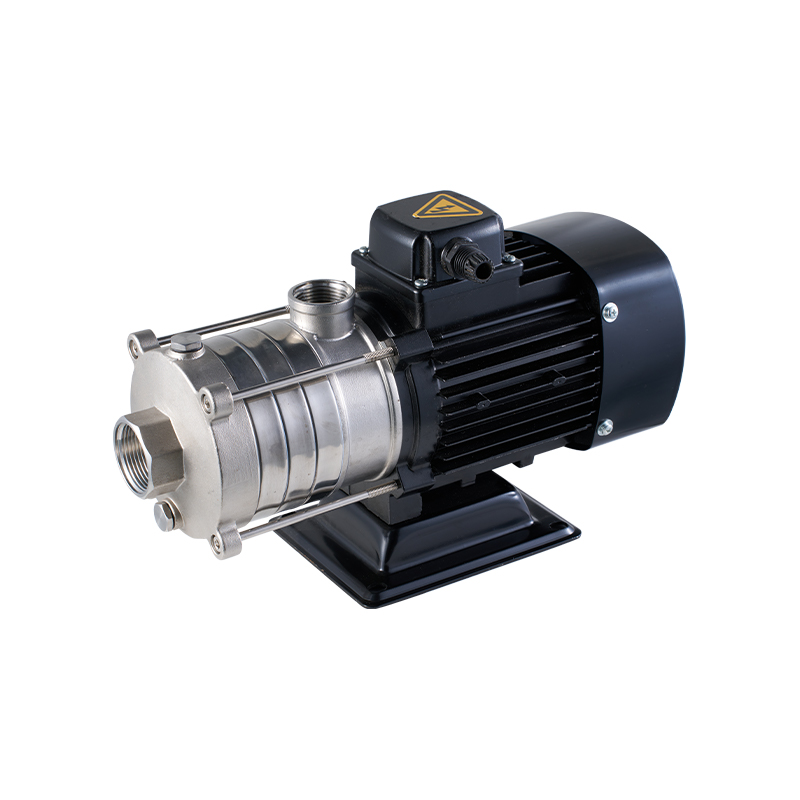
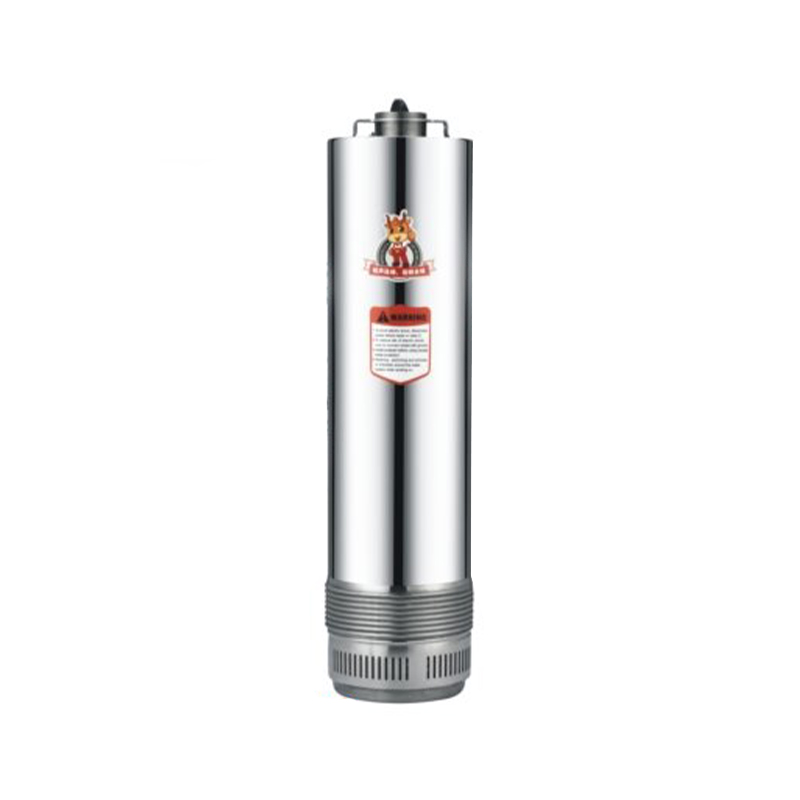
The Dual-Motor Submersible Pump is a versatile and robust solution eng...
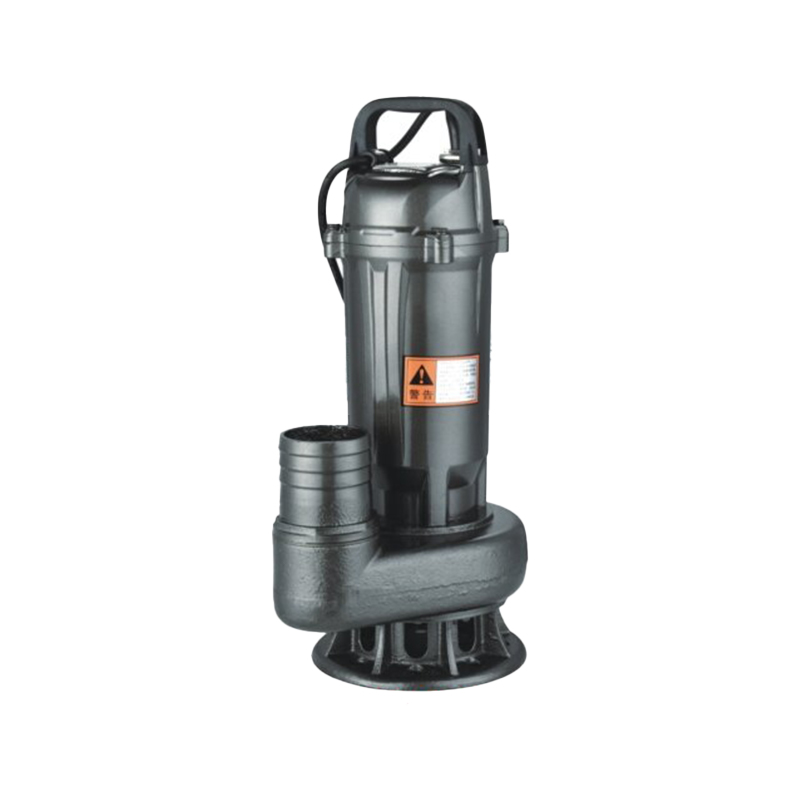
The Lightweight Submersible Pump is an efficient, user-friendly soluti...
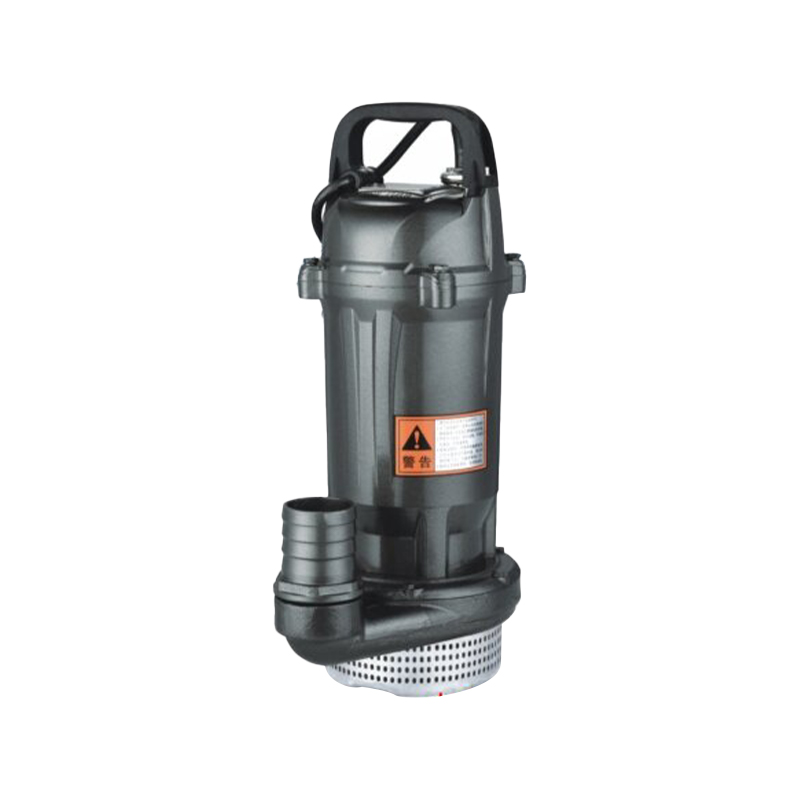
The User-Friendly Submersible Pump is an innovative solution designed ...
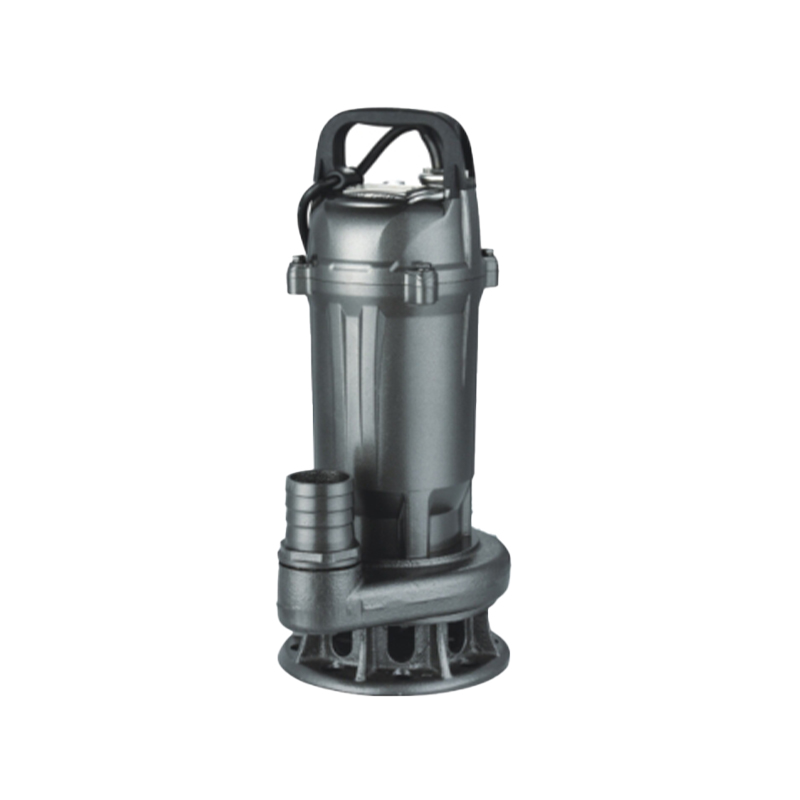
The Robust Submersible Sewage Pump is engineered to excel in the deman...
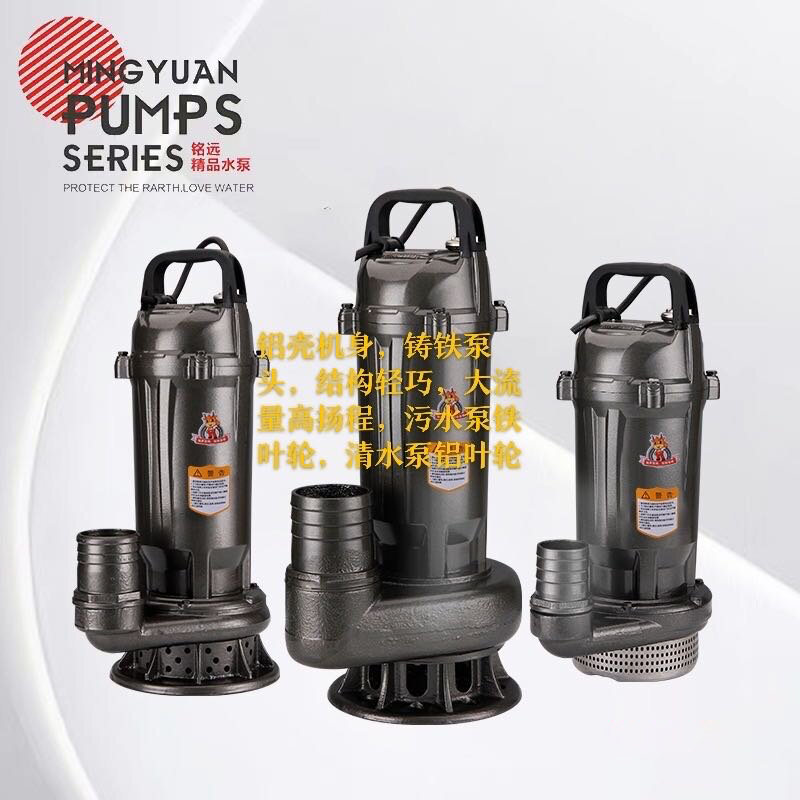
The Cast Iron Pump Head Light Structure High Head Submersible Sewage P...
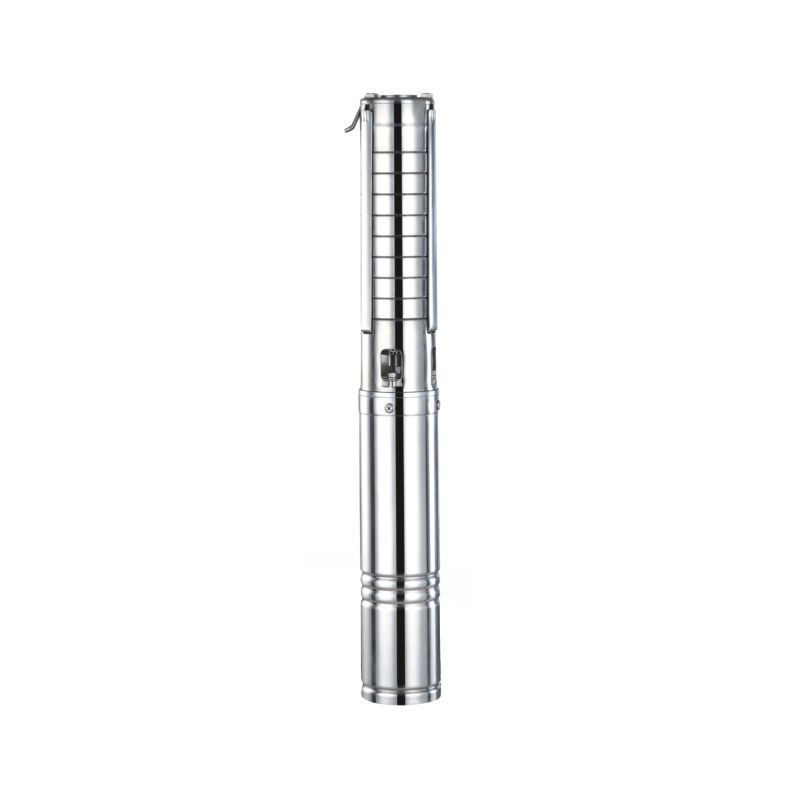
The Deep Well Pump is a robust and versatile solution engineered to me...
Copyright © Zhejiang MingYuan Pump Co., Ltd. All Rights Reserved

Industrial Water Pump Manufacturer