 English
 Español
 العربية
Corrosion-Resistant Submersible Pump for for Heavy-Duty Applications
The Corrosion-Resistant Submersible Pump is a robust and durable solution engineered for demanding...
See Details


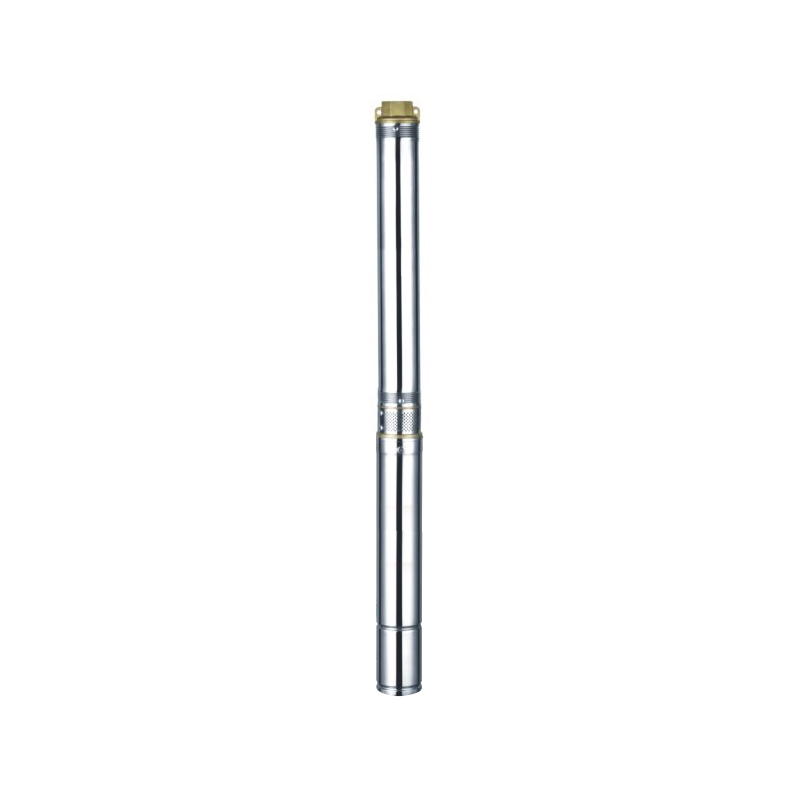
For manufacturers, producing a Deep Well Pump involves more than assembling components. It requires precise engineering, quality materials, and adherence to standards to ensure long-term performance. Understanding how deep well pumps are designed and produced helps procurement teams select reliable suppliers and make informed purchasing decisions.
A deep well pump consists of three main parts: the pump bowl at the well bottom, the column assembly that guides the shaft, and the discharge head at the surface. Each component is carefully engineered to ensure efficiency and durability.
Modern manufacturers often integrate automated machining and quality inspection to maintain consistent tolerances and reduce defects.
These factors differentiate reliable manufacturers and provide procurement teams with confidence in product performance.
B2B buyers often require pumps for specific industries:
Manufacturers can customize materials, motor types, and accessories to meet the exact requirements of each sector.
When sourcing deep well pumps from manufacturers, buyers should assess:
Evaluating these factors helps companies select suppliers who can provide high-quality, consistent products.
Manufacturers enhance product reliability through:
These practices demonstrate professionalism and increase buyer confidence in the product.
From a manufacturing perspective, a Deep Well Pump is a combination of engineering, material science, and quality control. For procurement teams and B2B buyers, choosing pumps from a reputable manufacturer ensures reliable water extraction, durability, and long-term operational efficiency.
By focusing on manufacturing excellence, custom solutions, and thorough testing, suppliers can meet the diverse needs of agriculture, industry, and municipal water systems, providing value to every buyer.
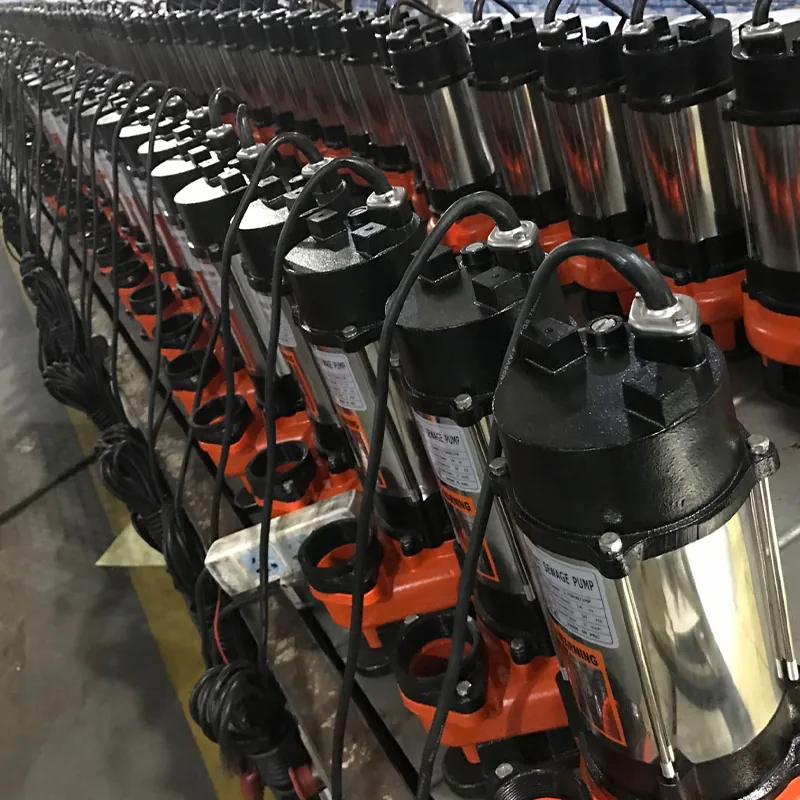
The Corrosion-Resistant Submersible Pump is a robust and durable solution engineered for demanding...
See Details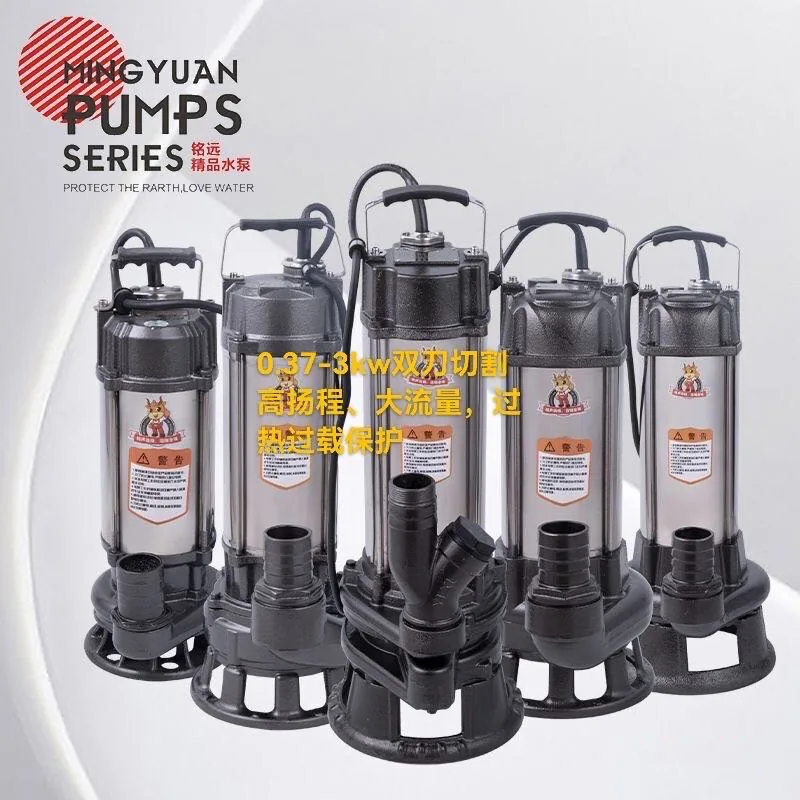
The Double Blade Cutting High Lift Overheat Protection Submersible Pump is an advanced solution...
See Details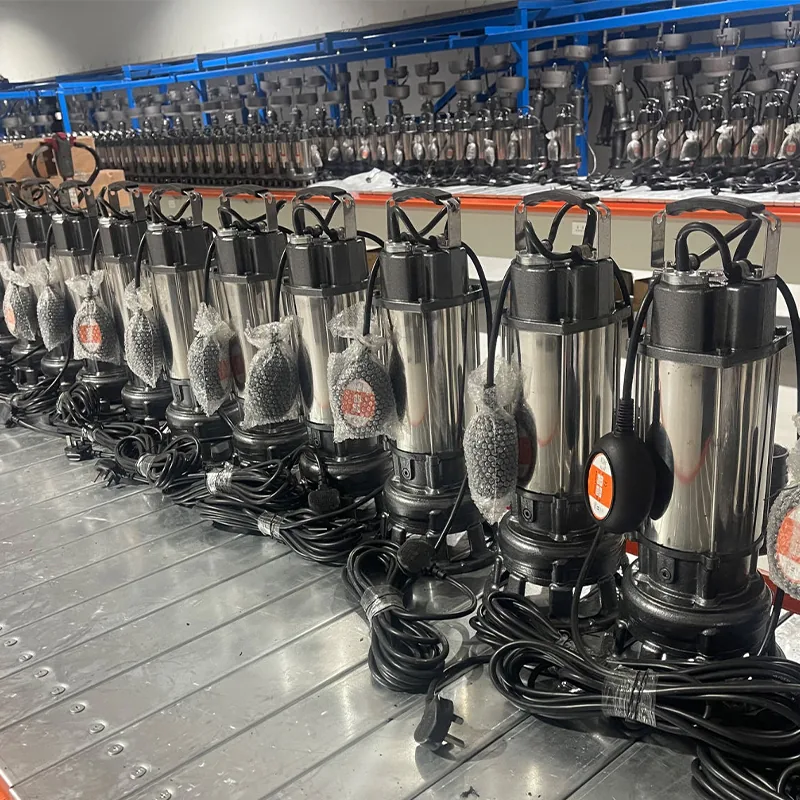
The Efficient High-Pressure Submersible Pump is a good solution engineered to meet the demanding...
See Details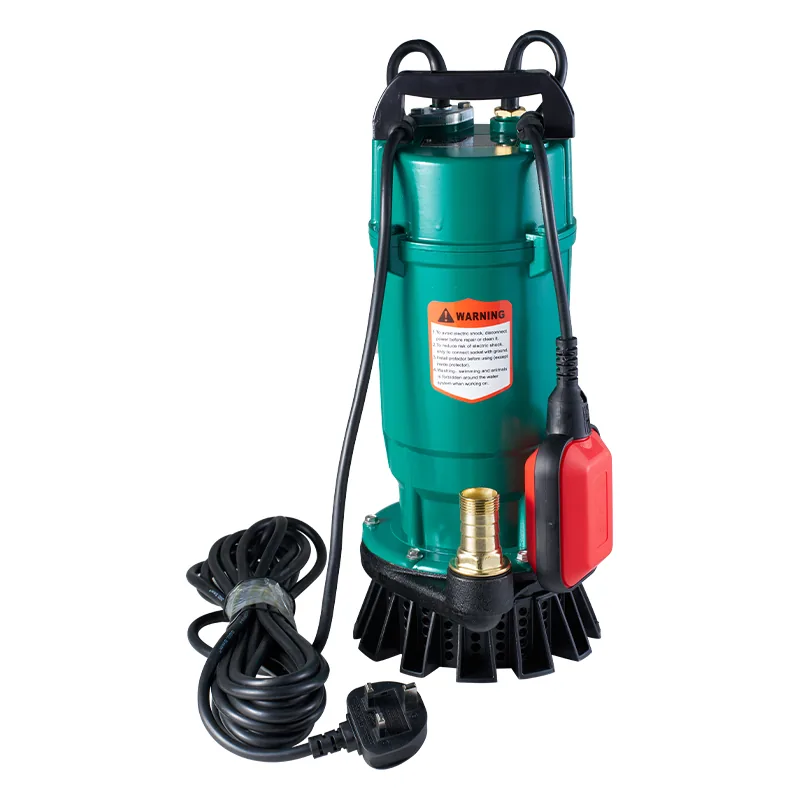
The Efficient Powerful Submersible Pump is a versatile and robust piece of equipment designed to...
See Details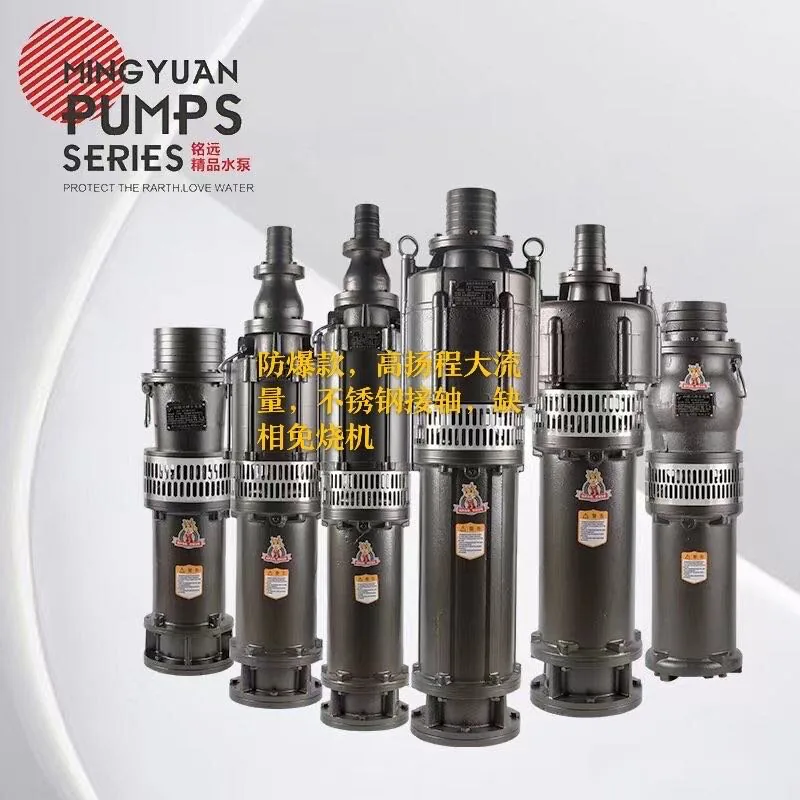
The Explosion-Proof Large Flow Phase-Loss Protection Submersible Pump is a robust and reliable...
See Details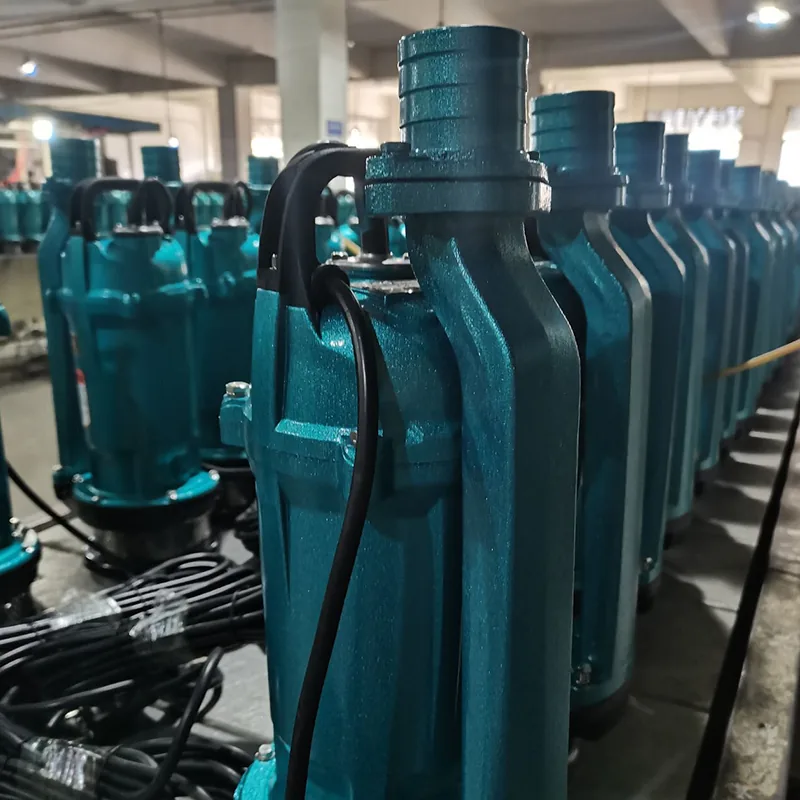
The Heavy-Duty Versatile Submersible Pump is engineered to meet the demanding needs of rural...
See Details