 English
 Español
 العربية
Corrosion-Resistant Submersible Pump for for Heavy-Duty Applications
The Corrosion-Resistant Submersible Pump is a robust and durable solution engineered for demanding...
See Details


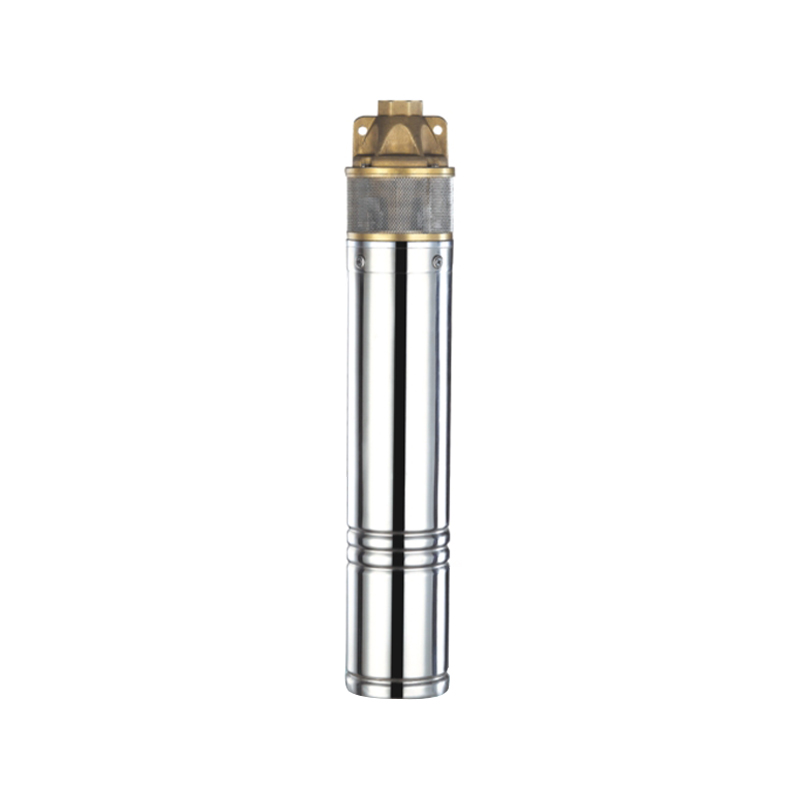
Deep well pumps are vital for supplying water in agriculture, industry, and municipal applications. Behind these essential systems are deep well pump factories, which focus on producing durable, high-performance pumps. Examining the manufacturing processes reveals how these factories maintain precision, reliability, and long-term operational efficiency.
A deep well pump factory begins with selecting materials suited for demanding conditions. Stainless steel, cast iron, and corrosion-resistant alloys are commonly used for components such as shafts, impellers, and casings. Raw materials are inspected for consistency, strength, and durability. Preparing these materials—through processes like heat treatment, cleaning, and machining—ensures that each component meets the strict requirements needed for long-lasting performance.
Precision machining is a cornerstone of production in a deep well pump factory. Castings are shaped and finished to exact tolerances, while impellers are balanced to reduce vibration. CNC machines and automated tools help maintain consistency across multiple units. Each part is carefully checked for dimensional accuracy, surface smoothness, and structural integrity before assembly. These steps are critical to prevent operational issues such as leaks, excessive wear, or inefficiency.
After machining, components are assembled with a focus on alignment and stability. Impellers, shafts, bearings, and seals are fitted to ensure smooth rotation and minimal friction. Deep well pump factories often use precision jigs and fixtures during assembly to maintain uniformity across production. Handles, couplings, and motor mounts are added based on pump specifications, ensuring the finished product meets both performance and installation standards.
Testing is essential in a deep well pump factory to guarantee operational reliability. Pumps undergo flow rate evaluation, pressure tests, vibration checks, and sometimes thermal endurance trials. Dimensional and material inspections complement functional testing, confirming that each pump meets design standards. This thorough quality assurance process ensures that pumps operate efficiently in real-world conditions and reduces the risk of failures after deployment.
Many deep well pump factories provide customization options. Pumps can be tailored for specific water depths, flow rates, or installation conditions. Material coatings, motor types, and impeller designs can also be adjusted to match customer requirements. Such flexibility allows the factory to serve diverse markets, including irrigation, industrial cooling, and municipal water supply projects.
Deep well pump factories often incorporate design features that simplify maintenance. Modular components, accessible bearings, and standardized parts allow for easier repairs and replacements. Factory guidance on lubrication, periodic inspection, and part replacement extends pump life and ensures consistent performance. Attention to maintenance during the design and manufacturing stages helps reduce downtime and operational costs for end users.
Deep well pump factories play a vital role in delivering reliable water solutions across various sectors. By combining careful material selection, precision machining, meticulous assembly, rigorous testing, and customization, these factories produce pumps that meet demanding performance and durability standards. Integrating maintenance considerations into the manufacturing process ensures that pumps remain efficient and long-lasting, supporting agriculture, industry, and municipal water systems around the world.
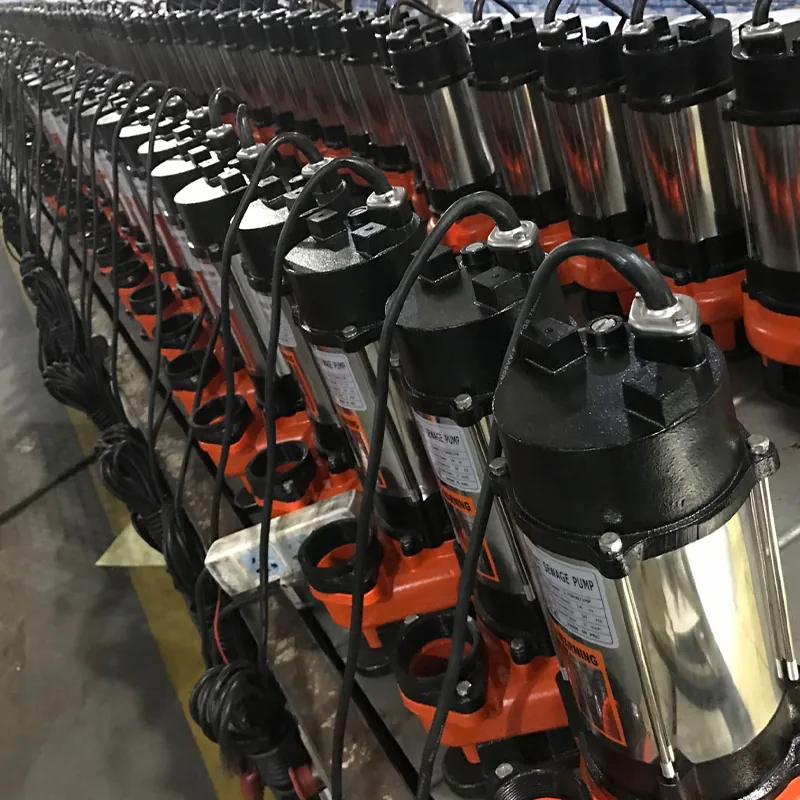
The Corrosion-Resistant Submersible Pump is a robust and durable solution engineered for demanding...
See Details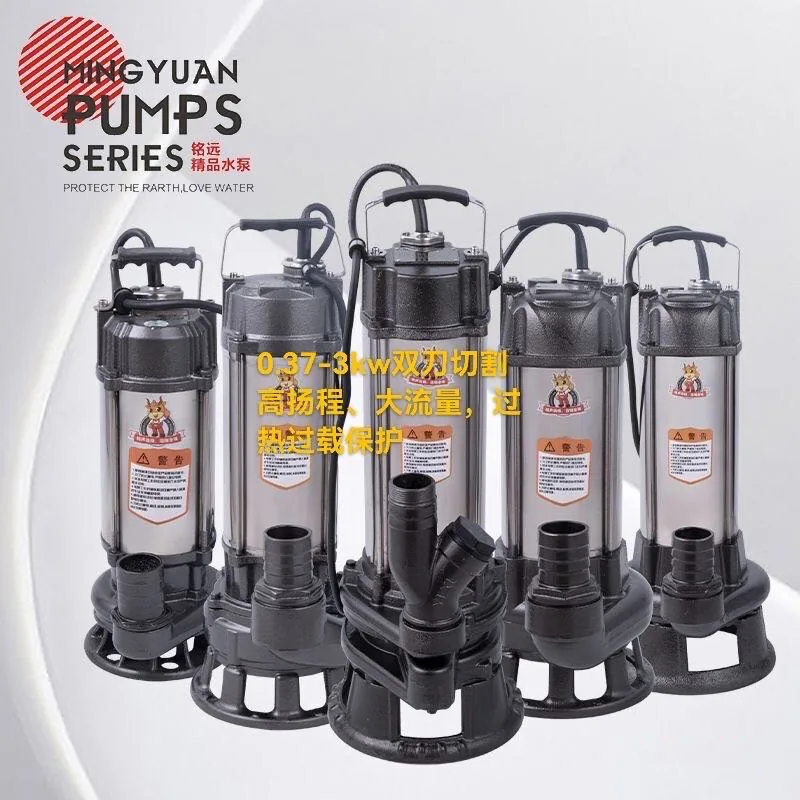
The Double Blade Cutting High Lift Overheat Protection Submersible Pump is an advanced solution...
See Details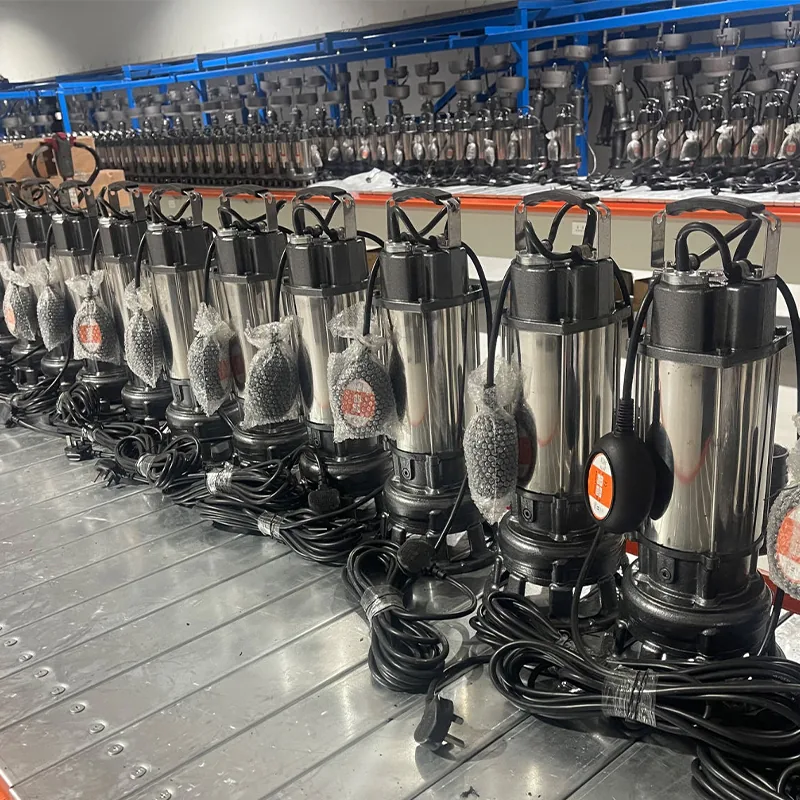
The Efficient High-Pressure Submersible Pump is a good solution engineered to meet the demanding...
See Details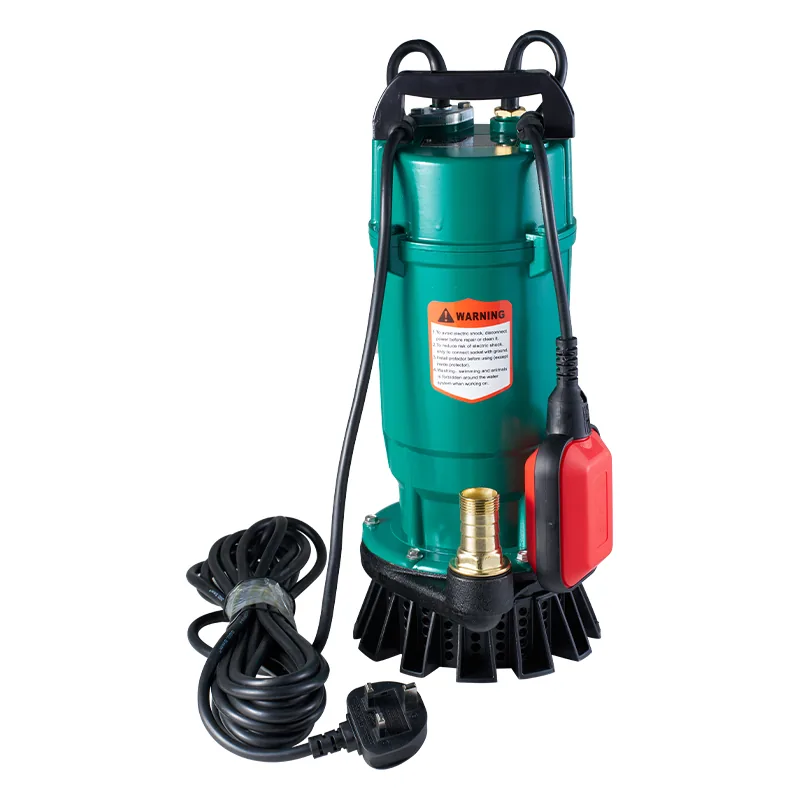
The Efficient Powerful Submersible Pump is a versatile and robust piece of equipment designed to...
See Details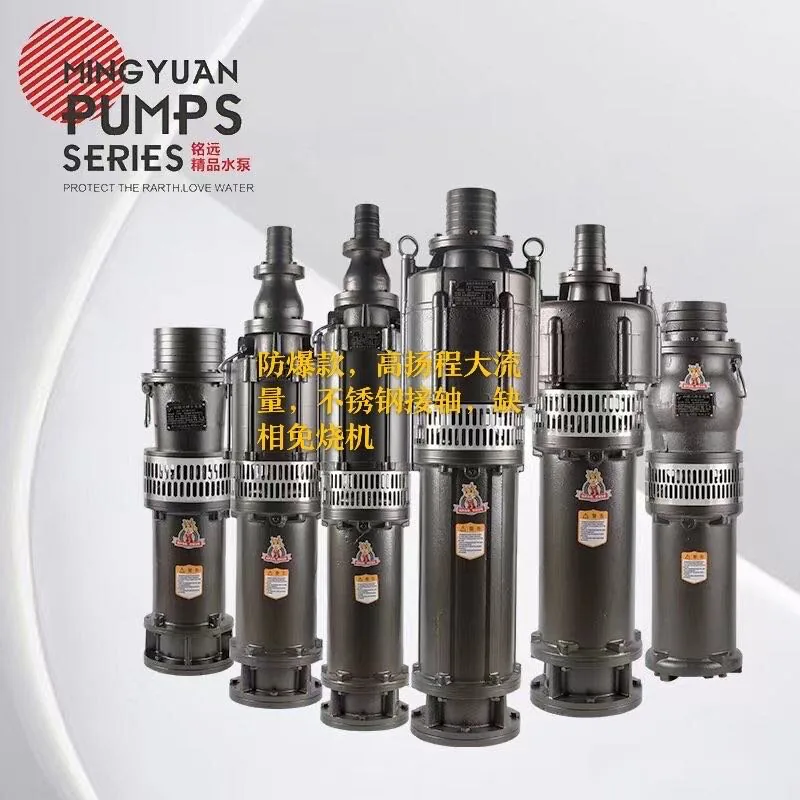
The Explosion-Proof Large Flow Phase-Loss Protection Submersible Pump is a robust and reliable...
See Details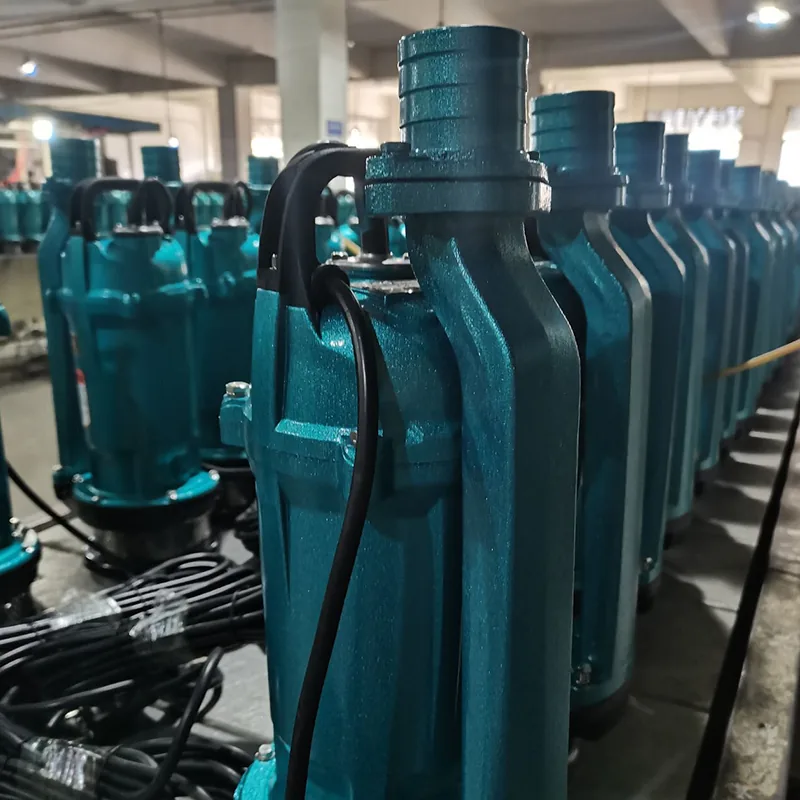
The Heavy-Duty Versatile Submersible Pump is engineered to meet the demanding needs of rural...
See Details