 English
 Español
High Head Large Flow Stainless Steel Shaft Submersible Pump
The High Head Large Flow Stainless Steel Shaft Submersible Pump is an ...



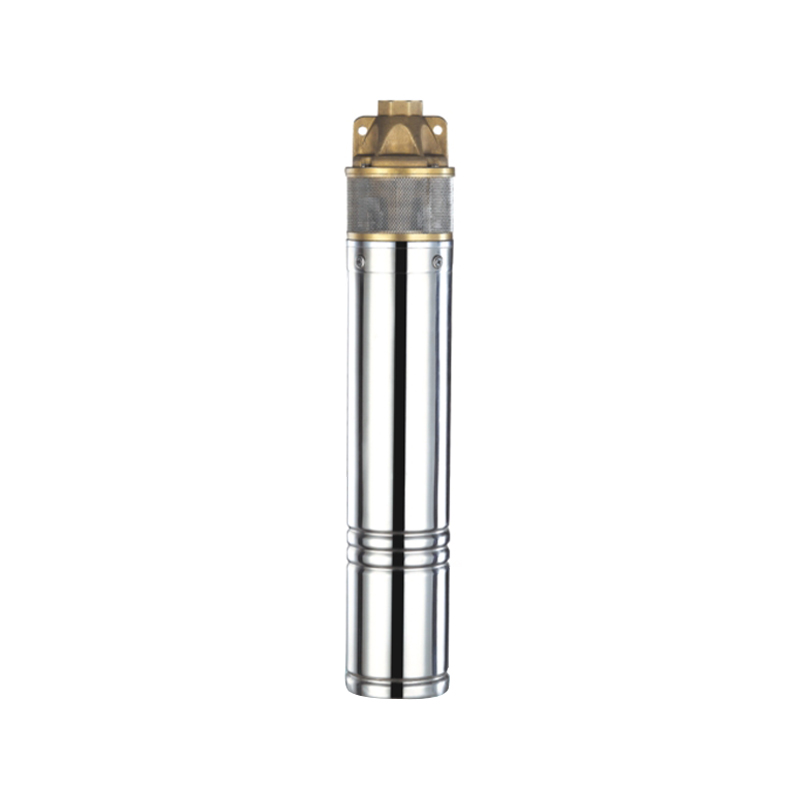
Accessing water from deep underground requires equipment that can operate under significant pressure and varying water quality. A Deep Well Pump is designed for this purpose, providing consistent water flow for agricultural irrigation, municipal supply, industrial use, and more. Understanding how these pumps function helps engineers and project managers select the right model for specific applications.
A Deep Well Pump is intended for wells where water cannot be reached by conventional surface pumps. Typical applications include:
These pumps are capable of operating over extended periods while handling variations in water pressure and temperature, which makes them suitable for both heavy-duty and continuous-use scenarios. They are often part of larger systems that include pressure tanks, valves, and monitoring equipment, ensuring steady supply without interruption.
The design of a Deep Well Pump focuses on efficiency and durability. Key elements include:
Modern pumps also include features like vibration reduction and noise dampening, which improve reliability in residential or sensitive industrial environments. These design enhancements ensure that pumps remain effective even under varying load conditions.
A Deep Well Pump typically undergoes a multi-step production process to ensure reliability:
Structured quality control also includes endurance testing to predict long-term behavior, helping engineers anticipate maintenance schedules and minimize operational downtime.
Not all wells are identical, and a Deep Well Pump often requires customization. Adjustments may include:
Customization helps prevent damage and ensures long-term functionality in varying environments. It also allows pumps to operate efficiently with different control systems, such as variable frequency drives, which optimize performance under fluctuating demand.
Installing a Deep Well Pump requires careful attention to well conditions, water chemistry, and system pressure. Proper alignment, secure coupling, and regular inspection of seals and bearings are crucial. Maintenance planning is simplified when the pump design allows easy access to key components, reducing downtime and extending service life. Periodic cleaning of the intake screen and monitoring for vibration or unusual noise ensures consistent operation.
Ultimately, a Deep Well Pump is a central element in ensuring consistent water availability. It bridges the gap between underground water sources and practical usage, supporting agriculture, industry, and municipal infrastructure. Selecting and maintaining the right pump improves system reliability, reduces operational disruptions, and helps maintain stable water delivery over time. In many cases, combining the pump with monitoring sensors allows early detection of performance issues, further safeguarding water supply.
A Deep Well Pump is more than just machinery—it is a critical tool for projects that depend on deep water extraction. From design and materials to testing and maintenance, attention to detail ensures that the pump performs reliably under challenging conditions. Professionals who understand these factors can make informed decisions, ensuring long-term stability for water supply systems.
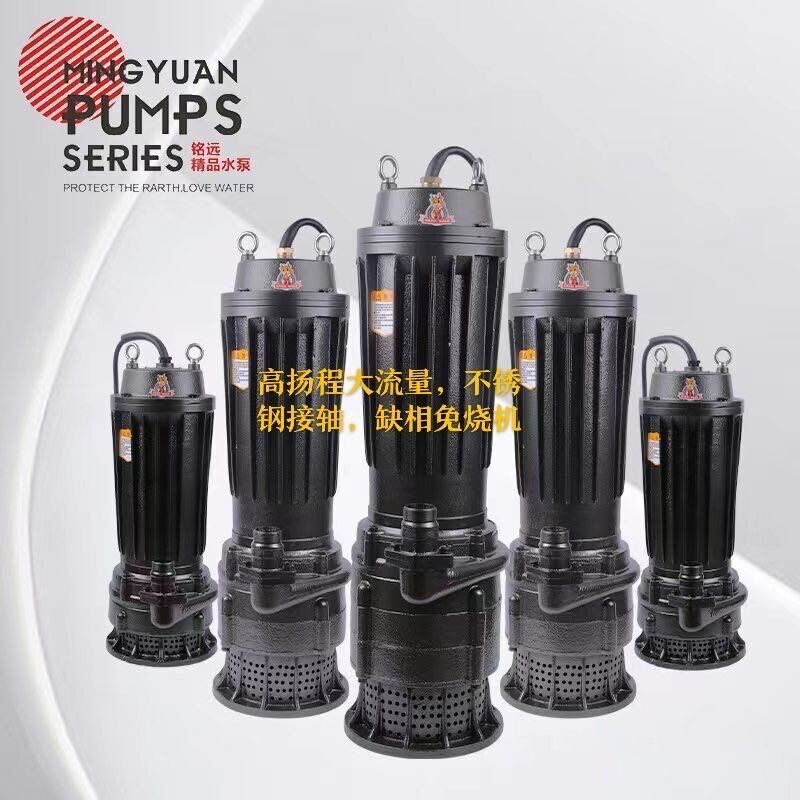
The High Head Large Flow Stainless Steel Shaft Submersible Pump is an ...
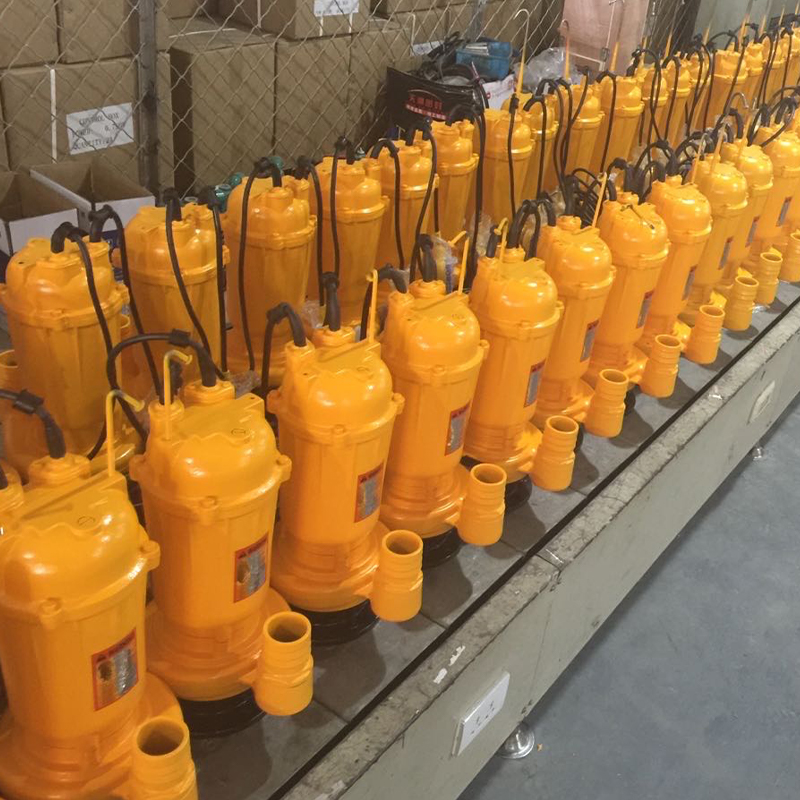
The Robust Submersible Pump is an engineered solution designed to meet...

Crafted for sustainability and efficiency, our Environmentally Friendl...
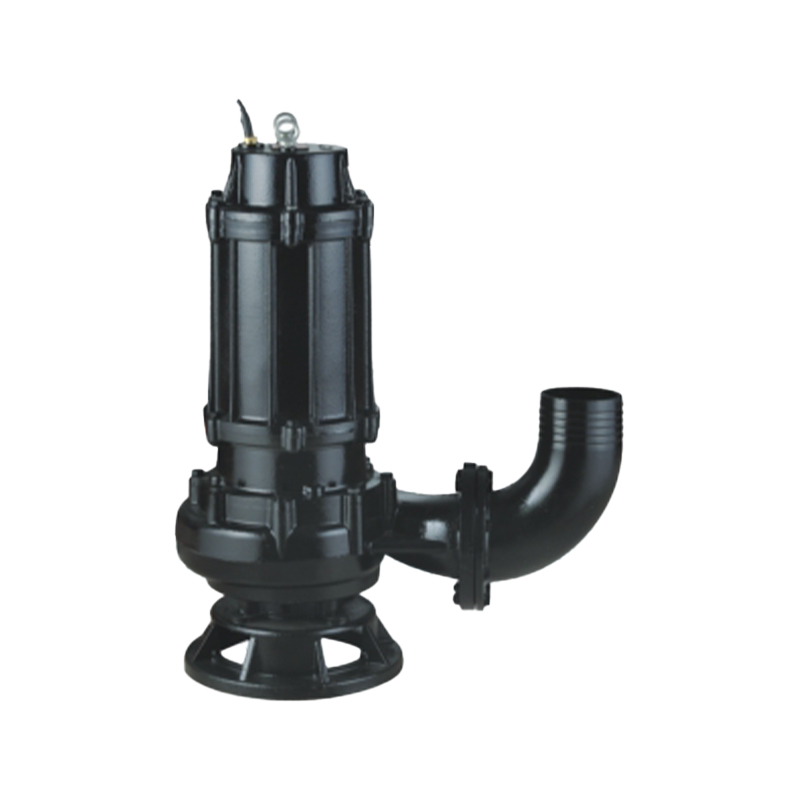
The Heavy-Duty Submersible Sewage Pump is engineered to excel in the d...
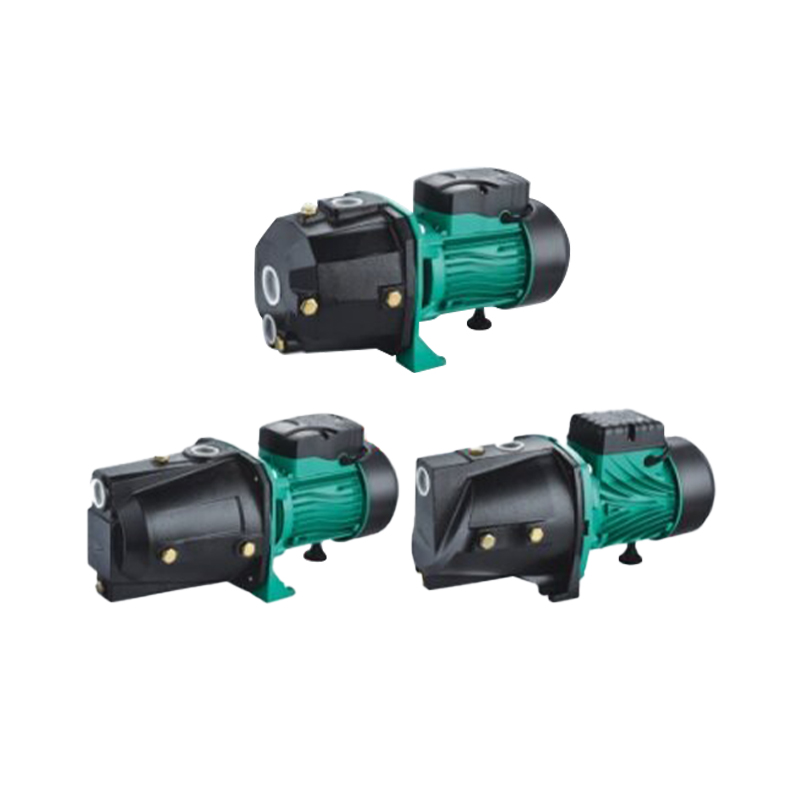
Transform your outdoor watering tasks with the effortless efficiency o...

Crafted for durability and efficiency, this stainless steel deep well ...
Copyright © Zhejiang MingYuan Pump Co., Ltd. All Rights Reserved

Industrial Water Pump Manufacturer