 English
 Español
 العربية
Corrosion-Resistant Submersible Pump for for Heavy-Duty Applications
The Corrosion-Resistant Submersible Pump is a robust and durable solution engineered for demanding...
See Details


As solar-powered solutions continue to shape water management in agriculture, households, and remote infrastructure, many buyers want to understand where these systems come from and how they are made. A Solar Water Pump Factory is not just a place where equipment is assembled; it is a space where engineering, material selection, and practical field needs come together. Understanding how such a factory operates can help project planners, distributors, and end users make more informed decisions.
In regions with limited grid access, solar water pumps are often used for irrigation, livestock watering, and community water supply. A Solar Water Pump Factory responds to this demand by focusing on stable production processes and adaptable product designs. Instead of relying on fuel or grid electricity, these pumps use solar energy, which reduces long-term operating costs and lowers dependency on external energy sources.
Manufacturers also need to consider varying sunlight conditions, water depths, and daily usage cycles. This means that factories often produce multiple pump configurations to suit shallow wells, deep wells, and surface water applications.
Inside a Solar Water Pump Factory, production usually starts with technical design and component sourcing. Engineers select motors, controllers, and pump bodies that can work efficiently under outdoor conditions. Corrosion resistance, heat tolerance, and long service life are key considerations.
Assembly lines are often divided into stages:
A Solar Water Pump Factory typically tests flow rate, pressure, and startup behavior before packaging. These steps help reduce field issues after installation.
Quality control plays a central role in a Solar Water Pump Factory, especially because many pumps are installed in locations where maintenance access is limited. Factories often simulate real-world conditions such as fluctuating voltage and varying water levels. This allows technicians to identify potential issues early.
Rather than focusing on abstract performance claims, manufacturers emphasize consistency and reliability. Clear labeling, traceable components, and basic documentation are often part of the quality process.
Products from a Solar Water Pump Factory are used in a wide range of scenarios. In agriculture, they support irrigation systems for small farms and greenhouses. In rural communities, they provide drinking water where infrastructure is still developing. Some pumps are also used in environmental projects such as wetland restoration or water circulation systems.
Because usage conditions vary, factories usually offer options in power range, material choice, and mounting style. This flexibility helps distributors match products to local project needs.
A Solar Water Pump Factory contributes to sustainability not only through the products themselves but also through manufacturing choices. Many factories aim to reduce waste, improve energy use within production, and extend product lifespan through thoughtful design.
Long service life means fewer replacements and lower material consumption over time. For users, this translates into predictable operation and reduced maintenance planning.
When choosing a Solar Water Pump Factory as a supplier or partner, it helps to look beyond pricing. Factors such as production capacity, testing standards, communication efficiency, and after-sales support all matter. Clear technical specifications and realistic delivery schedules often reflect a factory's operational maturity.
Visiting the production site or reviewing sample test reports can also provide insight into how seriously quality is treated.
A Solar Water Pump Factory plays a quiet but important role in expanding access to water through renewable energy. By understanding how these factories operate, buyers and project planners can better align product selection with real-world needs. In the long run, thoughtful manufacturing and practical design help solar water pumps remain a reliable option for diverse water supply challenges.
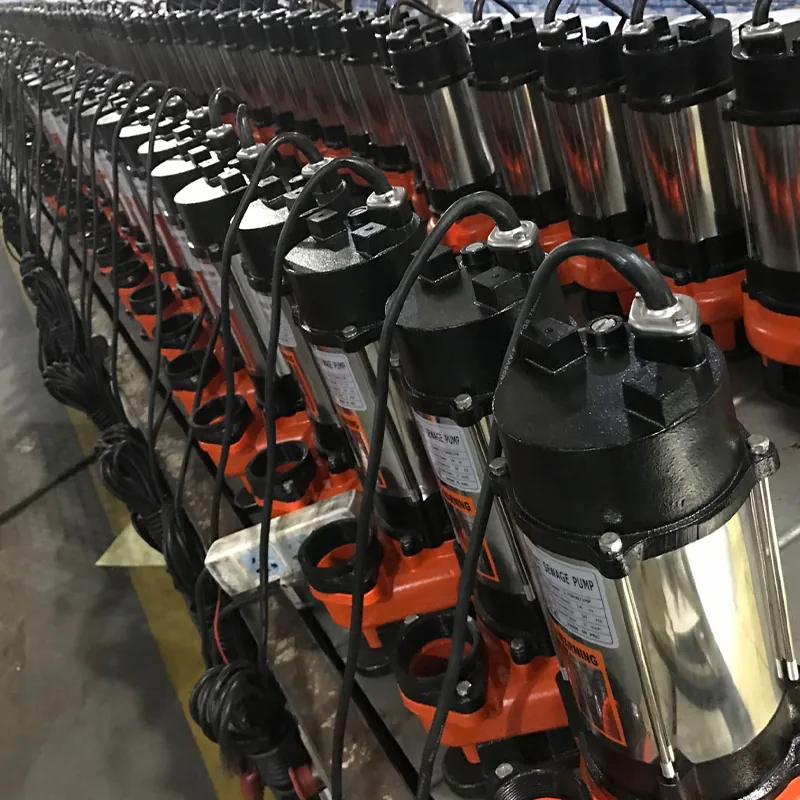
The Corrosion-Resistant Submersible Pump is a robust and durable solution engineered for demanding...
See Details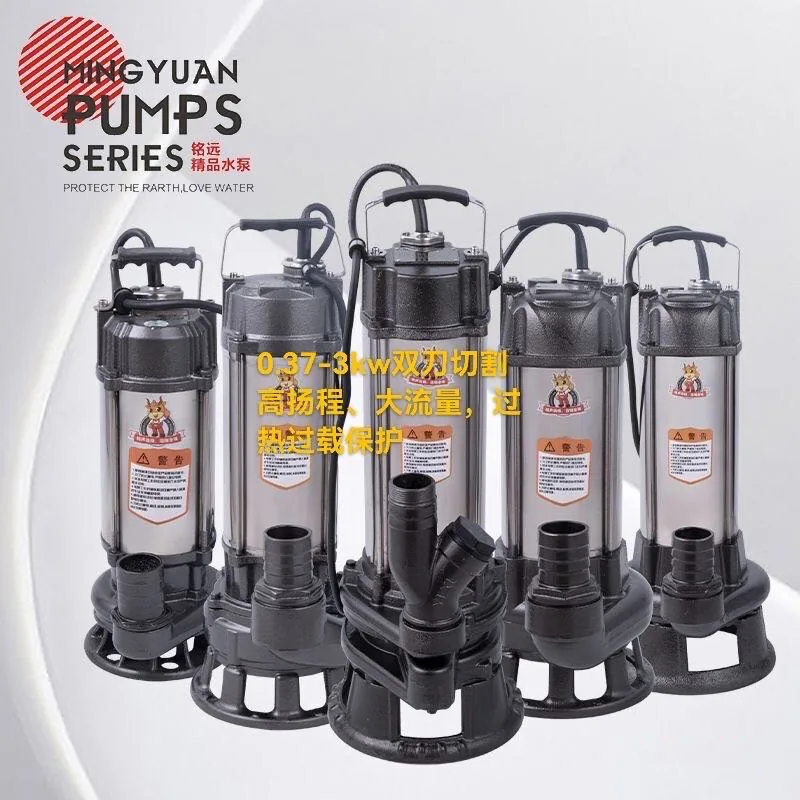
The Double Blade Cutting High Lift Overheat Protection Submersible Pump is an advanced solution...
See Details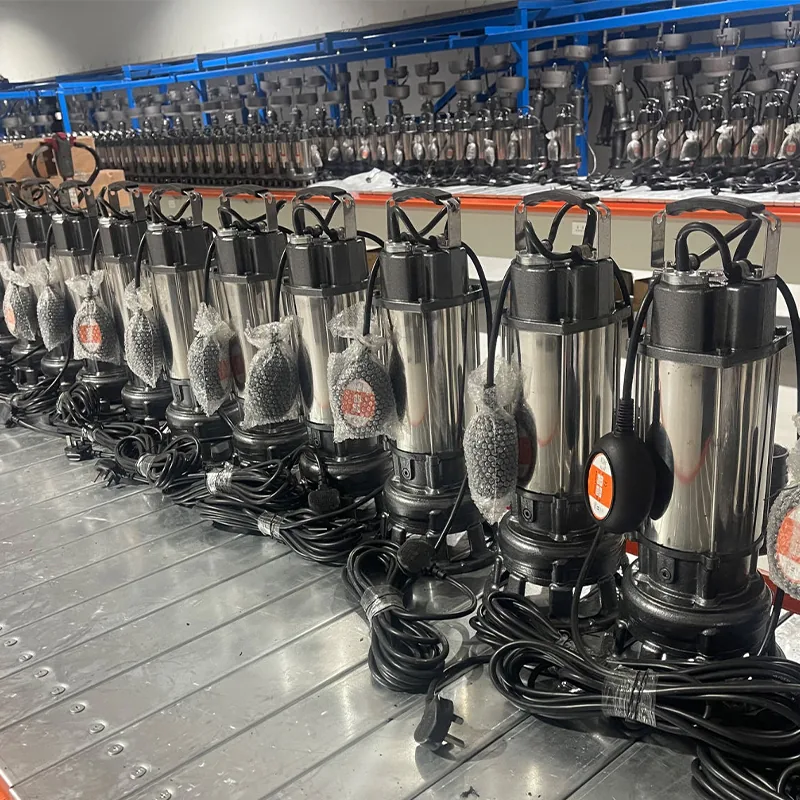
The Efficient High-Pressure Submersible Pump is a good solution engineered to meet the demanding...
See Details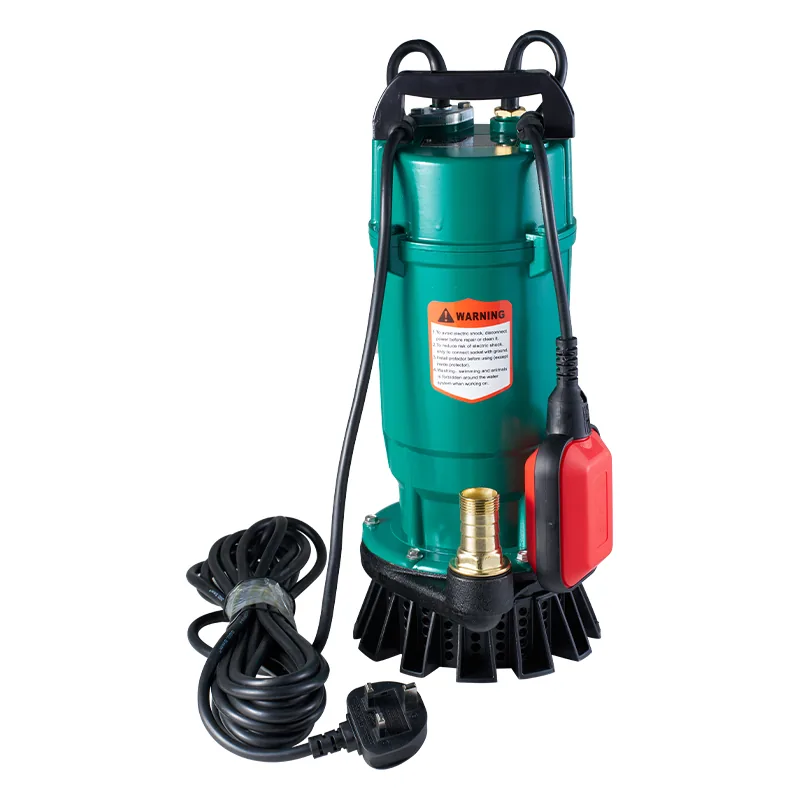
The Efficient Powerful Submersible Pump is a versatile and robust piece of equipment designed to...
See Details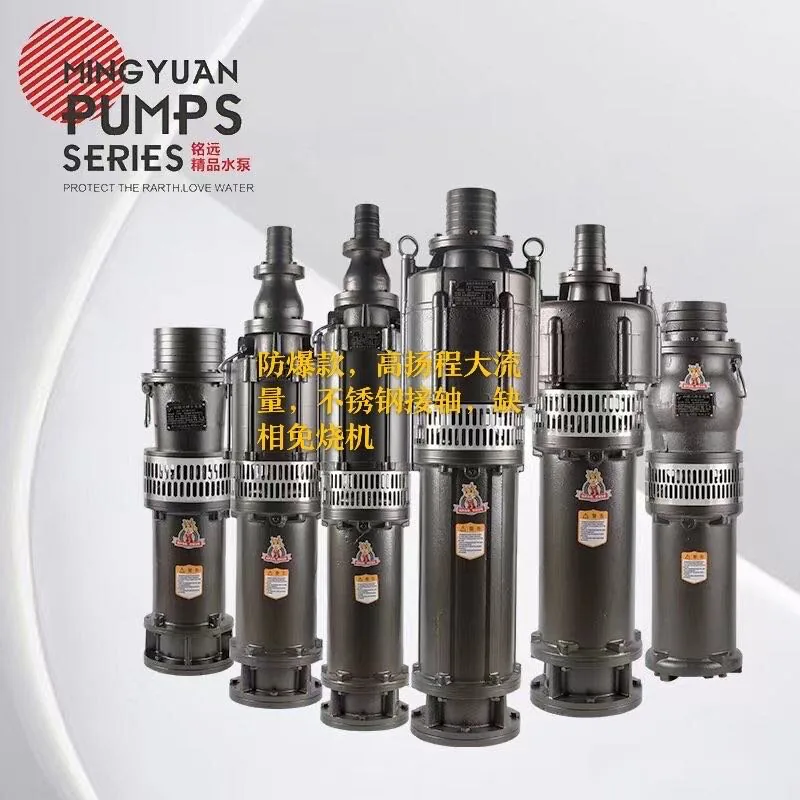
The Explosion-Proof Large Flow Phase-Loss Protection Submersible Pump is a robust and reliable...
See Details
The Heavy-Duty Versatile Submersible Pump is engineered to meet the demanding needs of rural...
See Details