 English
 Español
 العربية
Corrosion-Resistant Submersible Pump for for Heavy-Duty Applications
The Corrosion-Resistant Submersible Pump is a robust and durable solution engineered for demanding...
See Details


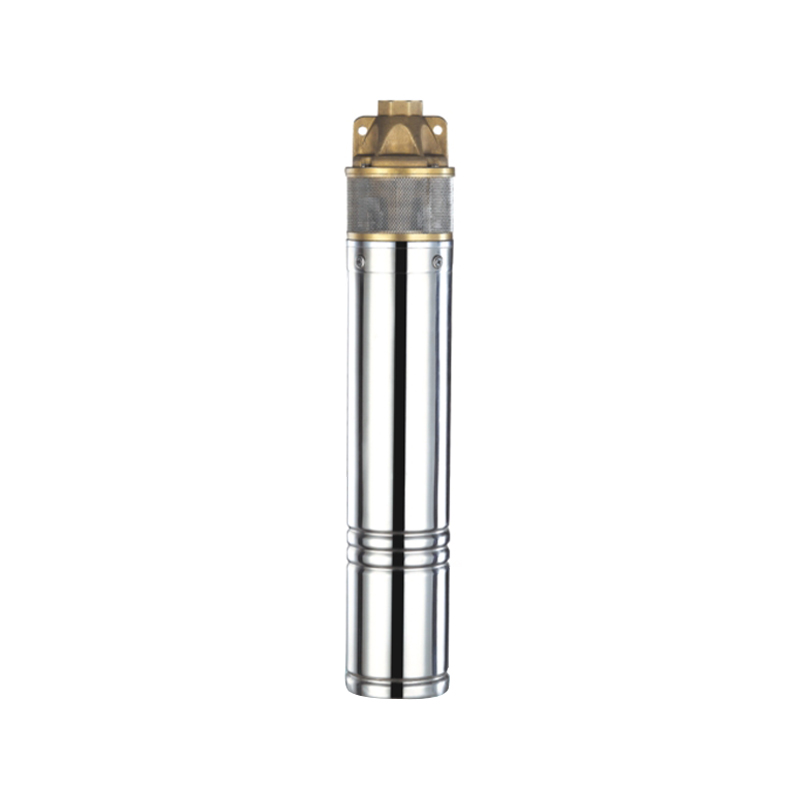
Accessing water from deep underground sources requires specialized equipment. A Deep Well Pump is designed to lift water from wells that are significantly deeper than typical domestic water systems. This type of pump is widely used in agriculture, industry, municipal water supply, and irrigation projects where reliable water delivery is critical.
Deep Well Pumps operate efficiently in wells ranging from tens to hundreds of meters deep, depending on the model. Their design ensures that water can be transported vertically without losing pressure or flow consistency, even in demanding conditions.
A Deep Well Pump typically includes a motor, a pump bowl, and a vertical column assembly. The motor, often located at the surface, drives a shaft connected to an impeller at the bottom of the well. As the impeller rotates, water is drawn into the pump bowl and pushed upward through the column to the discharge point.
The pump's components are engineered to withstand continuous operation under high load and pressure conditions. Materials are chosen to resist corrosion, wear, and the effects of sediment or mineral content commonly found in well water.
Deep Well Pumps are versatile tools used in various sectors. In agriculture, they provide irrigation water to crops over large fields, ensuring consistent supply even during dry periods. In industrial settings, they supply process water for cooling, manufacturing, and cleaning operations.
Municipal water systems also rely on Deep Well Pumps to deliver water to communities from underground aquifers. By providing a dependable water source, these pumps support both residential and commercial water needs.
One of the key advantages of a Deep Well Pump is its ability to maintain steady water flow from deep sources. This reliability reduces interruptions in operations that depend on water. For farmers and industrial users, it ensures that water-dependent processes continue without disruption.
Durability and long-term performance are other benefits. Deep Well Pumps are designed to handle high volumes over extended periods. Regular maintenance, such as inspecting bearings, lubricating the shaft, and checking for wear in impellers, helps maintain their efficiency and extend operational life.
Proper installation of a Deep Well Pump is critical for performance. The pump must be correctly aligned in the well, with secure connections to the vertical column and discharge piping. Monitoring water quality is also important, as sand, silt, or other sediments can affect pump operation.
Maintenance routines for Deep Well Pumps include periodic cleaning of pump bowls, inspection of column bearings, and checking motor performance. Ensuring correct lubrication and alignment reduces mechanical stress and helps avoid unexpected downtime.
Energy consumption is an important factor in operating Deep Well Pumps. Selecting a pump that matches the well depth and required flow reduces unnecessary energy use. Variable speed drives or efficient motor designs can further improve energy efficiency, making operations more sustainable.
Water conservation is also supported through the controlled operation of Deep Well Pumps. Properly sized pumps prevent over-pumping, which protects aquifers and ensures long-term water availability.
Deep Well Pumps provide a dependable solution for extracting water from deep underground sources. By combining durability, efficiency, and adaptability, they meet the needs of agricultural, industrial, and municipal users.
Choosing the right Deep Well Pump and maintaining it properly ensures consistent water delivery, reduced operational interruptions, and long-term reliability. Whether for irrigation, manufacturing, or community water supply, Deep Well Pumps offer practical and effective support for modern water management needs.
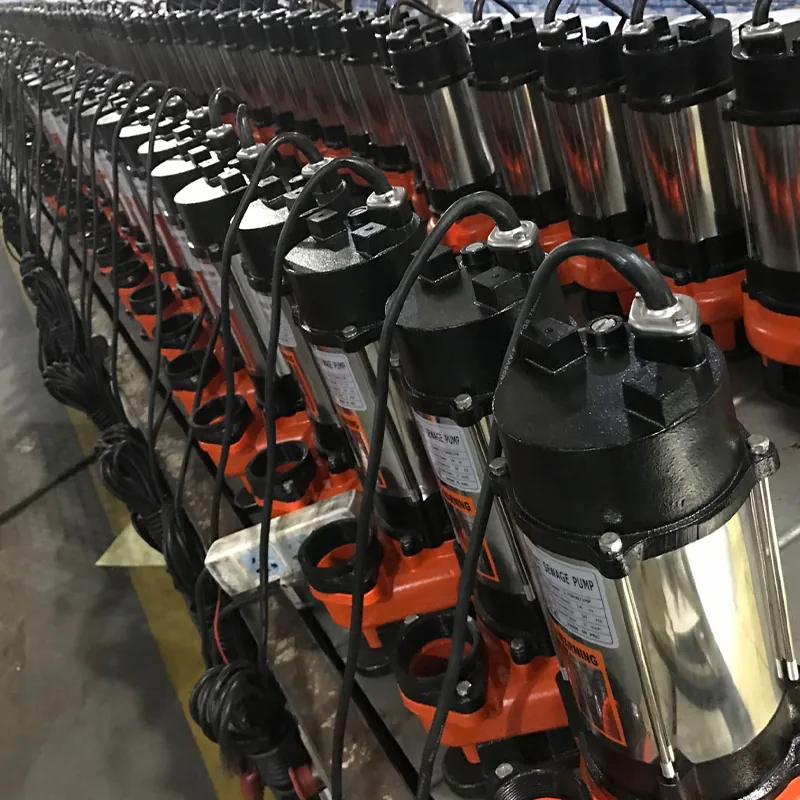
The Corrosion-Resistant Submersible Pump is a robust and durable solution engineered for demanding...
See Details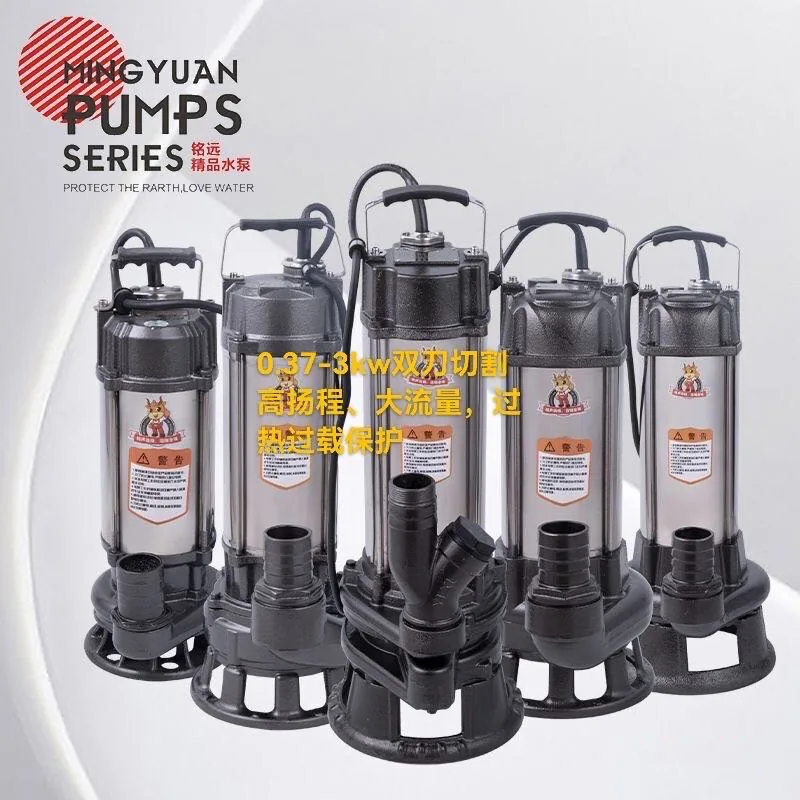
The Double Blade Cutting High Lift Overheat Protection Submersible Pump is an advanced solution...
See Details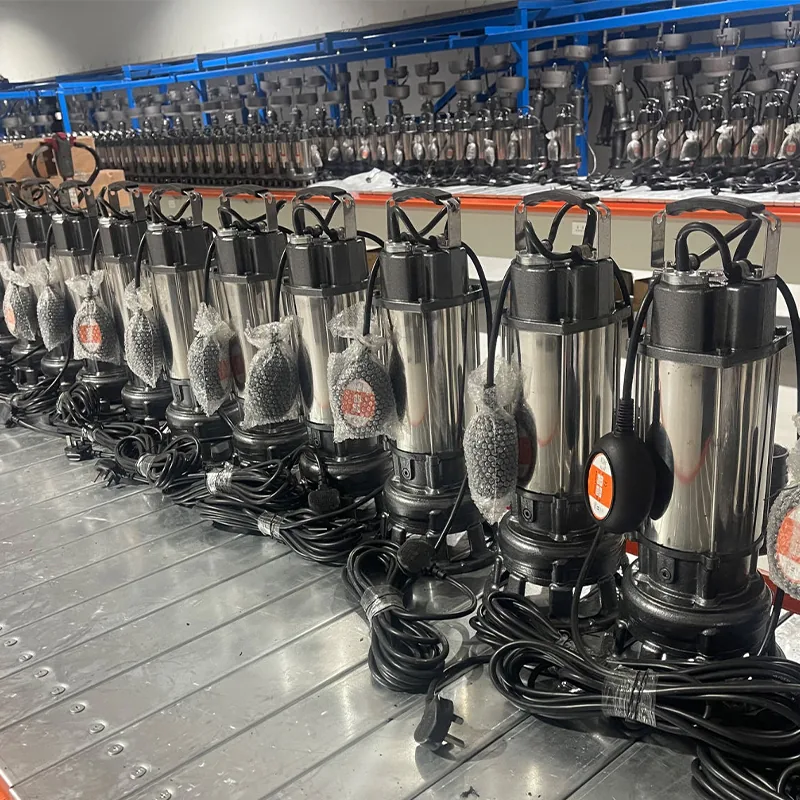
The Efficient High-Pressure Submersible Pump is a good solution engineered to meet the demanding...
See Details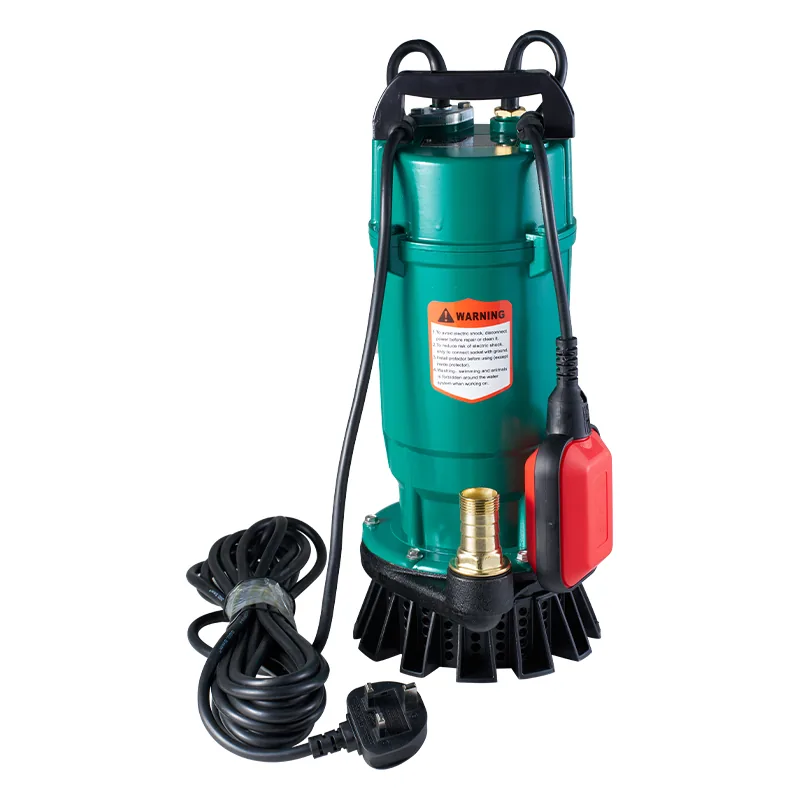
The Efficient Powerful Submersible Pump is a versatile and robust piece of equipment designed to...
See Details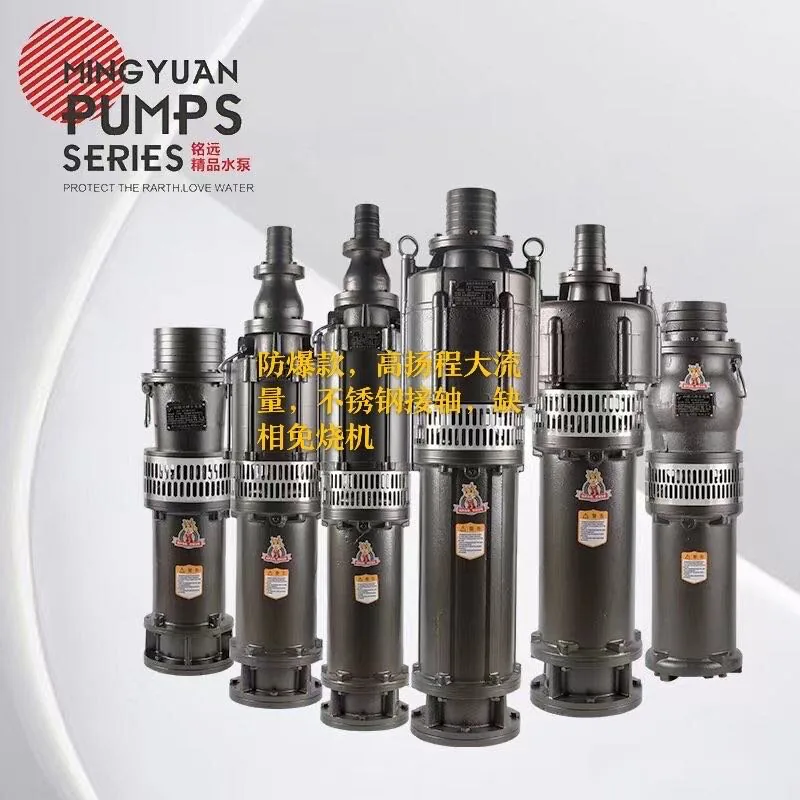
The Explosion-Proof Large Flow Phase-Loss Protection Submersible Pump is a robust and reliable...
See Details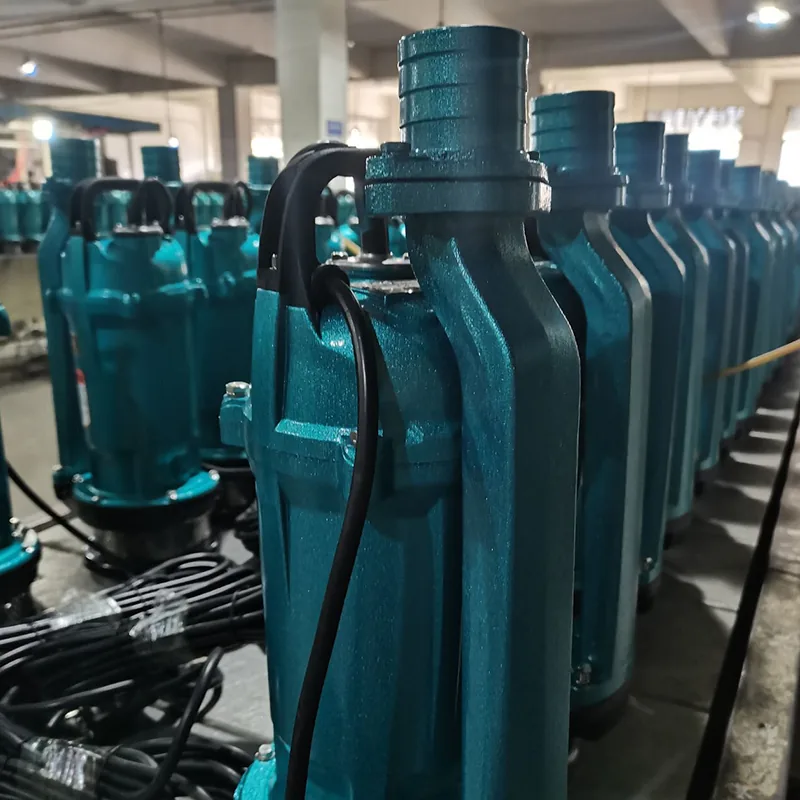
The Heavy-Duty Versatile Submersible Pump is engineered to meet the demanding needs of rural...
See Details