 English
 Español
 العربية
Corrosion-Resistant Submersible Pump for for Heavy-Duty Applications
The Corrosion-Resistant Submersible Pump is a robust and durable solution engineered for demanding...
See Details


Submersible pumps are widely used in industrial, agricultural, and municipal applications to move water or other liquids efficiently. The High Efficiency Submersible Pump stands out for its ability to deliver reliable performance while reducing energy consumption. Understanding its design, applications, and maintenance practices can help users select the suitable pump for their needs.
A High Efficiency Submersible Pump is designed to operate fully submerged in water or other fluids. Its key components include a motor, impeller, and pump casing, all sealed to prevent water ingress. The motor is typically positioned below or within the pump to ensure direct cooling by the surrounding liquid, which improves efficiency and extends lifespan.
Materials used in construction, such as stainless steel, cast iron, or high-quality polymers, are chosen to resist corrosion and wear. Manufacturers of High Efficiency Submersible Pumps focus on optimizing the hydraulic design to reduce energy losses while maintaining consistent flow rates.
The primary advantage of a High Efficiency Submersible Pump lies in its reduced energy consumption compared to traditional pumps. Improved impeller design, precise tolerances, and optimized motor performance contribute to lower operating costs and higher overall efficiency.
Additionally, submersible pumps reduce the risk of cavitation and noise since they operate underwater. This makes them suitable for sensitive environments where vibration and sound need to be minimized. Regular use of high efficiency pumps can lead to significant cost savings over time, especially in large-scale industrial or agricultural operations.
High Efficiency Submersible Pumps are widely used for water supply, wastewater treatment, irrigation, and drainage. In industrial settings, they are employed for cooling systems, chemical processing, or pumping liquids with suspended solids. In agriculture, these pumps help deliver water to crops efficiently and reliably.
Municipal systems often use submersible pumps for sewage handling or flood control due to their ability to operate continuously under submerged conditions. Choosing a pump that matches flow and head requirements ensures stable performance across different applications.
Maintenance of a High Efficiency Submersible Pump is relatively straightforward but essential for long-term operation. Regular inspection of seals, bearings, and the motor ensures that potential issues are addressed before they cause failure. Cleaning the pump casing and impeller prevents blockages and maintains efficiency.
Proper installation, such as ensuring adequate submersion and stable positioning, also contributes to consistent performance. Following manufacturer guidelines for operating pressure and temperature further extends the pump's lifespan.
Choosing a reputable supplier of High Efficiency Submersible Pumps ensures product quality, technical support, and availability of spare parts. Experienced suppliers can recommend suitable models for specific applications, taking into account flow rates, liquid properties, and environmental conditions.
Working with a trusted supplier reduces downtime and ensures that pumps perform reliably under various operating conditions.
A High Efficiency Submersible Pump is a valuable investment for industrial, agricultural, and municipal operations. Its submerged design, durable construction, and energy-saving capabilities provide reliable performance while lowering operating costs. By selecting the right pump, maintaining it properly, and sourcing from a dependable supplier, users can ensure long-term efficiency and stable operation. The High Efficiency Submersible Pump offers practical solutions for water management challenges while supporting sustainable and cost-conscious practices.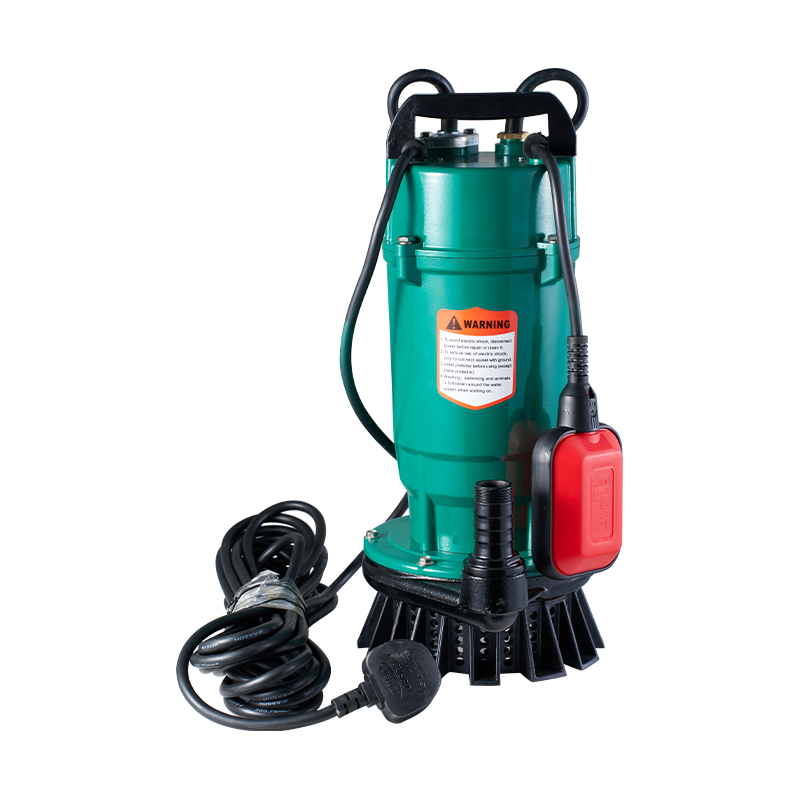
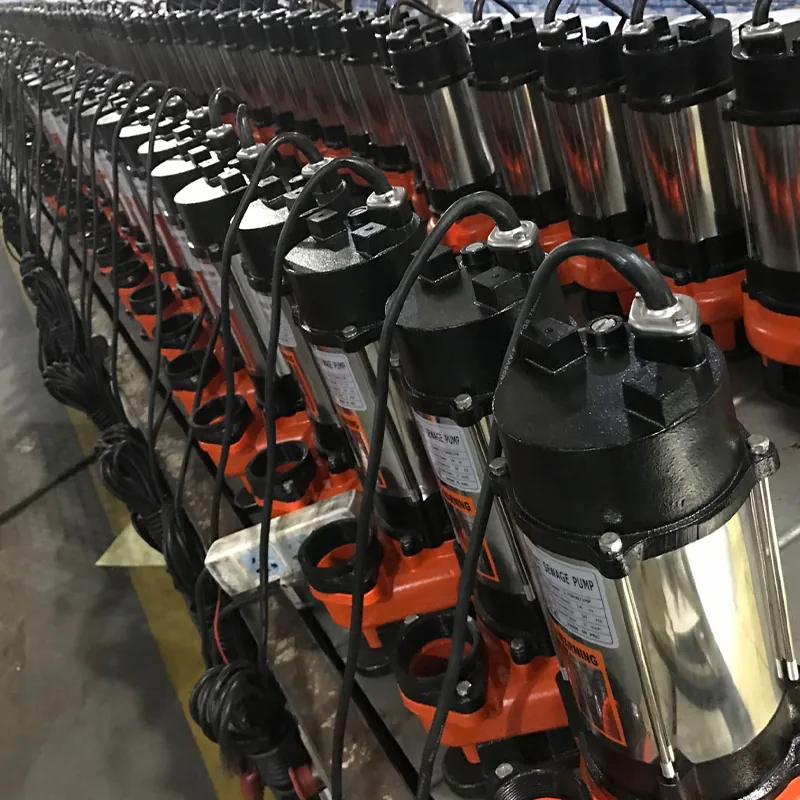
The Corrosion-Resistant Submersible Pump is a robust and durable solution engineered for demanding...
See Details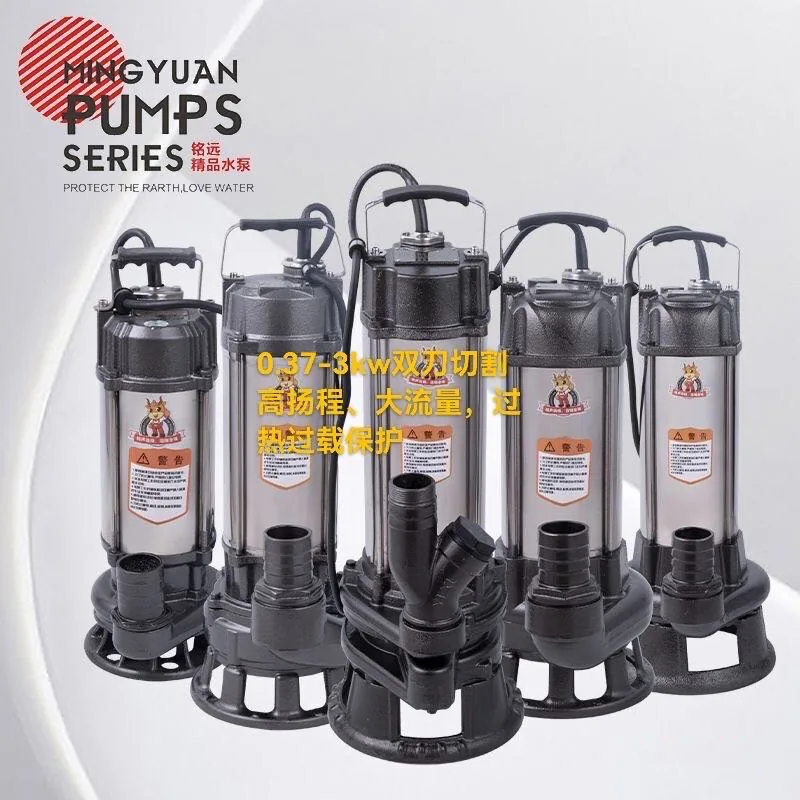
The Double Blade Cutting High Lift Overheat Protection Submersible Pump is an advanced solution...
See Details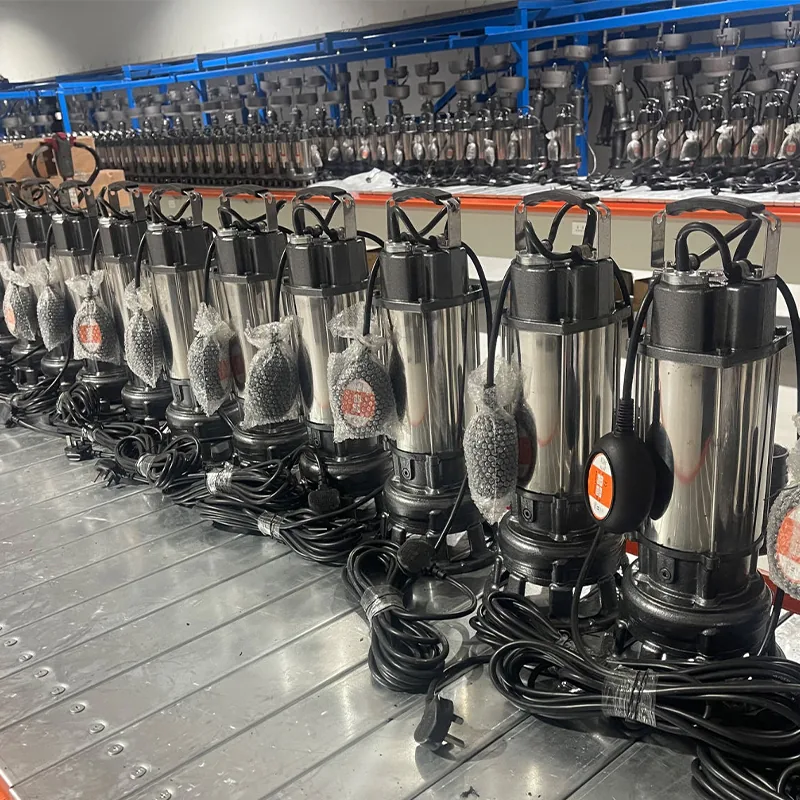
The Efficient High-Pressure Submersible Pump is a good solution engineered to meet the demanding...
See Details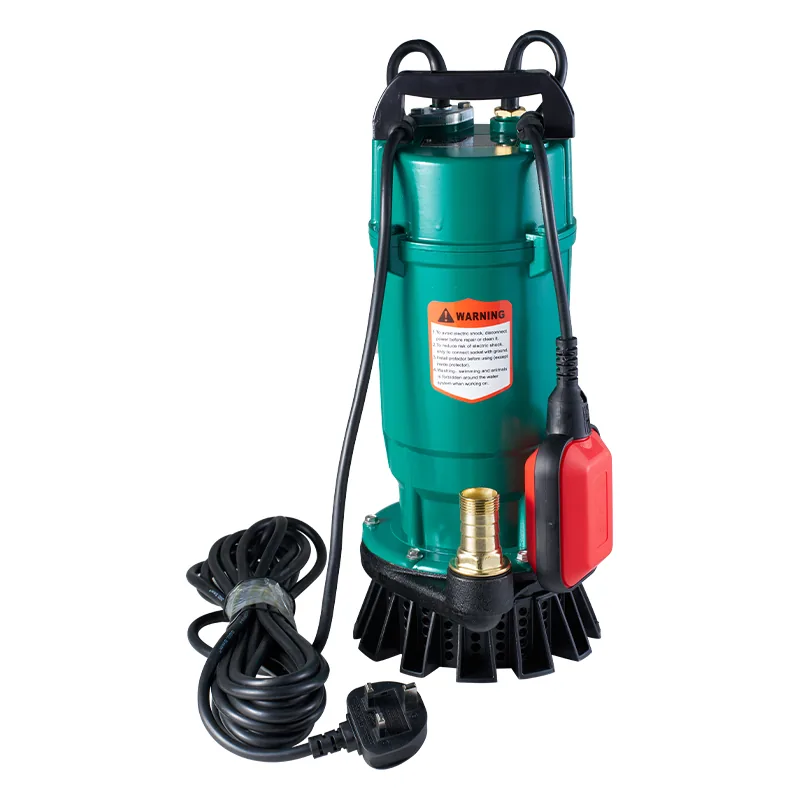
The Efficient Powerful Submersible Pump is a versatile and robust piece of equipment designed to...
See Details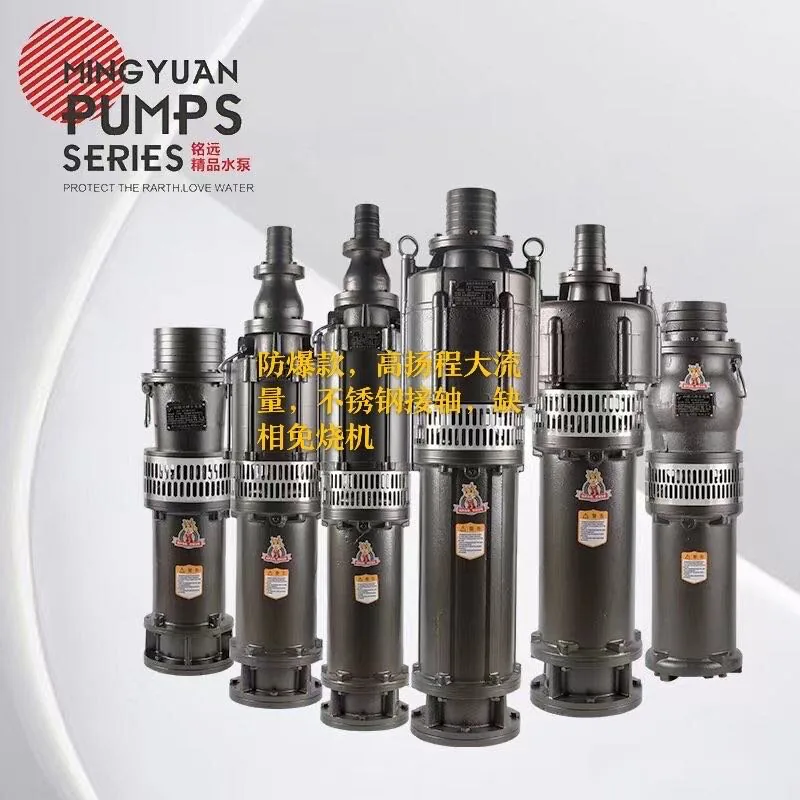
The Explosion-Proof Large Flow Phase-Loss Protection Submersible Pump is a robust and reliable...
See Details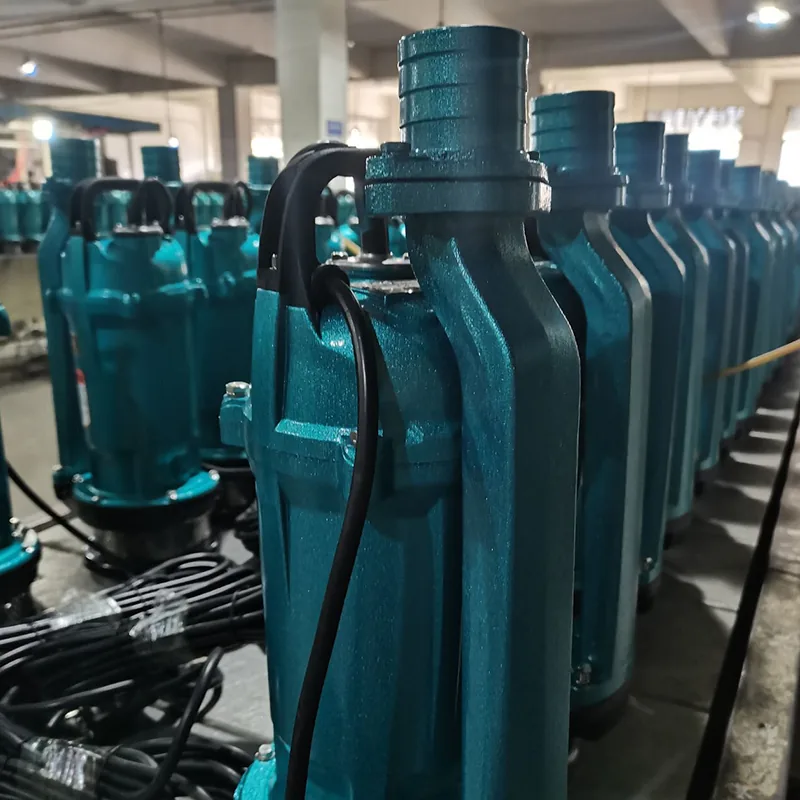
The Heavy-Duty Versatile Submersible Pump is engineered to meet the demanding needs of rural...
See Details