 English
 Español
 العربية
Corrosion-Resistant Submersible Pump for for Heavy-Duty Applications
The Corrosion-Resistant Submersible Pump is a robust and durable solution engineered for demanding...
See Details


Water access defines agriculture and rural living. Irrigation. Livestock. Drinking supply. Remote homes. Without dependable pumping where power lines do not reach, communities struggle. A solar pump manufacturer produces photovoltaic-powered pumping systems that move water using only sunlight. They operate without diesel fuel. They run when the sun shines.
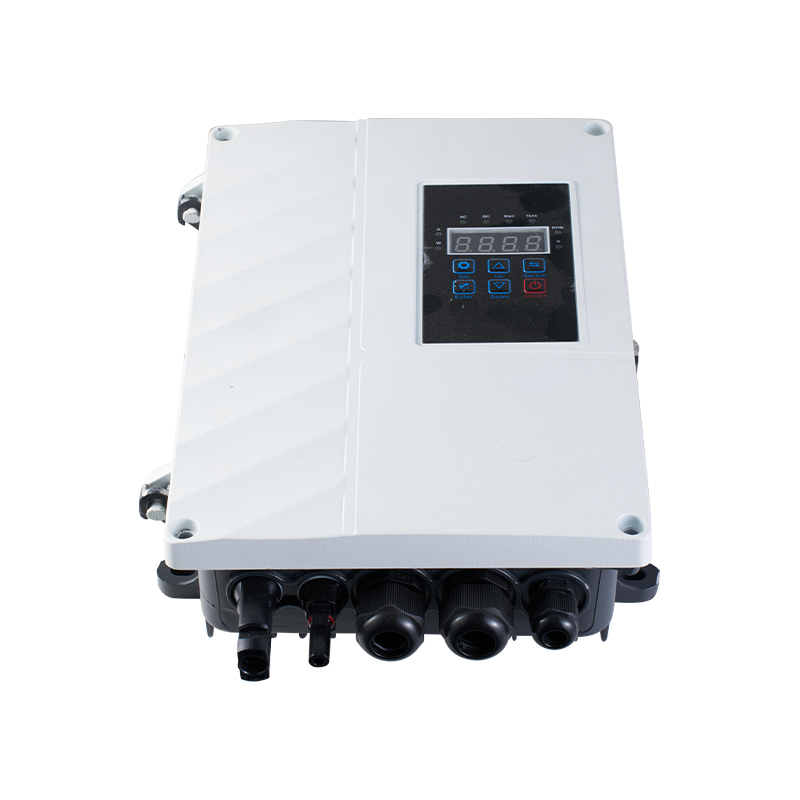
It pairs a solar array with a pump and controller into one integrated solution
A solar pump manufacturer selects the right combination of photovoltaic panels, a pump end, and a motor with an intelligent controller. The panels capture sunlight. The controller manages voltage and frequency, starting the pump when irradiance is sufficient and stopping it when the sun fades or the tank is full. The pump pushes water to the delivery point. No batteries are required for daytime-only operation.
Pump type selection
Centrifugal pumps suit shallow surface water sources. Submersible helical rotor pumps handle deeper boreholes. A solar pump manufacturer matches the pump type to the well depth and the required flow rate. Getting this match right determines whether the system delivers as promised.
Controller intelligence
The controller is the brain. It converts DC from the panels to AC or manages DC directly, depending on motor type. Big power point tracking adjusts to changing sunlight. Dry-run protection shuts the pump down when the water source drops too low. A solar pump manufacturer that invests in controller design protects both the pump and the water source.
Panel sizing and configuration
Undersized panels starve the pump. Oversized panels waste capital. A solar pump manufacturer calculates the panel array wattage based on daily water volume needed, total dynamic head, and local solar irradiation data. The result is a system that hits the duty point without overspending on modules.
The problems show up months after installation, not on day one
A solar pump manufacturer ships equipment that runs unattended in fields and remote lots. Motor burnouts, controller failures, and rapid wear from sand or silt are the common field complaints. Here is what separates durable equipment from short-lived alternatives.
Motor construction and cooling
Submersible motors run hundreds of feet underground. Rewindable water-filled motors last longer and can be repaired locally. Oil-filled sealed units are cheaper initially but often fail earlier and are discarded rather than rebuilt. A solar pump manufacturer that offers rewindable motor options supports long-term serviceability.
Sand and silt tolerance
Real-world water contains abrasive particles. Pump ends with hardened wear surfaces and proper seal designs survive sandy conditions. A solar pump manufacturer that tests its pumps with abrasive media understands field reality better than one that only tests with clean water.
Controller environmental sealing
Temperature bad and humidity kill electronics. A controller rated for outdoor mounting with proper ingress protection survives in the field. Units that require an air-conditioned shelter add cost and complexity. A solar pump manufacturer that builds for exposed installation reduces the total project burden.
The applications stretch across multiple continents and use cases
A solar pump manufacturer supplies systems for drip irrigation on smallholder farms, cattle watering on ranches, village water supply from boreholes, and fish pond aeration. The same solar-to-pump technology applies wherever water and sunlight coincide.
Smallholder irrigation
A farmer with a half-hectare plot needs reliable water for vegetables. A solar pump replaces a diesel pump or manual bucket irrigation. The running cost drops to zero after installation. The payback period is measured in saved fuel and increased yield.
Livestock watering
Cattle need water daily, often in pastures far from utility lines. A solar pump fills a storage tank during the day. Gravity or a trough valve distributes water to animals. The system runs unattended for weeks.
Community water supply
A village borehole with a solar submersible pump fills an elevated tank. Households draw water from standpipes. The system eliminates the ongoing cost of generator fuel and the maintenance burden of a diesel engine.
The specification sheet is one thing. Field performance is another.
A capable solar pump manufacturer provides detailed performance curves showing flow rate versus head at varying solar input. It stocks spare parts accessible to the installer's region. It offers installation training and commissioning support. Here is what to investigate before buying.
Performance data transparency
Ask for pump curves that show output at multiple irradiance levels, not just peak sun. A solar pump manufacturer that publishes this data understands that solar pumping is variable by nature. A single flow figure on a datasheet is not enough.
Spare parts distribution
Pumps wear. Seals, bearings, and impellers need periodic replacement. A solar pump manufacturer that maintains regional parts inventory keeps systems running. Ask where the nearest parts stock is held and how quickly a replacement controller can ship.
Here is what to verify when comparing suppliers:
A solar pump does its work silently in a field, a pasture, or a village, with no fuel deliveries and no power bills. It moves water when the sun shines and rests when it does not. Choose a manufacturer that builds for field conditions, not just for laboratory test reports. Your water supply will be reliable. Your operating costs will stay low. That is the contribution of a solar pump manufacturer.
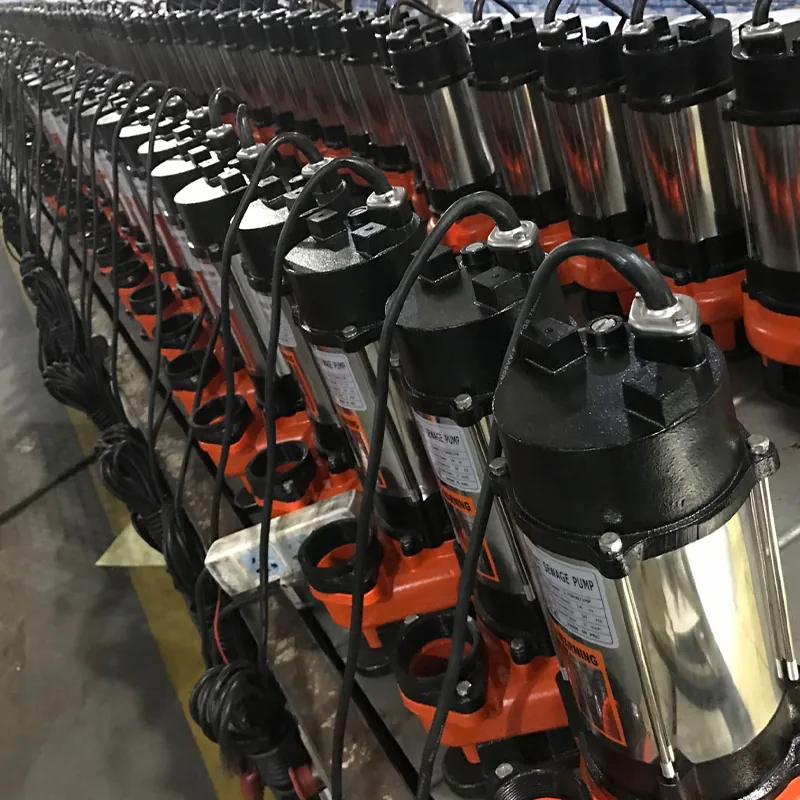
The Corrosion-Resistant Submersible Pump is a robust and durable solution engineered for demanding...
See Details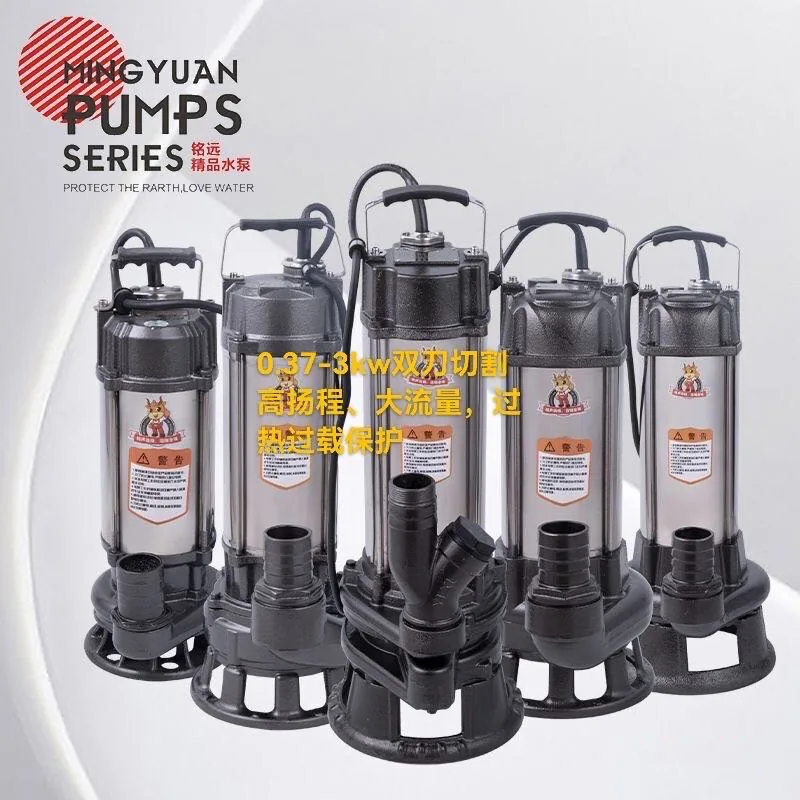
The Double Blade Cutting High Lift Overheat Protection Submersible Pump is an advanced solution...
See Details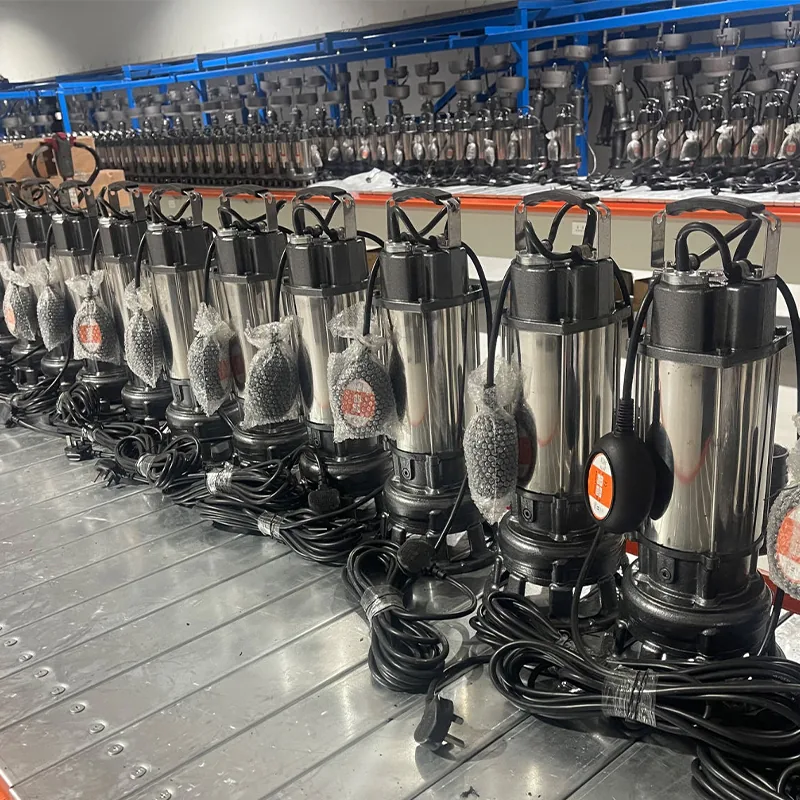
The Efficient High-Pressure Submersible Pump is a good solution engineered to meet the demanding...
See Details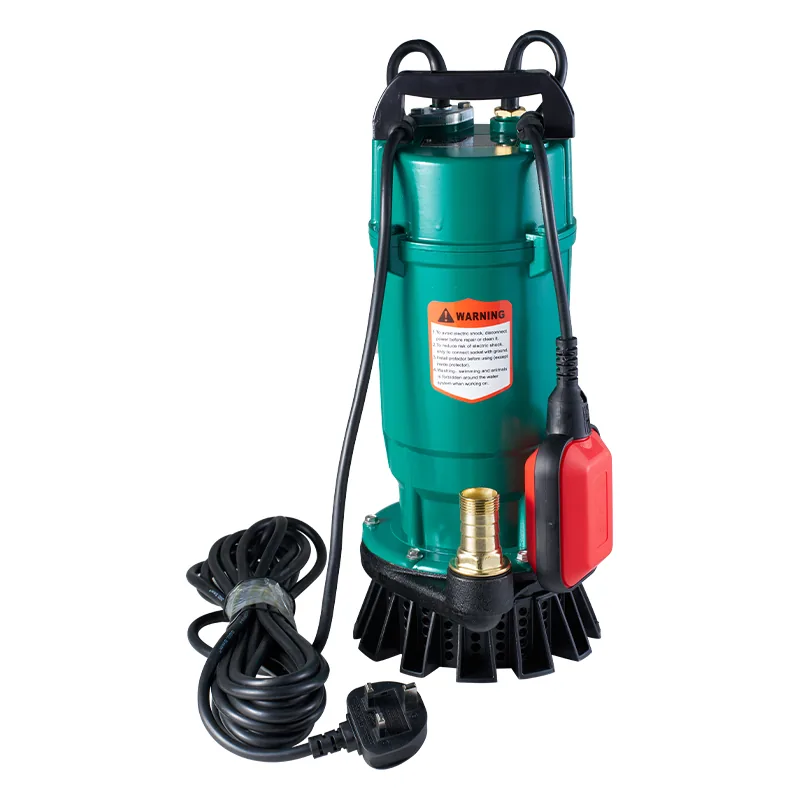
The Efficient Powerful Submersible Pump is a versatile and robust piece of equipment designed to...
See Details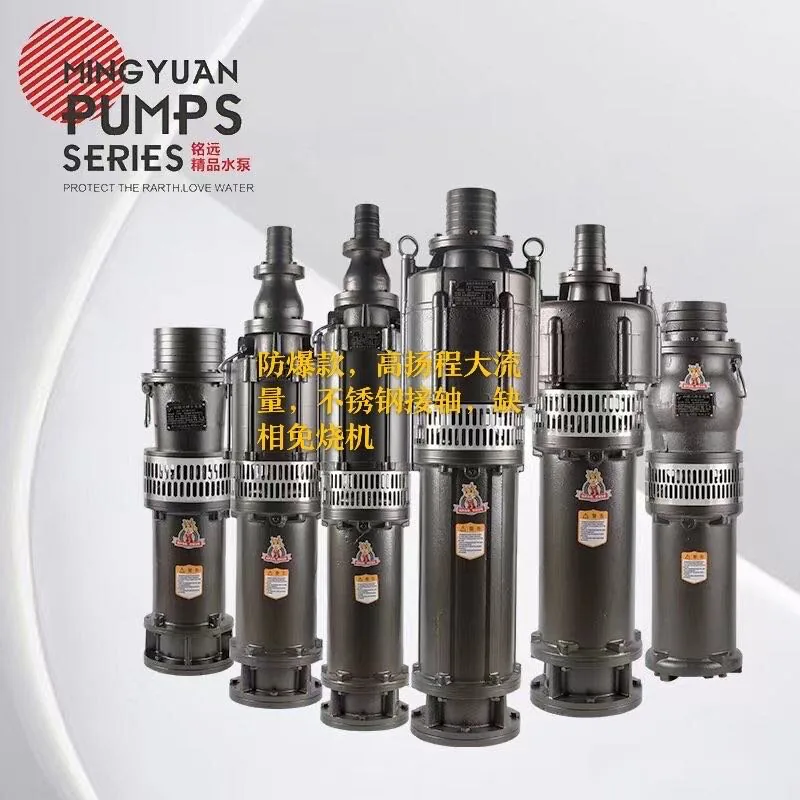
The Explosion-Proof Large Flow Phase-Loss Protection Submersible Pump is a robust and reliable...
See Details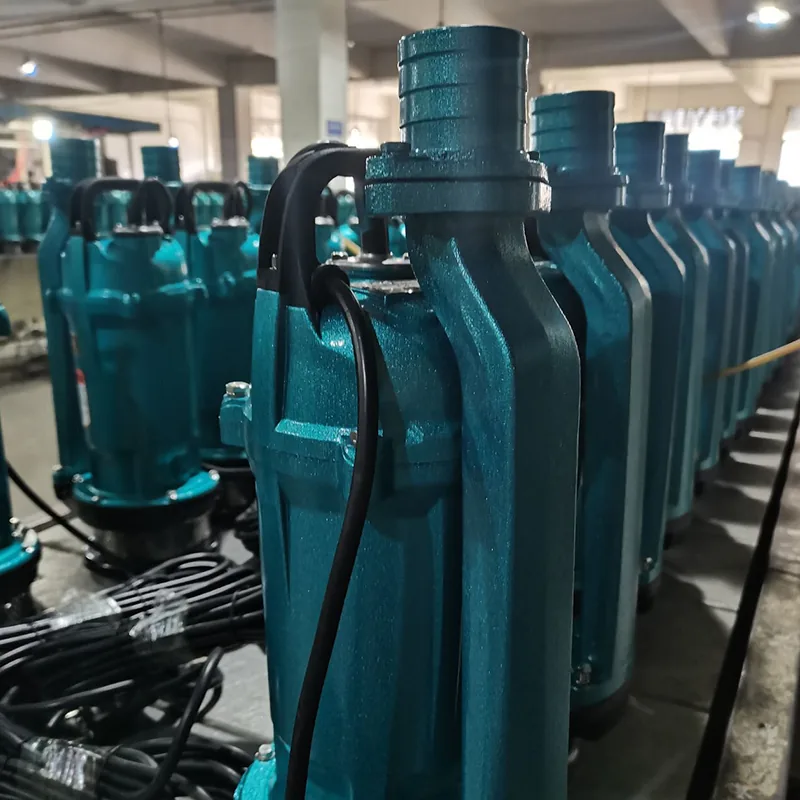
The Heavy-Duty Versatile Submersible Pump is engineered to meet the demanding needs of rural...
See Details