 English
 Español
Stable Industrial-grade Submersible Pump
The Stable Industrial-grade Submersible Pump is engineered to deliver ...



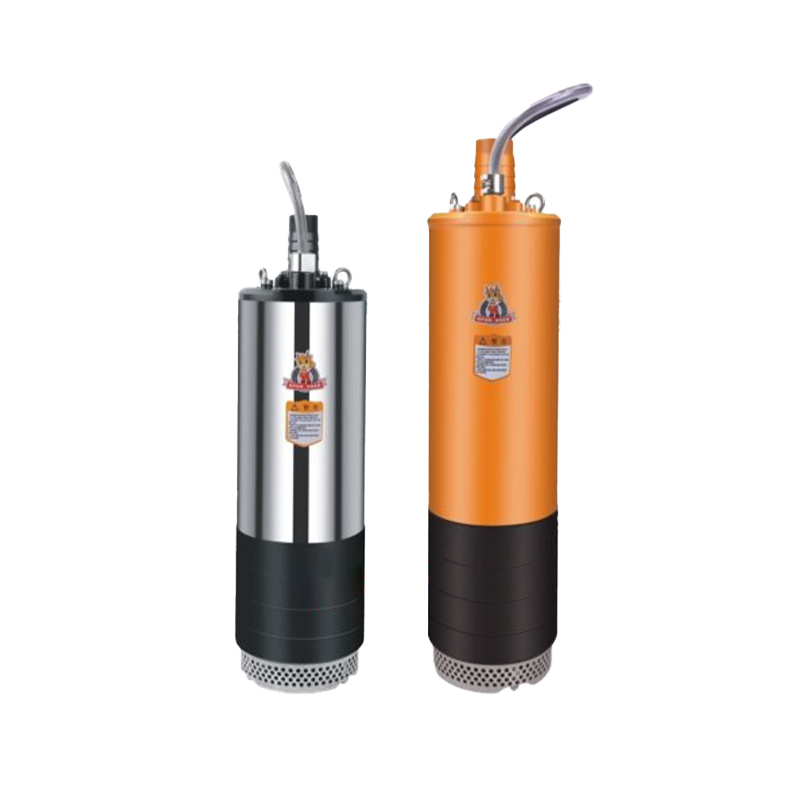
Water management is a critical aspect of agriculture, industry, and municipal infrastructure. A High Efficiency Submersible Pump plays a vital role in moving water effectively while minimizing energy use. Unlike surface pumps, submersible models operate underwater, reducing noise and eliminating the need for priming, which makes them practical for diverse applications.
The combination of hydraulic design, motor efficiency, and durable materials ensures that these pumps deliver consistent performance under challenging conditions. By focusing on efficiency, these pumps help facilities reduce operational costs while maintaining reliable flow.
The core of a High Efficiency Submersible Pump lies in its impeller and volute design. Properly engineered impellers reduce turbulence and energy loss, allowing water to move smoothly through the system. This careful attention to hydraulics translates into reduced power consumption without sacrificing flow rate or pressure.
Variable speed motors can further enhance efficiency. By adjusting motor speed to match demand, the pump avoids running at unnecessary energy levels. In applications such as irrigation, this approach not only saves electricity but also reduces wear on the pump components.
Submersible pumps must withstand prolonged exposure to water and debris. High Efficiency Submersible Pump manufacturers select corrosion-resistant materials for the casing, impellers, and motor components. Stainless steel, reinforced polymers, and treated alloys help extend service life.
Sealing systems are equally important to prevent water ingress into the motor. Double mechanical seals or oil-lubricated barriers protect internal components and reduce maintenance needs. These features ensure that the pump operates reliably in harsh or variable water conditions.
The versatility of a High Efficiency Submersible Pump makes it suitable for many sectors. In agriculture, it provides consistent irrigation flow for crops while minimizing energy costs. In industrial settings, it handles cooling water, wastewater management, and process fluid movement. Municipal systems also rely on submersible pumps for water supply and drainage.
Flexibility in installation depth and capacity allows these pumps to adapt to small-scale farms or large industrial facilities. Users benefit from predictable performance without complex adjustments.
Routine maintenance is essential to maintain efficiency. Pump operators monitor vibration, temperature, and flow to detect early signs of wear. Many manufacturers offer modular designs, enabling components to be replaced without removing the entire pump from the well or tank.
A High Efficiency Submersible Pump designed with serviceability in mind reduces downtime and helps facilities maintain continuous operations. Easy inspection and replacement of impellers, seals, or bearings can prevent costly interruptions.
Energy efficiency is not only a cost concern but also an environmental one. By using electricity more effectively, a High Efficiency Submersible Pump reduces carbon footprint. Additionally, precise flow control helps conserve water resources in irrigation or municipal applications.
Some models incorporate monitoring systems to adjust operation according to real-time demand. This integration of technology supports sustainable water use while keeping operational efficiency high.
A High Efficiency Submersible Pump combines intelligent hydraulic design, durable construction, and adaptable operation to provide reliable water movement across multiple sectors. By reducing energy use, extending service life, and supporting environmental goals, these pumps demonstrate how thoughtful engineering below the surface can have a visible impact above ground.
Facilities that invest in efficient submersible pumps gain both operational savings and a versatile tool capable of meeting diverse water management challenges.
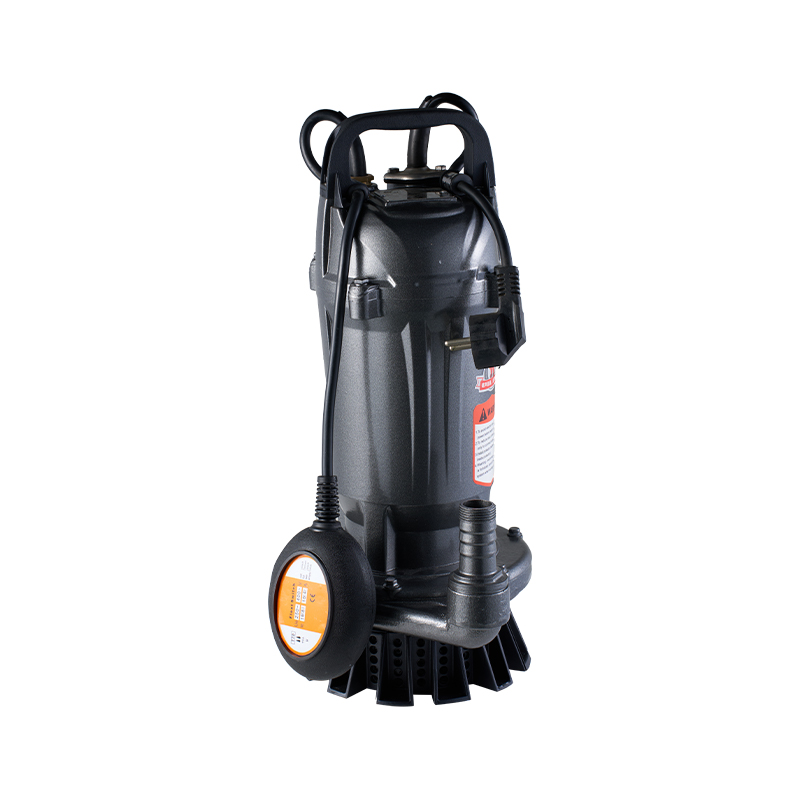
The Stable Industrial-grade Submersible Pump is engineered to deliver ...
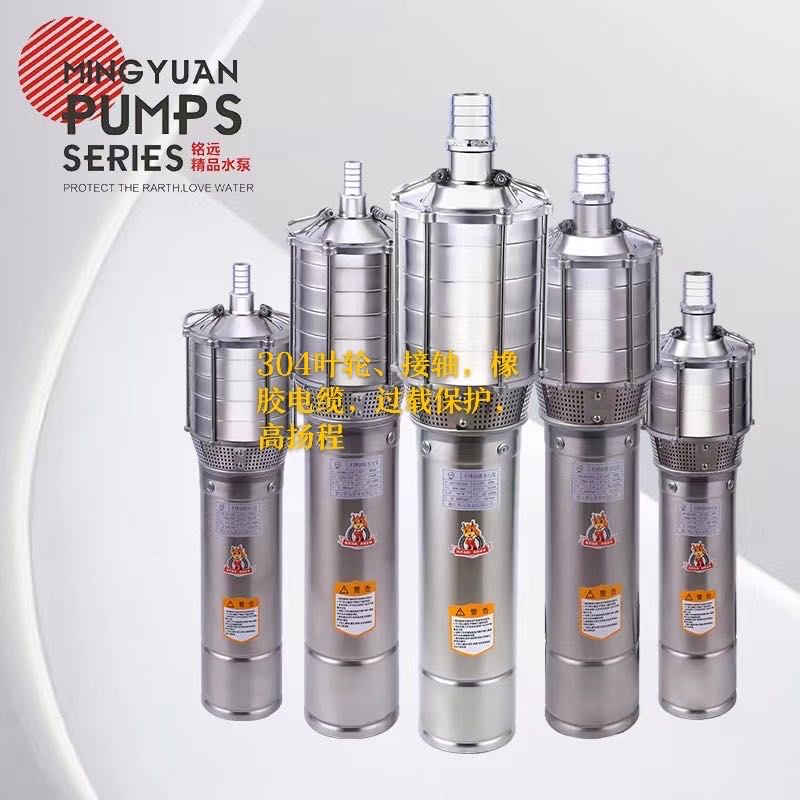
The High-Head Multi-Stage Submersible Pump is an advanced solution eng...
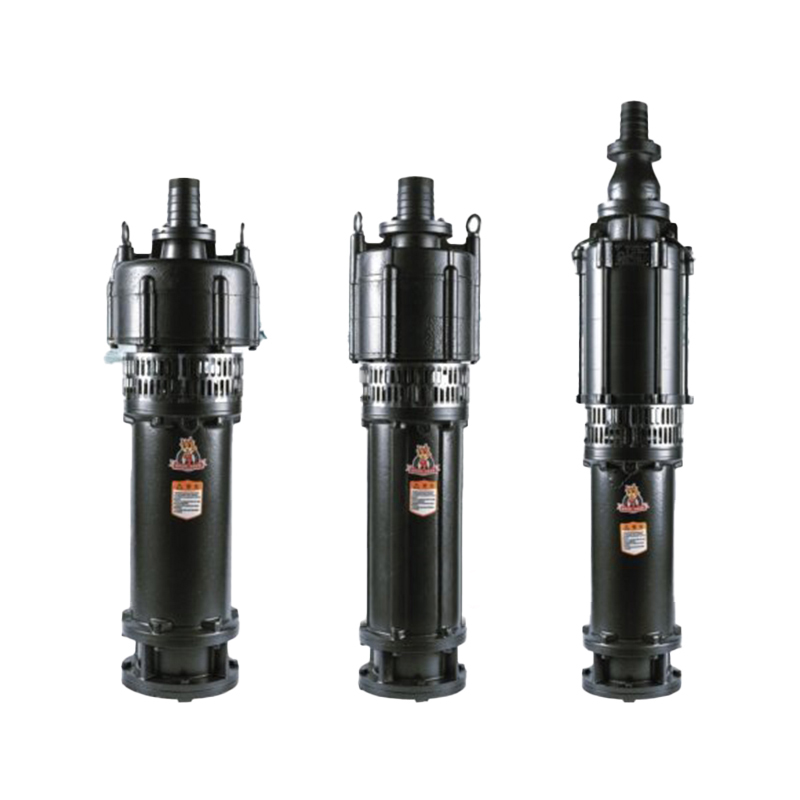
The Oil-Immersed Submersible Pump is a robust and versatile solution e...
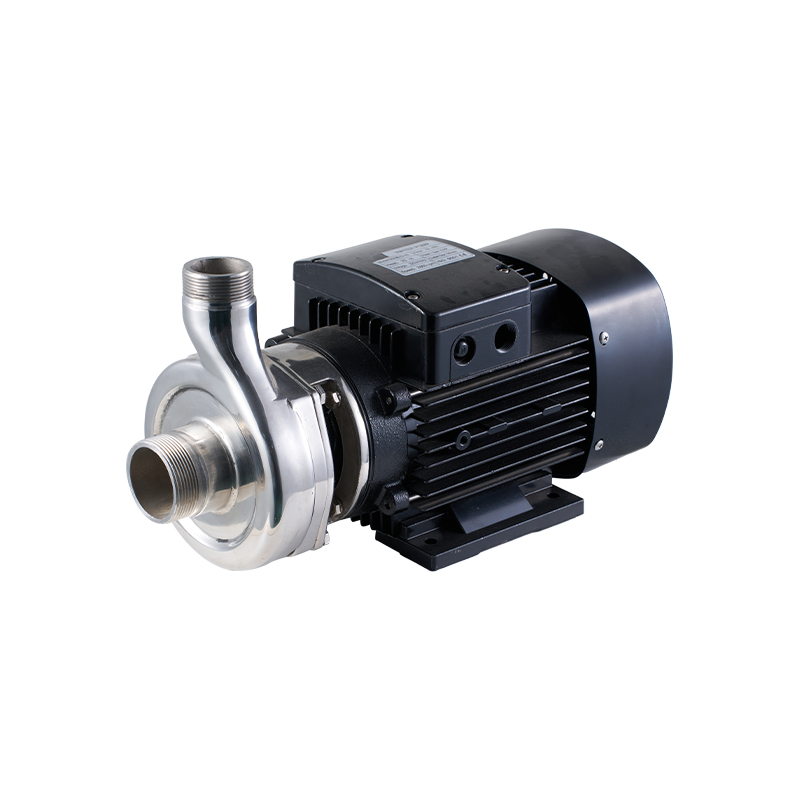
Our well-sealed energy-saving Solar Centrifugal Pump is a good product...
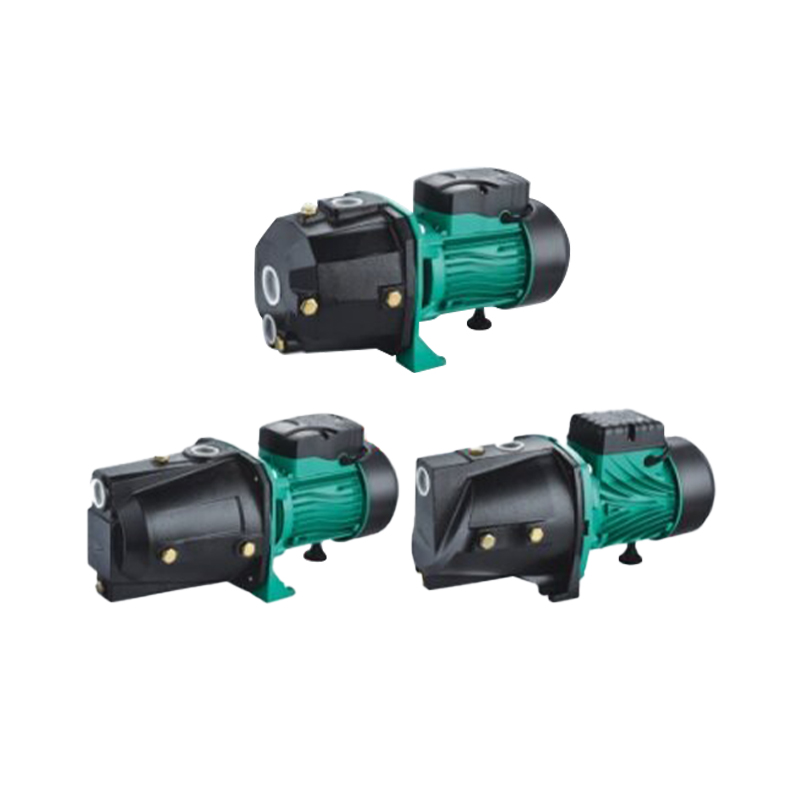
Transform your outdoor watering tasks with the effortless efficiency o...

Discover convenience and reliability with our good Deep Well Pump, des...
Copyright © Zhejiang MingYuan Pump Co., Ltd. All Rights Reserved

Industrial Water Pump Manufacturer